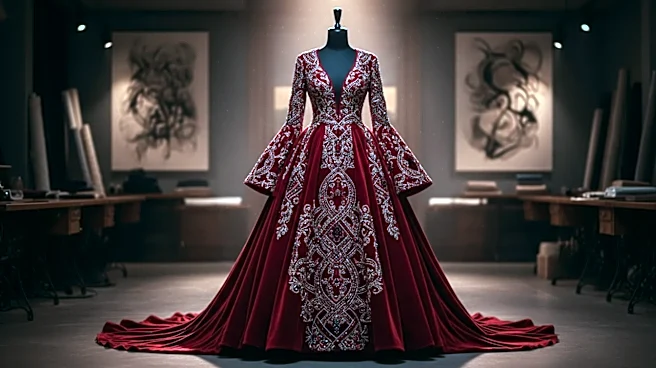









The Primal Pull of a Primary Color
Before it was ever a fashion statement, red was a primal signal. It's the color of blood, fire, and life itself, hardwired into our brains to signify urgency and importance. Studies have shown that exposure to red can physically increase heart rate and grab
attention more effectively than any other hue on the spectrum. This physiological response is universal, making red a potent tool for anyone looking to make an immediate and unforgettable impression. In fashion, this translates to pure, unadulterated presence. While other colors might soothe or recede, red steps forward and demands to be seen.
The Legacy of Valentino Red
No discussion of red in couture is complete without mentioning Valentino Garavani. The designer became so synonymous with a specific shade of poppy-meets-crimson that it's simply known as “Valentino Red.” His love affair with the color began as a student when he attended an opera in Barcelona and was captivated by a woman in a red velvet gown who, to him, looked utterly unique and splendid. From his very first collection in 1959, which featured a red tulle dress named "Fiesta," Valentino made it his signature to include at least one red dress in every show. For him, red was the ultimate remedy for sadness, a color that represented life, passion, and love, making any woman who wore it a “heroine.” His final couture show in 2008 was a breathtaking tribute, with every single model walking the runway in a different gown of his signature red.
A Spectrum of Symbolism
Beyond its primal appeal, the meaning of a red gown is incredibly fluid, shifting with cultural context and intent. In many Eastern cultures, such as in China and India, red is a color of joy, luck, prosperity, and purity, often worn for weddings and celebrations. In the West, its symbolism is famously dualistic. It’s the color of romance and passionate love, yet it also signifies danger, aggression, and warning. This tension is what makes it so compelling. A red dress can be a symbol of seduction, as it has been from Marilyn Monroe's sequined gown in "Gentlemen Prefer Blondes" to Julia Roberts' opera dress in "Pretty Woman." At the same time, it can be a uniform of power and authority, a way for women in business or politics to convey confidence and determination.
Red as Power and Rebellion
Throughout history, access to vibrant red dyes was a mark of wealth and status, reserved for royalty and clergy. The crimson robes of cardinals or the portraits of Queen Elizabeth I dripping in red underscored their formidable authority. As the color became more accessible, it was adopted by revolutionaries as a symbol of defiance. In fashion, this rebellious streak lives on. While a classic red silk gown might speak of timeless elegance, a deconstructed red piece from a designer like Alexander McQueen can feel challenging and subversive. Choosing to wear red can be an act of independence, a way to signal strength and a refusal to blend in. It's a statement of feminine power, seen on everyone from Princess Diana, who frequently chose the color for public appearances, to modern celebrities on the red carpet.
The Calculated Red Carpet Choice
When a celebrity steps onto the red carpet in a red gown, it is a masterclass in calculated risk. In a setting literally defined by the color, wearing red could theoretically cause a person to blend in. Instead, it does the opposite. By matching the carpet, the wearer claims the space, becoming an extension of the event's glamour and importance. It’s a choice that communicates supreme confidence. Iconic moments, like Nicole Kidman in a striking red Balenciaga gown at the 2007 Oscars, are etched into fashion history because they harness all of red's complex power: the elegance, the danger, the passion, and the undeniable demand for attention.