

The Ultimate Content Factory
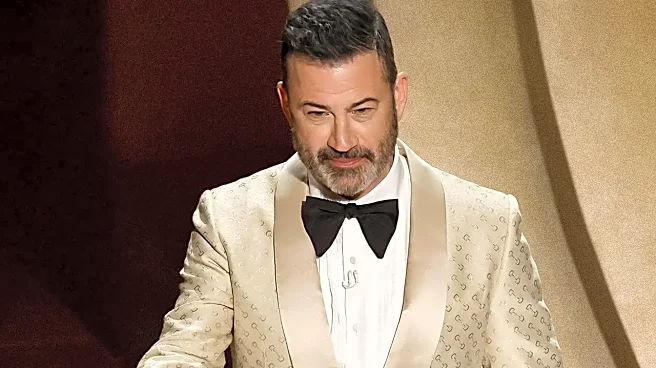
Think of the Emmy Awards not just as a ceremony, but as a three-hour, high-budget content-creation event. It’s a room packed with the world's most expressive and recognizable faces, all under the unblinking eye of dozens of cameras. Hosted this year by
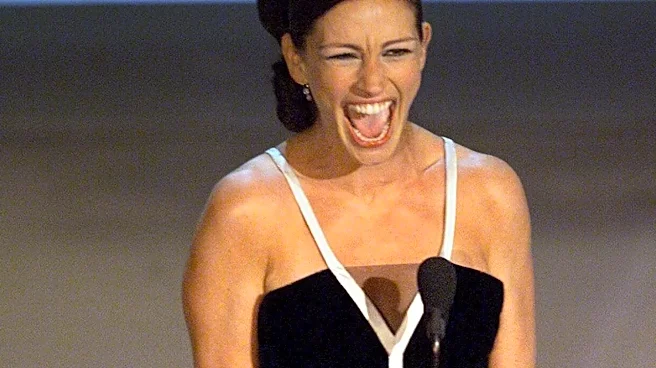
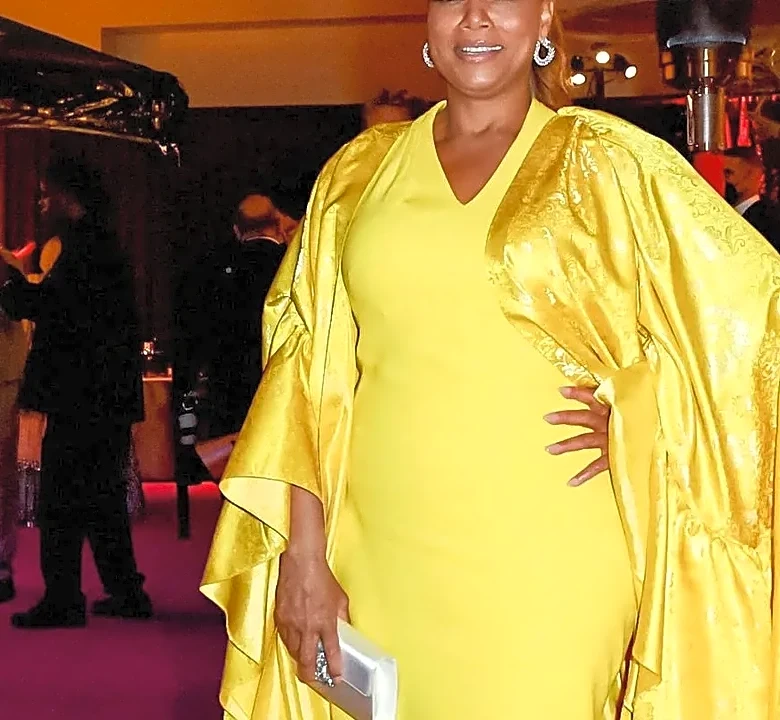
Mariska Hargitay, the night is designed for memorable moments, from emotional acceptance speeches to perfectly landed jokes. Every nominee from hit shows like "The Pitt," "Hacks," and "Widow's Bay" is a potential GIF-in-waiting. The magic of an awards show is its unpredictability. A planned bit can fall flat, but an unscripted, candid reaction from someone in the audience can become a cultural touchstone for years. These moments are raw material for the internet, ready to be clipped, looped, and shared into infinity.
An Emotion in Two Seconds Flat
What makes a great reaction GIF? Universality. A two-second loop of an actor wiping away a tear or laughing uncontrollably requires no context to be understood. It’s pure, distilled emotion. Past Emmy ceremonies have given us a library of these moments. Think of Quinta Brunson's tearful joy, Jean Smart’s shocked expression, or Kieran Culkin’s signature smirk. These weren't just reactions to winning an award; they became shorthand for our own feelings in group chats and on social media. The science behind it is simple: GIFs are an immediate and effective way to convey complex feelings online. They outsource our reactions to famous faces, adding a layer of pop culture humor and relatability that plain text can't match.
Life Beyond the Ceremony
Within hours of the broadcast, the best reaction GIFs are stripped of their original meaning. A shot of Jeremy Allen White looking confused is no longer about a specific Emmy category; it’s about your confusion over a friend's cryptic text message. The GIF of Jennifer Coolidge dancing through the play-off music during her acceptance speech isn't about her specific win; it’s a symbol of chaotic triumph against the odds. This decontextualization is key to their longevity. While the memory of who won Outstanding Limited Series fades, the GIF of a celebrity's perfect eye-roll lives on, used in millions of conversations that have nothing to do with television. The GIF becomes a versatile tool in our digital vocabulary, its Emmy origins merely a piece of trivia.
The New Cultural Immortality
Winning an Emmy is a career-defining achievement. An actor's performance is validated, a show's legacy is cemented, and a trophy goes on the mantle. But becoming a go-to reaction GIF offers a different, more pervasive kind of immortality. An Emmy statue is seen by a few; a viral GIF is seen and used by millions, every single day. It embeds a celebrity’s likeness into the very fabric of how we communicate. As we watch the 78th Emmys, it’s worth paying attention not just to the winners, but to the moments that feel destined for digital life. The heartfelt reaction of Michael J. Fox receiving the Bob Hope Humanitarian Award, for instance, could become a symbol of grace and perseverance far beyond that single night. The award honors a moment in time, but the GIF gives that moment an endless afterlife.