



The Case Against Coverage
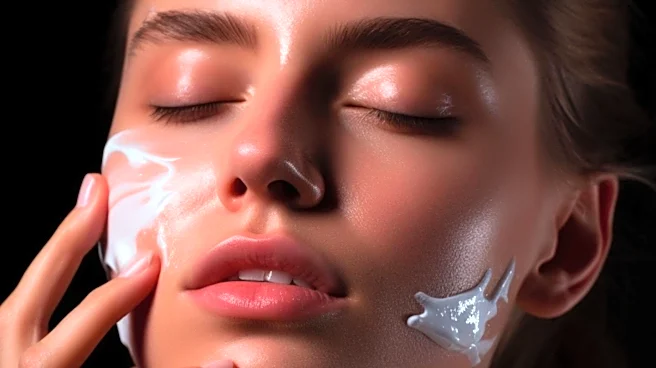
The argument to go bare-faced is rooted in caution. Many dermatologists and makeup artists advise against applying makeup directly onto active acne, especially if the pimple is open or weeping. The primary concern is that makeup can clog pores, trap bacteria,
and interfere with the skin's natural healing process. Heavy, oil-based formulas are often the main culprits, as they can create an occlusive barrier that worsens inflammation and potentially prolongs the life of the breakout. Some products can even trigger a specific type of acne called acne cosmetica, which presents as small, rash-like bumps caused by a reaction to makeup ingredients. The logic is simple: give your skin the cleanest possible environment to repair itself without interference.
The Argument for Covering Up
On the other side of the debate is the undeniable psychological impact of acne. For many, walking out the door with a visible blemish can be a major blow to their confidence. Proponents of wearing makeup during a breakout argue that the mental and emotional benefits of feeling confident and in control can be significant. The act of applying makeup can be a therapeutic ritual, providing a sense of normalcy and empowerment. This school of thought doesn’t dismiss the risks, but rather emphasizes that feeling good about your appearance is also a valid part of overall wellness. As one study noted, being instructed on how to properly use cosmetics can actually improve quality of life for acne patients.
The Real 'Disagreement' Is Nuance
Here's the secret: the disagreement isn't really about if you should wear makeup, but what makeup you use and how you use it. This is where most experts find common ground. The American Academy of Dermatology states that it's okay for acne patients to wear makeup, provided they choose the right products and maintain a good skincare routine. The key is to look for products labeled as "non-comedogenic" or "non-acnegenic," which are specifically formulated not to clog pores. Mineral-based powders are often recommended because their particles are less likely to block pores, and ingredients like silica can help absorb excess oil. Many modern foundations even contain acne-fighting ingredients like salicylic acid, turning makeup into a part of the treatment itself.
Technique and Hygiene Are Everything
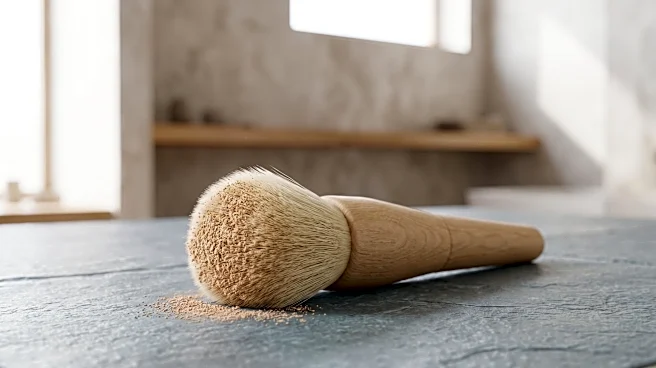
Both sides agree that application technique and hygiene are non-negotiable. First, never apply makeup to a freshly popped or open pimple without creating a barrier, such as an acne spot treatment or a hydrocolloid patch. Second, always use clean tools. Dirty brushes and sponges are breeding grounds for bacteria that can make breakouts worse. When applying concealer, use a small, precise brush to dot product directly onto the blemish and then gently blend the edges with a clean finger or sponge to avoid a cakey look. Finally, and most importantly, makeup must be removed thoroughly at the end of the day. A double-cleansing routine—using an oil-based remover first, followed by a gentle cleanser—ensures that all traces of product, dirt, and oil are washed away, allowing your skin to breathe and heal overnight.