



A Premise That Hits Too Close to Home
For the uninitiated, 'The Oath' is set in a near-future America where the government has asked, but not required, citizens to sign a 'Patriot’s Oath' of loyalty to the President by Black Friday. The story centers on Chris (Barinholtz), a liberal news
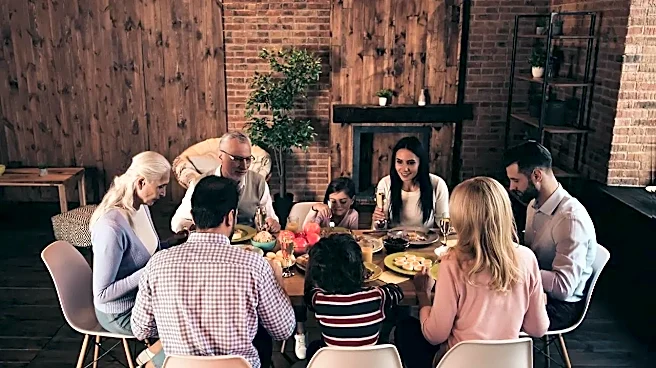
junkie, and his wife Kai (Tiffany Haddish), as they host Thanksgiving. Chris is adamantly against the oath, while his visiting family members, including his conservative brother Pat (Jon Barinholtz) and his girlfriend Abbie (Meredith Hagner), have either signed it or see no problem with it. What starts as a tense family dinner, bound by a 'no politics' rule, spirals into chaos, betrayal, and eventually, a violent standoff with government agents. Released in 2018, the film was a direct response to the escalating political climate, with Barinholtz himself stating the idea came from his own tense post-2016 election Thanksgiving.
A Metaphor for Modern Loyalty Tests
The film’s central conceit—the loyalty oath—is a brilliant, if unsubtle, metaphor for the constant purity tests that define modern political discourse. Long before the film's fictional deadline, Chris’s family and friends have already chosen their sides. The oath itself is just a formality, a way to codify the division that already exists. In the real world, these tests aren't signed documents but questions that can feel just as loaded: Who did you vote for? What news do you watch? Do you think the latest controversy is a big deal or a nothingburger? The film taps into the feeling that every conversation is a potential trap and every opinion is a declaration of tribal allegiance. Chris’s obsession with the news and his inability to let a single comment slide is a painfully recognizable portrait of someone consumed by the political moment, making him 'insufferable' even to those who agree with him.
The Terrifyingly Real Escalation
Perhaps the most prescient aspect of 'The Oath' is how it charts the escalation from passive aggression to all-out war. The holiday begins with the usual simmering resentments and snide remarks familiar to anyone who has sat through a politically mixed family meal. But as the day wears on, the facade of civility cracks. The arguments move from veiled jabs to shouting matches, and finally, to physical violence when two federal agents from the 'Citizens Protection Unit' arrive to question Chris's refusal to sign. This progression mirrors a societal anxiety. Studies have shown that since 2016, Americans have been cutting Thanksgiving dinners short to avoid relatives from the opposing party, losing millions of hours of cross-partisan conversation. People increasingly avoid political discussions because they assume the other side isn't willing to listen, creating a self-fulfilling prophecy of division. 'The Oath' simply takes that dynamic and pushes it to its most violent, darkly comedic conclusion.
Why It Feels More Relevant Now
When 'The Oath' was released, it felt like a timely satire. Now, it feels more like a documentary. The film's 'what if' scenario has become uncomfortably close to our 'what now?' reality. The political divisions that inspired the film have only deepened. The feeling that the stakes are higher than ever—for democracy, for social cohesion, for the planet—makes every disagreement feel more significant. The film’s satirical edge remains, but the horror aspect feels more pronounced. The arrival of the agents, led by a chillingly unhinged Billy Magnussen, taps into a growing fear of governmental overreach and the erosion of civil liberties. In 2018, the idea of federal agents showing up at your door over your political leanings was dystopian satire; in 2026, it lands with a much heavier thud. The film continues to resonate because the cultural anxieties it diagnosed have metastasized.