







The Allure of the 'Recycled' Tag
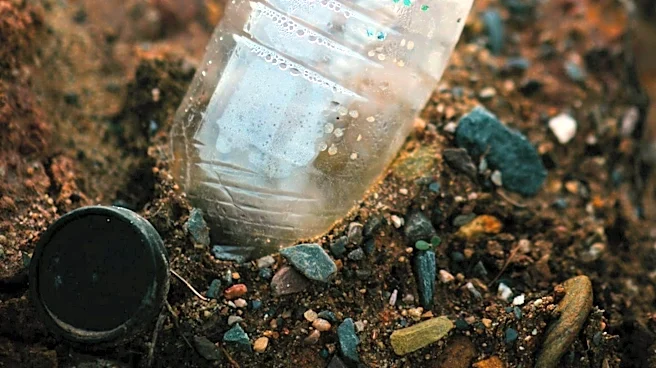
There’s no denying the appeal of recycled polyester, often called rPET. On paper, it’s an environmental success story. The process takes PET plastic, most commonly from single-use beverage bottles, and spins it into new fibers for clothing. The benefits
are clear and frequently touted by fashion brands. Manufacturing rPET uses significantly less energy than creating virgin polyester from petroleum—some estimates say up to 59% less. This also means a smaller carbon footprint, with one life-cycle analysis finding it generates 79% fewer CO2 emissions. And, of course, it diverts plastic waste that would otherwise clog landfills and pollute oceans. For an industry wrestling with its enormous environmental impact, and for consumers eager to make better choices, rPET has presented itself as a straightforward solution. It allows brands to incorporate a 'sustainability' claim into their products, and it gives buyers a tangible reason to feel better about their purchase. It's a compelling narrative that has made rPET a go-to material for everything from activewear to outerwear.
The Hidden Problem of Microplastics
Here’s the first major catch: all polyester, whether virgin or recycled, sheds tiny plastic fibers known as microplastics, especially during washing. These particles are too small to be filtered out by most wastewater treatment plants and end up in our rivers and oceans. But recent studies reveal a startling downside to the recycled option. Research commissioned by the Changing Markets Foundation found that recycled polyester may actually be a bigger offender than its virgin counterpart, shedding significantly more microfibers per wash. Some tests showed rPET fabrics releasing over 50% more fibers. The reason lies in the recycling process itself. Turning a rigid plastic bottle into a soft, flexible textile weakens the polymer chains. The resulting fibers are more brittle and prone to breaking off during the agitation of a wash cycle. So while we might be keeping a plastic bottle out of a landfill, we could be contributing more to the pervasive and potentially harmful issue of microplastic pollution, which contaminates everything from arctic ice to our own bodies.
A One-Way Trip to the Landfill
The idea of circularity is central to sustainability, suggesting a closed-loop system where materials are reused endlessly. Recycled polyester, however, is rarely part of a closed loop. A PET bottle is part of a well-established recycling stream where it can be efficiently turned back into another bottle. When the fashion industry pulls that bottle out of the stream to make a t-shirt, it’s effectively interrupting that cycle. This process is more accurately described as downcycling. The new garment is of lower quality than the original material and is almost impossible to recycle again, especially if it's blended with other fibers like elastane for stretch. Textile-to-textile recycling technology exists, but it's far from being widespread, cost-effective, or accessible at scale. As a result, that recycled polyester jacket or pair of leggings is most likely destined for the landfill or incinerator at the end of its life, unable to be reborn as another garment. It's a detour, not a circular journey.
Greenwashing and the Bigger Picture
Because 'recycled' is such a positive marketing term, it has become a cornerstone of greenwashing in the fashion industry. Brands can highlight their use of rPET to project an image of environmental responsibility, distracting from the much larger problem of their fast-fashion business model, which is built on overproduction and disposability. Using rPET is an improvement over using virgin polyester, but it doesn't address the fundamental unsustainability of producing billions of garments that are worn only a few times. Critics argue that by framing rPET as a definitive solution, the industry avoids confronting the harder changes required, such as producing less, designing for longevity, and moving away from a reliance on synthetic fibers altogether. When a brand's 'conscious collection' makes up a tiny fraction of its total output, the use of recycled materials can feel more like a public relations move than a genuine commitment to systemic change.