






The Allure of the Goal Scorer
There’s a beautiful simplicity to the Golden Boot. It’s a crown awarded for the most fundamental act in soccer: putting the ball in the back of the net. Unlike awards, it’s purely mathematical. The player with the most goals wins, and in a sport where
scoring is the ultimate objective, the top marksman is naturally elevated to hero status. They are the finishers, the difference-makers whose moments of brilliance decide games. Fans remember the goals, the celebrations, and the players who delivered them under the highest pressure. This statistical clarity gives the Golden Boot a powerful, undeniable prestige. It’s a tangible measure of a player’s offensive output, making its winner an easy and often deserving focal point of a tournament’s narrative.
A Tale of Two Trophies
The very existence of a separate award for the tournament’s “best player”—the Golden Ball—highlights the core of this debate. The Golden Boot rewards a specific, quantifiable skill. The Golden Ball, however, is given to the player judged to have the greatest overall impact. This player is often the engine of their team, the one who dictates tempo, creates chances, and elevates the play of everyone around them. They might be a midfield maestro, a defensive rock, or an attacker whose contributions far exceed their goal tally. The Golden Ball acknowledges that a player's influence can't always be counted in goals alone. It celebrates vision, leadership, defensive work-rate, and the kind of game-breaking creativity that doesn't show up on the scoresheet.
When History Disagrees
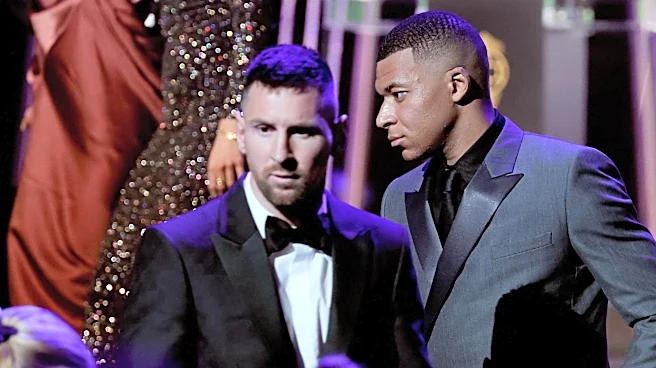
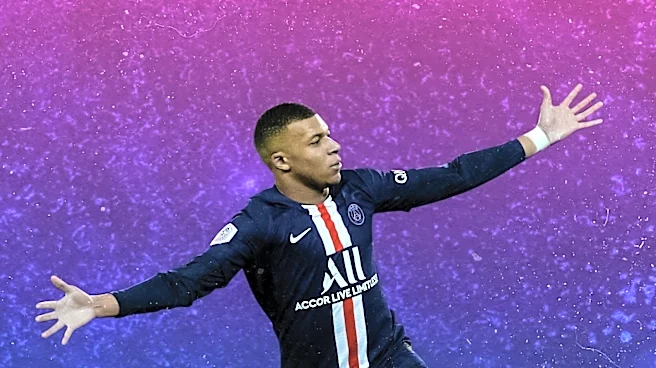
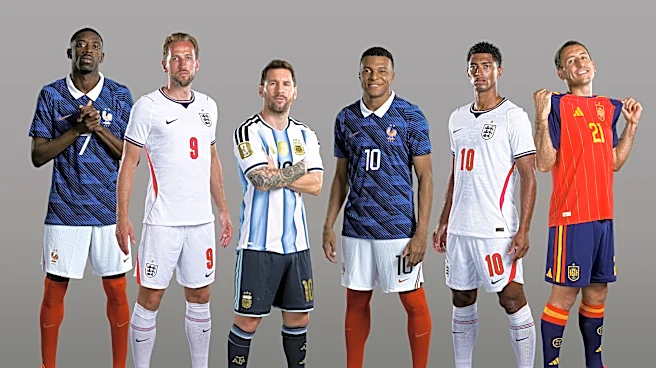
Recent World Cups provide perfect case studies. In 2022, Kylian Mbappé won the Golden Boot with a stunning eight goals, including a hat-trick in the final. Yet, few would argue he was more influential than Lionel Messi, who captained Argentina to victory and was awarded the Golden Ball for his tournament-defining performance. Messi scored seven goals himself but also acted as his team's primary creator and spiritual leader. Go back to 2018: England’s Harry Kane scored six goals to win the Golden Boot, but the Golden Ball went to Luka Modrić, the Croatian midfielder who masterfully pulled the strings for his underdog team all the way to the final. Time and again, the consensus best player is not the one who scored the most goals. It has been a rare feat for a player to win both awards, demonstrating how different the two contributions often are.
The Specialist vs. The Architect
This isn't to diminish the achievement of a Golden Boot winner. Elite goal-scoring is a rare and precious talent. A pure striker like Harry Kane in 2018 or Kylian Mbappé in 2022 is often the sharp end of the spear, a specialist whose job is to convert the chances created by the team. Their success is a reflection of both their individual brilliance and the system built to supply them. In contrast, players like Modrić in 2018 or Messi in 2022 are the architects of the entire operation. They are often responsible for creating the system itself through their on-field intelligence. They carry a heavier burden of creation and control, influencing the game from deeper positions and in more varied ways. The debate, then, is not about who is “better” in a vacuum, but about which type of contribution we value more in defining a tournament’s standout star.