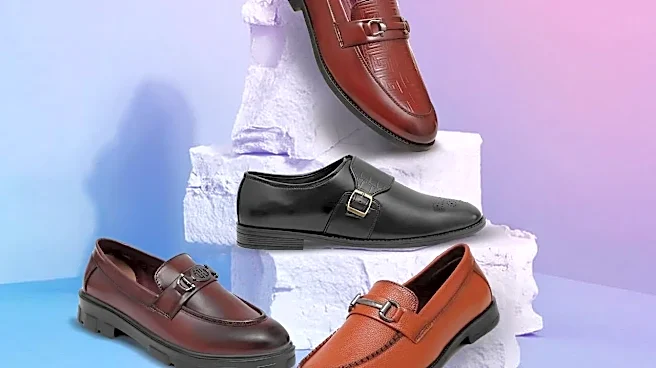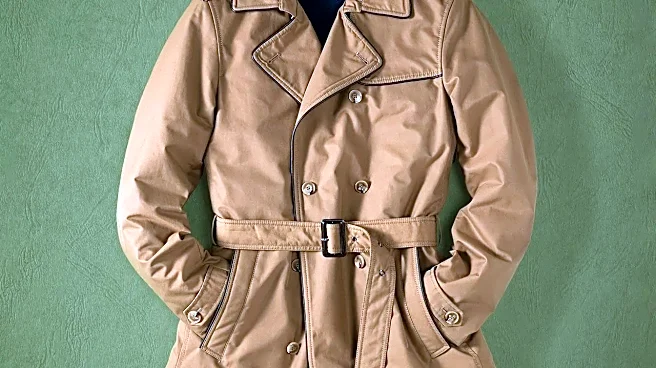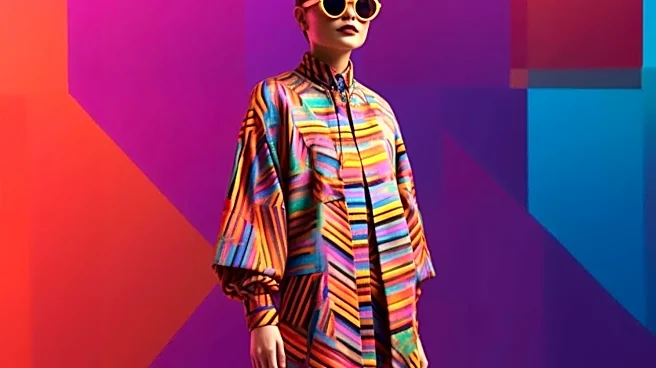

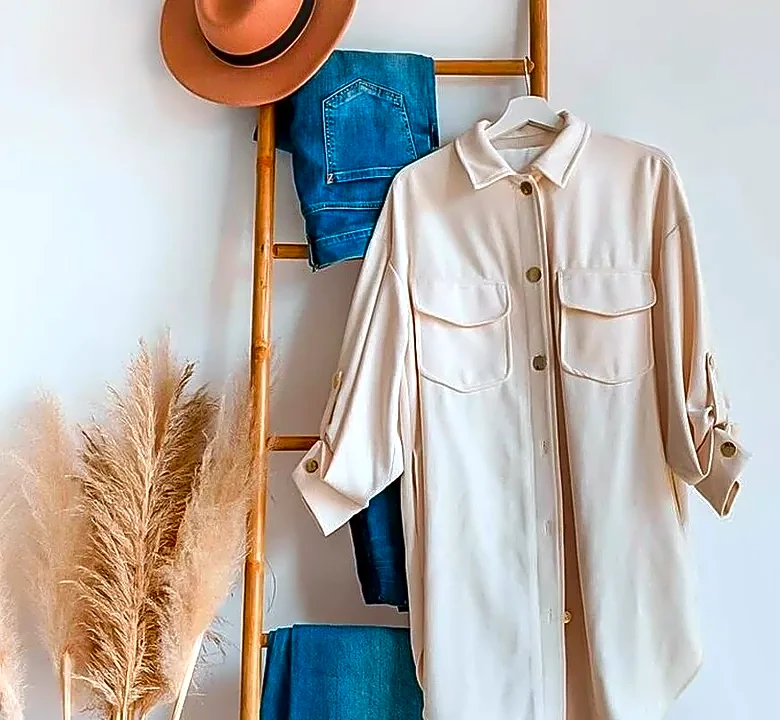

Let’s Start With the Basics: What's a Color Palette?
Think of a color palette as your ingredients. It’s a defined set of colors that are chosen to work together. In the fashion industry, designers build entire collections around a specific palette for a season. On a personal level, it might be the three
to five colors that dominate your wardrobe. A palette is the 'what'—the specific hues you’re working with, like navy, cream, and rust. It's a fundamental tool, and mastering it is the first step. When you buy an eyeshadow palette or see a pre-styled outfit on a mannequin, you're looking at a self-contained color palette. The work of choosing complementary shades has been done for you. Copying this is a safe, reliable way to look put-together, but it often lacks a personal touch.
The Next Level: So, What’s a Color Story?
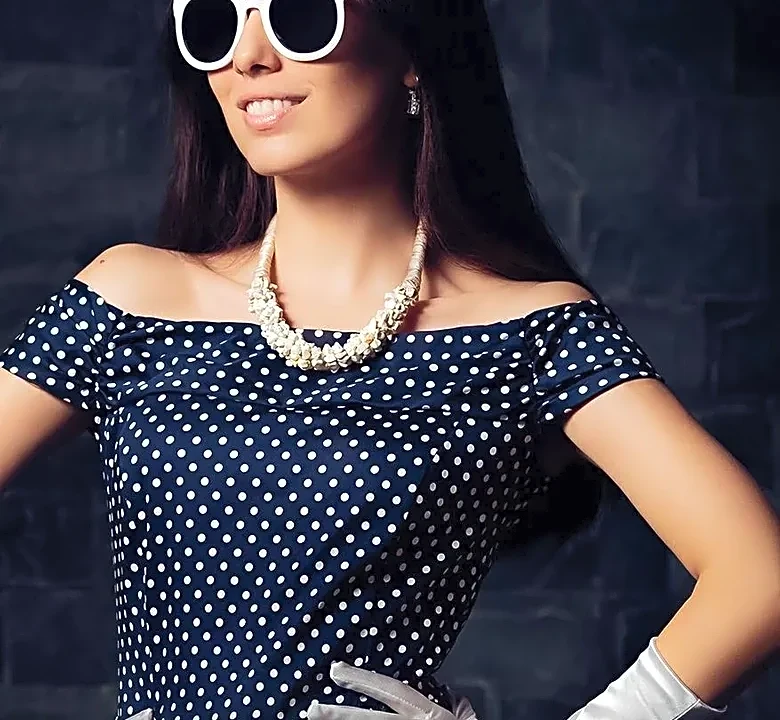
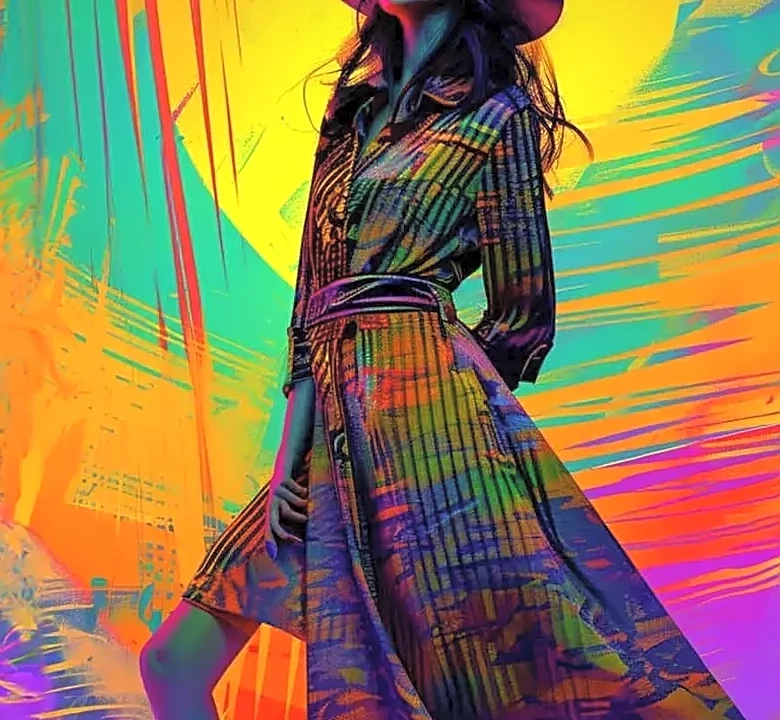
A color story is what you do with those ingredients. It's the 'why' and the 'how'. It's a narrative. While a palette is a static group of colors, a color story is the way those colors are used to create a mood, evoke an emotion, or communicate an idea. It’s the difference between saying 'these colors match' and 'this combination feels powerful, or serene, or energetic'. A color story considers context: the occasion, your personality, and the impression you want to make. For example, a palette of black, white, and red is just that—a palette. But using mostly black with a sharp, deliberate pop of red in a power suit tells a story of confidence and authority. Using the same colors in a flowy white dress with a delicate red floral print tells a story of romance and summer ease. The palette is the same, but the story is completely different.
Copying a Palette vs. Creating a Story
Copying a palette is essentially following a recipe. You are replicating a combination that you know works, often because a brand or influencer showed you how. There's no shame in this; it’s how most of us learn. However, it can feel impersonal, like you're wearing a uniform someone else picked out. Creating a color story, on the other hand, is like becoming the chef. You understand the ingredients (the palette) so well that you can improvise. You're making deliberate choices based on feeling and intent. It’s about assigning a purpose to every color in your outfit. A color story is also more flexible. It might involve playing with proportions—using one color as a dominant force (about 60% of the look), another as a secondary support (30%), and a third as a tiny, impactful accent (10%). This approach immediately creates a more dynamic and intentional look than simply giving each color equal weight.
How to Build Your Own Color Story
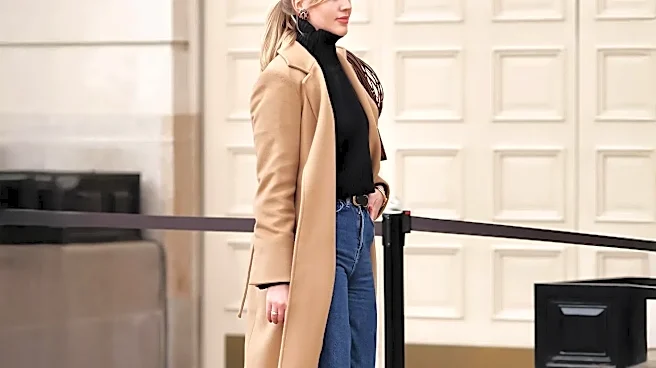
Ready to move from copying to creating? Start here. First, think about the mood. How do you want to feel today? Confident, creative, calm? Let that guide your main color. For instance, blues can feel trustworthy and calm, while reds signal energy. Second, consider your personal coloring. Certain shades will naturally harmonize with your skin's undertones, hair, and eye color, making you look more vibrant. You can start by identifying if your skin has cool (bluish), warm (golden), or neutral undertones. Finally, build around a 'hero' piece. Found a great olive green jacket? Make that the star. Build a story around it with complementary neutrals like cream or camel, or create a bolder statement with an accent of deep purple or mustard yellow. The key is to see color not just as a matching game, but as your most powerful tool for self-expression.