








The Science of 'Choking'
We've all seen it: a world-class superstar, a player who can bend a ball on a rope from 30 yards out, steps up and skies a penalty over the bar. It’s not because they suddenly forgot how to kick a ball. It’s because their brain got in the way. In sports
psychology, this is known as 'choking,' a paradoxical event where thinking too much about a well-learned motor skill actually causes performance to plummet. Under immense pressure, the brain’s prefrontal cortex can go into overdrive, trying to consciously control actions that are normally automatic. This shift from an intuitive, 'implicit' system to a clunky, 'explicit' one is devastating for an athlete. The fluid, powerful motion they've practiced a million times becomes hesitant and jerky. Your body knows what to do, but your panicked brain suddenly tries to micromanage the process, with disastrous results.
The Kicker's Incredible Burden
The psychological weight on the penalty taker is immense. Statistically, they are supposed to score—about 75% of penalties are successful. This makes the blame for a miss fall squarely on their shoulders. Sports psychologist Geir Jordet, a leading expert on penalties, found that players who display signs of stress or avoidance (like looking away from the goalie or rushing the shot) are significantly more likely to miss. He also notes the difference between a 'threat' and a 'challenge' state. A player in a threat state is focused on the negative consequences of failure. A player in a challenge state is focused on the opportunity to succeed. Furthermore, research shows that players who take less than one second to compose themselves after the referee blows the whistle are far more likely to miss than those who take their time. That brief pause is a conscious effort to regain control in an uncontrollable situation.
The Goalkeeper's Psychological Freedom
Now, let’s flip to the person between the posts. The goalkeeper is in a completely different mental space. Nobody expects them to save a penalty; every save is a bonus, a moment of heroism. This lack of expectation is a superpower. They are free to be the protagonist in a drama where they can't be the villain. This allows them to engage in psychological warfare without the same fear of failure. They can dance on the line, point to a corner, or stare down the kicker to disrupt their routine and plant a seed of doubt. A 2011 study found that goalkeepers who moved around were more likely to make saves, not because they covered more of the goal, but because their antics distracted the kicker. They aren’t just trying to stop a ball; they are trying to get inside the opponent's head, and they have nothing to lose by trying.
The Ghosts of Penalties Past
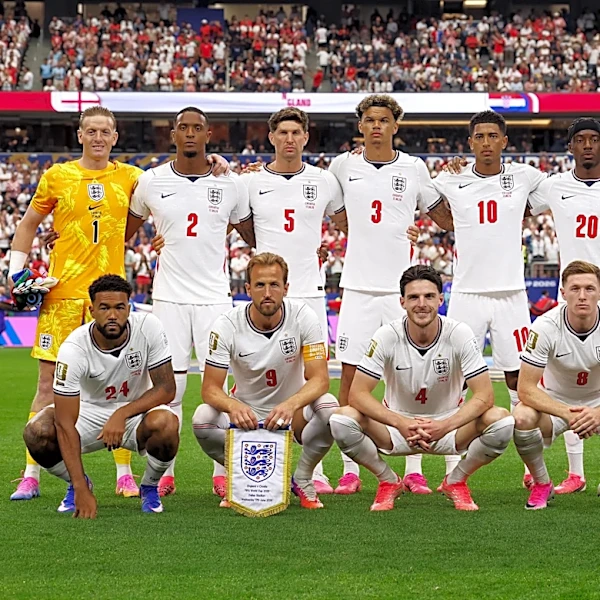
Teams and nations carry the baggage of their penalty shootout history. Think of the English national team, which for decades seemed psychologically scarred by past failures in major tournaments. This creates a self-fulfilling prophecy, where the media, fans, and even the players themselves begin to anticipate another failure. The pressure isn't just about the single kick; it's about the weight of decades of national angst. On the flip side, some players develop meticulously controlled routines—the number of steps back, the deep breath, the placement of the ball—as a way to create a bubble of familiarity and control amid the chaos. This ritual isn't just superstition; it's a psychological tool to quiet the noise, block out the context, and turn an extraordinary moment into an ordinary action they've performed thousands of times in practice.