




The Paradox of the Couch
We live in a golden age of access but a dark age of discovery. With nearly every film ever made a few clicks away, the sheer volume can feel more like a burden than a blessing. The experience is defined by convenience and isolation. You press play, and maybe
you finish the movie. Maybe you get distracted by your phone, or fold laundry, or decide halfway through that another title in your queue is calling to you. The film becomes just another piece of content, consumed in a vacuum, its potential impact muffled by the endless distractions of home. The shared magic of the theater—the collective gasp, the communal laugh, the unified silence—has been replaced by a private, and often diluted, experience.
The Telluride Antidote
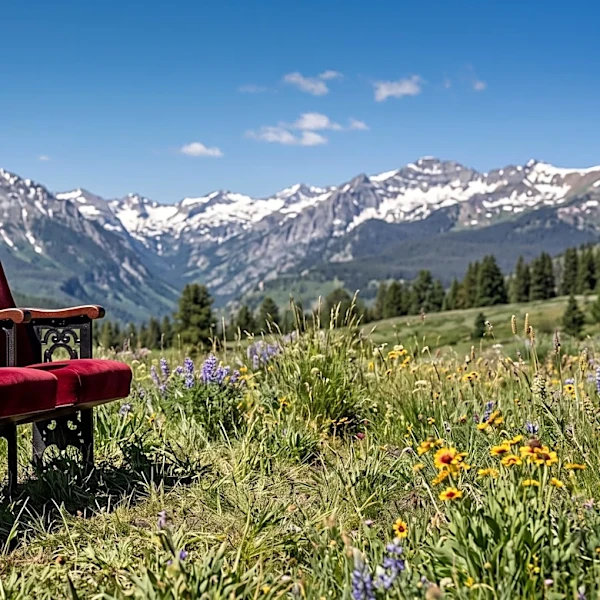
Every Labor Day weekend, a small mountain town in Colorado offers a radical alternative. The Telluride Film Festival, which kicks off its 53rd edition on September 4th, 2026, is built on a philosophy that directly counters the streaming ethos. It’s not a competition, but a celebration. There are no red carpets, no paparazzi, and, most famously, no pre-announced lineup. Attendees—a mix of die-hard cinephiles, industry insiders, and the filmmakers themselves—arrive on what the festival calls “blind faith,” trusting the curators to deliver a transformative experience. For four days, the entire town becomes a cinema, with screenings in venues from a historic opera house to outdoor amphitheaters. It’s an immersion, not a distraction.
Where Oscar Buzz is Born
Telluride’s influence radiates far beyond its 8,750-foot altitude. It has become one of the most reliable launchpads for the Academy Awards. Films like “Moonlight,” “Nomadland,” “Slumdog Millionaire,” and “12 Years a Slave” all had crucial screenings here, arriving with little fanfare and leaving as must-see contenders. A Telluride premiere is a stamp of approval that cuts through the marketing noise, signaling to the world that a film demands to be taken seriously. That buzz begins not with a press release, but with passionate conversations in coffee shop lines where you might find yourself standing next to the film’s director. It’s an organic, egalitarian atmosphere that prizes the art over the business.
The Power of a Captive Audience
Ultimately, what the festival changes is the very act of watching. In a Telluride theater, you are a willing captive. You’ve traveled to a remote town and stood in line, not just for a movie, but for the movie. The phone stays in the pocket. The outside world recedes. You are surrounded by hundreds of others who have made the same pilgrimage. This shared context elevates the experience. A subtle joke lands harder. A heartbreaking scene resonates deeper in the shared quiet. The film is no longer just content on a screen; it becomes a communal event, a shared memory. The festival reminds us that how we watch is as important as what we watch. It proves that in the right setting, a film isn't just something you stream—it's something you experience.