


One Stage, Many Worlds
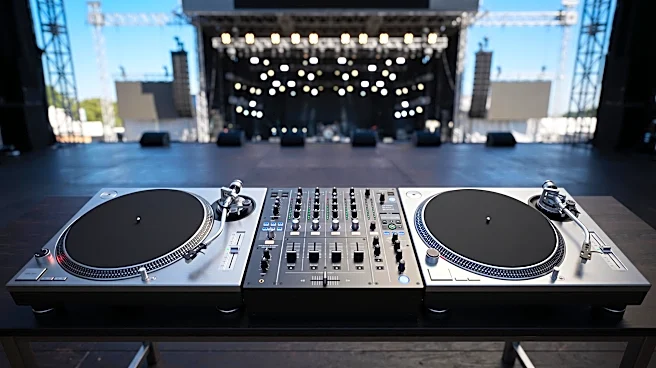
The fundamental challenge of a multi-genre festival like iHeartRadio is creating a single, versatile stage that can serve a dozen different masters. Production teams, including firms like Atomic Design and renowned lighting designer Tom Kenny, build a utilitarian
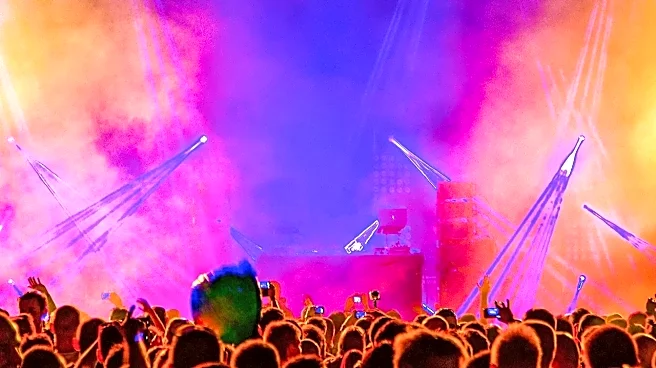
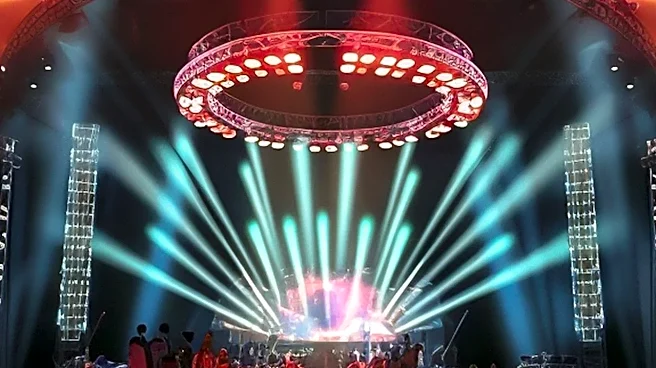
but technologically dense canvas. This base rig includes massive LED video walls, hundreds of adaptable lighting fixtures, and a physical structure that allows for rapid changeovers. The goal is to provide a consistent, high-quality foundation that can be completely transformed in the precious minutes between sets, often using rolling risers for drum kits and other large gear to save time. This core setup must serve two audiences simultaneously: the 20,000 people inside T-Mobile Arena and the millions watching the livestream at home, a duality that shapes every design choice.
Pop and K-Pop: The Maximalist Feast
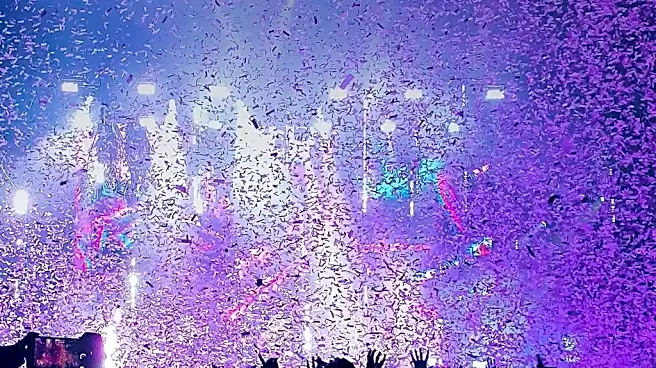
For pop and K-pop acts like BTS, Cardi B, or Zara Larsson, the production philosophy is often one of glorious maximalism. The focus is on creating a flawless, high-energy visual spectacle that is meticulously synchronized with the music and choreography. This means vibrant, full-screen video content, sharp and kinetic lighting, and often a heavy dose of pyro and special effects. The stage becomes a dynamic, living extension of the artist's brand. Lighting is bright and designed to look perfect from every conceivable camera angle for the broadcast. The performance is a tightly controlled, immersive experience where every flash and video cue is part of the story, creating a larger-than-life audiovisual feast for the senses.
Rock's Raw, Authentic Power
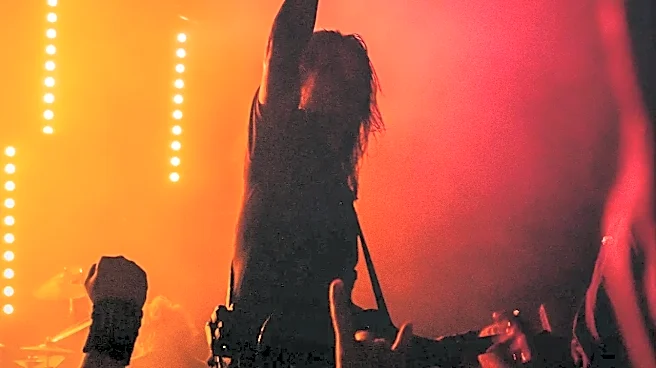
When a rock band like Muse or The Smashing Pumpkins takes the stage, the approach shifts from polished spectacle to raw authenticity. While the same high-tech tools are available, they are used to create a different feeling. Instead of wall-to-wall video content, the focus might be on more abstract visuals or even just powerful, atmospheric lighting. The design often intentionally exposes the architecture of the performance: the amplifiers, the drum kit, the musicians themselves. Lighting designer Tom Kenny has noted that for more intimate or raw performances, he might even turn off large parts of the massive rig to draw focus. The goal is to make a stadium-sized show feel as immediate and visceral as a club gig, emphasizing the live, spontaneous energy of the band over pre-packaged perfection.
Country's Intimate Storytelling
Country artists such as Kenny Chesney and Lainey Wilson often require a production that blends rock's authenticity with a unique warmth and emphasis on storytelling. The lighting palettes might lean toward warmer tones—ambers, deep reds, and open white light—to create a more inviting and intimate atmosphere, even in a cavernous arena. Video content often plays a key narrative role, displaying lyrics, pastoral imagery, or scenes that connect directly to the song's message. The production for a country set aims to foster a sense of connection and community between the artist and the audience. It’s less about overwhelming the senses and more about drawing the audience into a shared story, making a crowd of thousands feel like a personal concert.
Hip-Hop's Bold, Graphic Identity
For hip-hop legends like Snoop Dogg, the stage often becomes a platform for bold, graphic, and iconic statements. The production design frequently centers on the artist as a singular, powerful figure. Lighting is often high-contrast, using stark beams and powerful silhouettes to create a dramatic effect. Video elements may focus on strong branding, iconic symbols, or raw, street-level imagery that reinforces the artist's persona and lyrical themes. The set becomes a canvas for the artist's identity, using clean, powerful visuals to command the massive stage and focus all attention on the lyrical delivery and commanding presence of the performer.