






In 'Wicked,' the song 'Thank Goodness' presents as a bubbly celebration. But beneath the shimmering surface is a portrait of a woman cracking under the pressure of a dream she no longer wants, setting the stage for her entire tragic journey.
A Celebration Built on a Lie
The song arrives
at the beginning of Act II. To the public, Glinda has it all. She's officially 'Glinda the Good,' a beloved public figure, engaged to the dashing Fiyero, and the smiling face of the Wizard's regime. 'Thank Goodness' is her public address, a meticulously staged press event celebrating her engagement and a 'Wicked Witch-free' Oz. The citizens of Oz eat it up, chanting their gratitude. But from the outset, the performance is strained. Fiyero is visibly uncomfortable, Glinda has to nudge him into compliance, and her smiles are a little too bright. The song's very structure is a performance, a piece of political theater designed to reassure the public and solidify her status. The entire celebration is built on the convenient, state-sponsored lie that Elphaba is a villain and that her absence is something to be celebrated.
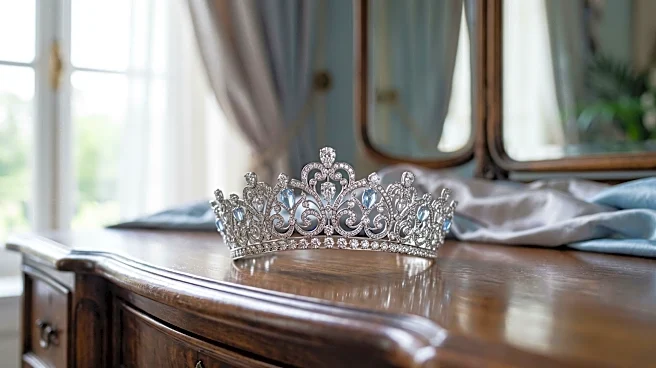
Cracks in the Diamond Tiara
Stephen Schwartz's lyrics masterfully weave Glinda's internal monologue into her public speech. While the crowd hears cheerful platitudes, Glinda is privately confessing her misery. She sings she 'couldn't be happier,' a phrase repeated until it sounds like she's trying to convince herself more than anyone else. Then comes the quiet confession: '...getting your dreams is strange, but it seems a little... complicated. There's a kind of a sort of cost. There's a couple of things get lost.' This is the core of her trouble. She has achieved the popularity she craved in Act I, but she now understands its terrible price. The most telling line is a moment of painful clarity: 'There are bridges you cross you didn't know you crossed until you've crossed.' She is realizing, in real-time, that in her pursuit of being loved, she has compromised her integrity and betrayed her friend.
The Ghost of Elphaba
The entire song is haunted by the person who isn't there: Elphaba. Every cheer for Glinda's 'goodness' is an indirect condemnation of Elphaba's supposed 'wickedness.' As the citizens trade ridiculous rumors about Elphaba—that she has an extra eye or that pure water can melt her—Glinda is forced to stand there and smile. Her happiness is predicated on her best friend’s public vilification and presumed death. This is the central conflict of the song. Glinda is performing joy while mourning a friendship she was forced to renounce. The public role of 'Glinda the Good' requires her to erase Elphaba, but her private self is defined by their connection. The song isn't a celebration of victory; it's a lament for a lost friend, disguised as a party.
From 'Goodness' to 'For Good'
'Thank Goodness' is the necessary emotional crucible that makes the show's finale, 'For Good,' so powerful. In 'Thank Goodness,' Glinda is trapped by a version of 'goodness' that means public approval and doing what's expected. She has everything she thought she wanted—the fame, the prince, the adoration—and she is miserable. This profound unhappiness is what eventually gives her the strength to grow. The pain and hollowness she feels in this moment are the seeds of her future rebellion against the Wizard and Madame Morrible. She must first experience the emptiness of a false 'goodness' before she can understand the true, transformative change she sings about with Elphaba in 'For Good.' That final, heartbreaking duet is about how their friendship has changed them for the better. But the journey to that understanding, for Glinda, begins with the lonely, gilded cage of 'Thank Goodness,' where she realizes that being 'Glinda the Good' has cost her everything that truly mattered.