




Wait, Don't They Play Football Here?
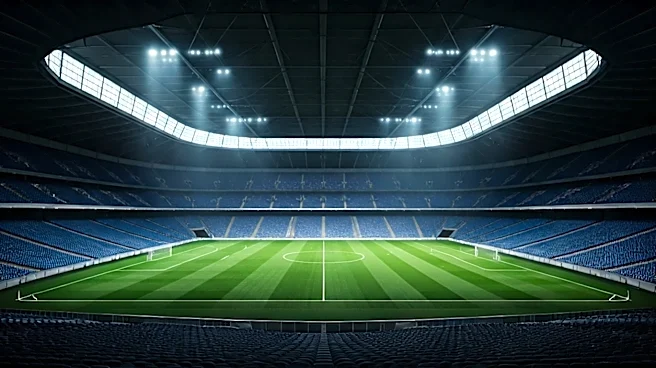
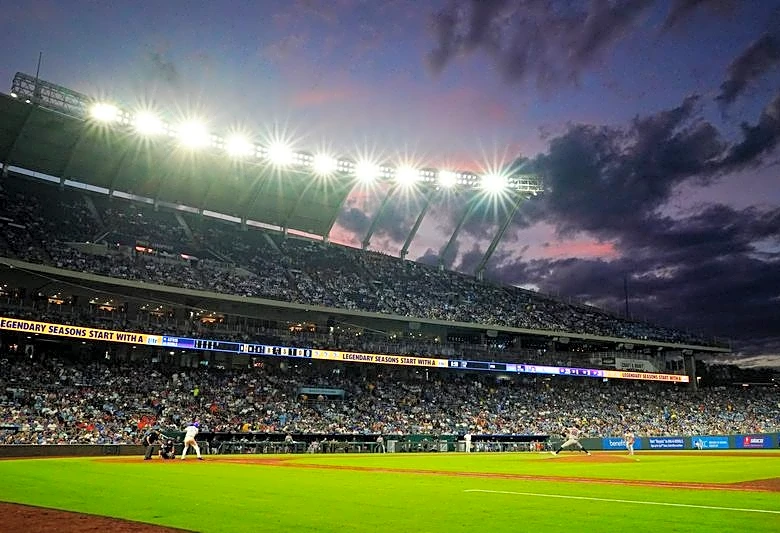
Yes, and that’s the root of the biggest behind-the-scenes drama of this World Cup. The eleven U.S. venues are all modern NFL palaces, built for American football, not international soccer. An NFL field is significantly narrower than a FIFA-mandated soccer pitch.
To make the games happen, every single one of these stadiums has undergone costly and complex renovations. MetLife Stadium, host of the final, had to permanently remove 1,740 seats just to widen the field. At AT&T Stadium in Dallas, the conversion was even more extreme: because the field sits too low to be widened, the entire playing surface had to be raised 15 feet on a temporary platform to create the required space.
Is the Grass Real?
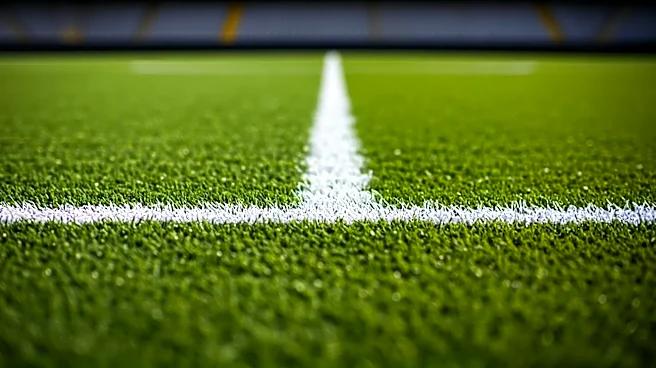
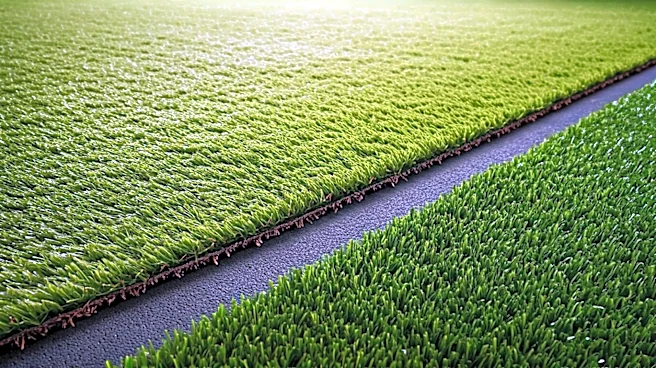
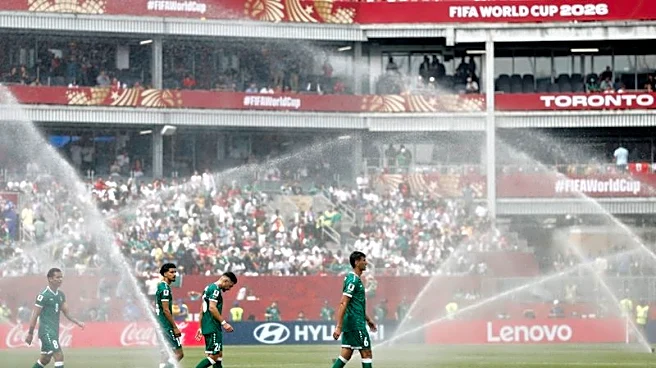
This is the single most important question for players and purists. FIFA requires natural grass for all World Cup matches to ensure player safety and a consistent, high-quality playing surface. This created a massive headache because most of the host NFL stadiums use artificial turf for its durability. The solution has been a seven-year-long project by FIFA to engineer and grow specialized natural grass surfaces for each venue. In stadiums with retractable or fixed roofs like those in Atlanta and Houston, where sunlight is scarce, this involves removing the old turf and installing complex irrigation, drainage, and lighting systems to keep the grass alive indoors for the tournament's duration. This isn't just a matter of rolling out sod; it's a multi-million dollar science experiment happening under everyone's feet.
Why Does the Stadium Have a Different Name?
You might know it as MetLife Stadium, SoFi Stadium, or AT&T Stadium, but for the duration of the World Cup, they have generic names like "New York New Jersey Stadium" or "Dallas Stadium." This is because of FIFA's strict "clean stadium" policy. The organization's global sponsors pay billions for exclusivity, so any branding from non-official partners—including the companies that hold stadium naming rights—must be completely covered or removed. When the host cities bid for the tournament, they had to agree to these terms, and most modern naming-rights contracts include clauses that allow for this temporary suspension during major global events.
How Will I Even Get There?
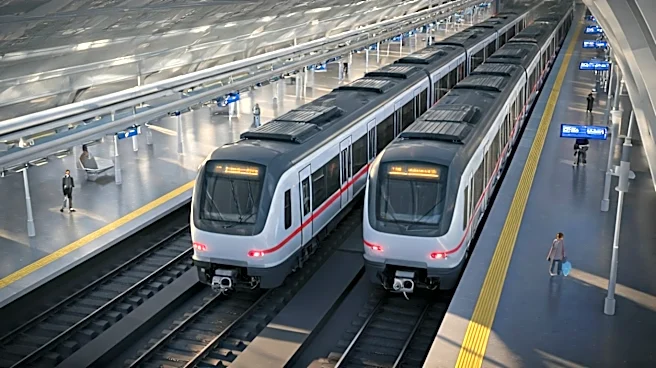
This is the practical question that could make or break your World Cup experience. Unlike many European and South American soccer stadiums that are integrated into city centers, most of the U.S. venues are suburban behemoths surrounded by massive parking lots. Places like MetLife Stadium in New Jersey, AT&T Stadium in Arlington, and Gillette Stadium in Foxborough have very limited public transit options designed for the scale of a World Cup crowd. With over five million spectators expected across the U.S. matches, local infrastructure will be stretched to its limits. Expect significant traffic, rideshare surge pricing that can be many times the normal rate, and overwhelmed transit systems. Planning your travel to and from the stadium well in advance is not just a good idea—it's essential.
Why Was the Final in New Jersey, Not Dallas?
For months, many believed the final would be awarded to AT&T Stadium in Arlington, Texas, with its massive capacity and climate-controlled roof. The decision to give the world's biggest game to MetLife Stadium in East Rutherford, New Jersey, came as a surprise to many. While both are modern giants, MetLife's successful bid was reportedly bolstered by its experience hosting major events like the Super Bowl and its location in the New York City media market. Though Dallas will host the most matches of any city (nine), New York/New Jersey secured the July 19th final, the ultimate prize for any host city.