





The Original Final Girl
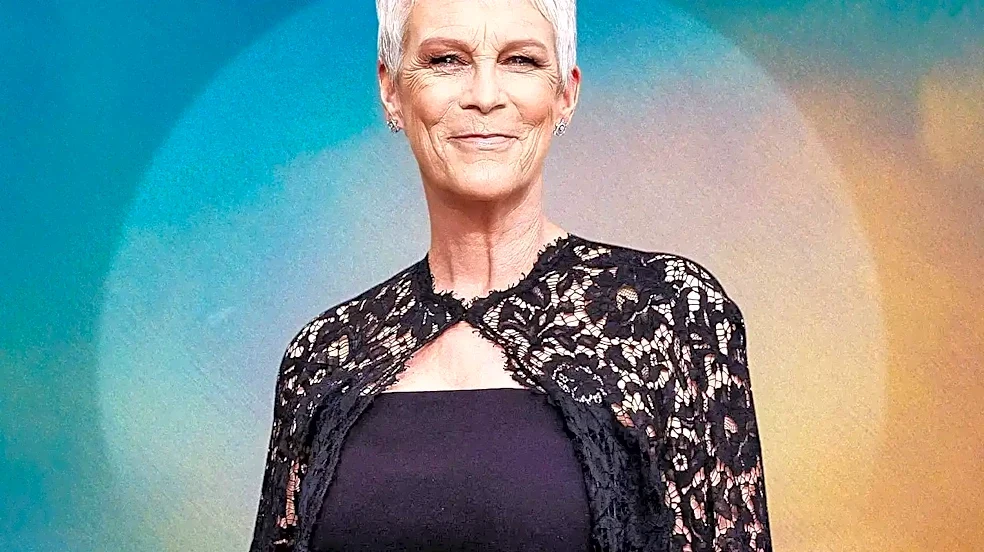
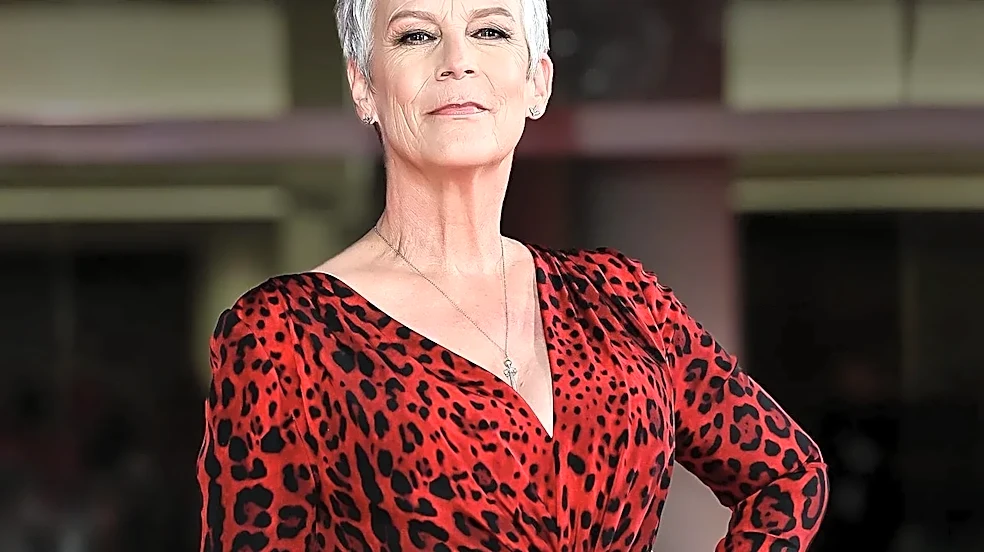
When John Carpenter's 'Halloween' premiered in 1978, it was a low-budget independent film that became a cultural phenomenon. At its heart was Jamie Lee Curtis as Laurie Strode, the resourceful babysitter who survives the onslaught of the relentless Michael
Myers. Curtis, then a relative unknown, instantly became horror royalty, defining the 'final girl' archetype for a generation. The film's staggering success, grossing $47 million on a shoestring budget, kicked off the slasher boom of the 1980s. Curtis returned for 1981's 'Halloween II', a financial success that cemented the series, but she would soon step away from the role that made her a star, seeking to avoid being typecast as a 'scream queen'.
A Franchise Adrift
In the years following Curtis's departure, the 'Halloween' franchise wandered through a creative and commercial wilderness. After the bizarre, Michael Myers-free 'Halloween III: Season of the Witch', the series brought the killer back but struggled to recapture the magic. Sequels like 'Halloween 4', '5', and '6' saw diminishing returns and convoluted plotlines involving druid cults. Curtis did return for 1998's 'Halloween H20: 20 Years Later', a temporary shot in the arm that successfully cashed in on the 'Scream'-era's meta-horror trend. However, her character was unceremoniously killed off in 2002's 'Halloween: Resurrection', a critical and commercial dud that led to Rob Zombie's polarizing reboots, which recast Laurie Strode entirely. For years, it seemed the franchise's best days were long behind it.
The 2018 Box Office Juggernaut
Everything changed in 2018. Director David Gordon Green and producer Jason Blum pitched a radical idea: a direct sequel to the 1978 original that ignored every other film in the franchise. The key was getting Jamie Lee Curtis back. Her return as a hardened, trauma-scarred Laurie Strode, who had spent 40 years preparing for Michael's return, was the film's emotional and marketing anchor. The result was an unprecedented success. Made for a lean $10 million, 'Halloween' (2018) exploded at the box office, opening to $76 million and ultimately grossing over $255 million worldwide. It became the highest-grossing slasher film in history. The film's debut was the biggest ever for a horror movie with a female lead and the biggest opening for any movie starring a woman over 55, proving Curtis's enduring star power.
A New Blueprint for Legacy
The success of the 2018 film, which spawned two more sequels, 'Halloween Kills' and 'Halloween Ends', wasn't just about nostalgia. It was about powerful, character-driven storytelling. Curtis's portrayal of Laurie wasn't as a victim, but as a survivor whose trauma had been forged into strength. This resonated deeply with audiences and provided a new, compelling narrative engine. Her involvement fundamentally changed the franchise's trajectory and arguably created a new, more potent model for the 'legacyquel'. By bringing back the original star in a meaningful, central role—not just a cameo—the film honored the past while creating something fresh. For Curtis, it sparked a career renaissance that led to an Academy Award for 'Everything Everywhere All at Once'. She leveraged the success into a producing deal, transforming her return to Haddonfield into a major career evolution.