



The Actor Before the Hunchback
By the early 1920s, Lon Chaney was already a respected and sought-after character actor. He had built a reputation for his astonishing versatility and his pioneering, often self-devised, makeup techniques. He could play anything from a frail old man to a hardened
gangster, often disappearing completely into his characters. Audiences knew his name, but he wasn't yet the monumental star he would become. He was a master craftsman waiting for a masterpiece, a specialist in transformation looking for the ultimate canvas. While successful, he was still largely confined to supporting parts or villainous roles in mid-level pictures. He hadn't had the one signature performance that could elevate him from a respected actor to a cultural icon.
The Impossible Role
Victor Hugo’s 1831 novel, *Notre-Dame de Paris*, was a literary titan, but a cinematic nightmare. How could any studio bring its gothic grandeur and its famously grotesque protagonist to the screen? Universal Pictures, then a fledgling studio on the verge of bankruptcy, decided to take the risk. The project was championed by the young, visionary producer Irving Thalberg, who knew there was only one actor in Hollywood with the skill, dedication, and sheer audacity to play Quasimodo: Lon Chaney. Chaney himself had long dreamed of playing the part, seeing in the tragic bell-ringer a perfect vehicle for his unique talents. He acquired the rights and pitched it to Universal, making it clear this was not just another job—it was his artistic calling.
Forging a Monster from Pain
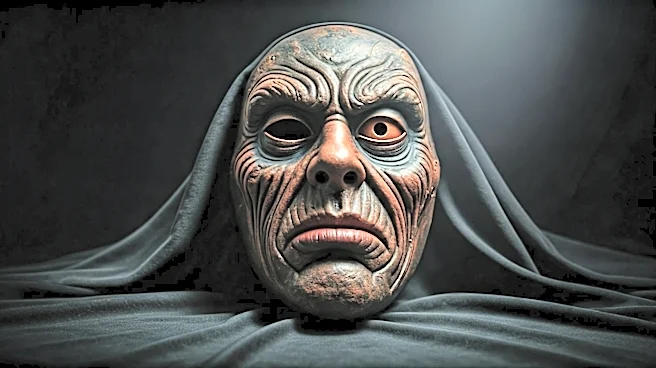
Chaney’s commitment to the role was legendary and punishing. He wasn't just wearing a costume; he was re-engineering his own body. He designed a harness that weighed over 50 pounds to create Quasimodo's signature hump and stooped posture. The harness was so restrictive and painful that it contorted his frame, and he wore it for hours on end during the shoot. For the face, he used a combination of cotton wadding, putty, and mortician's wax to distort his features, creating a grotesque but soulful mask. A leather strap pulled one side of his mouth up, while a celluloid device jammed in his eye socket gave the impression of a blinded, bulging eye. The physical toll was immense, but for Chaney, the pain was the process. He believed that to truly portray Quasimodo's suffering, he had to experience a version of it himself.
The Unveiling of a Legend
When *The Hunchback of Notre Dame* premiered in 1923, audiences were stunned. They had come expecting a spectacle, but they were not prepared for the raw, emotional power of Chaney's performance. His Quasimodo was not just a monster; he was a deeply human character, a tragic figure trapped in a twisted body. Chaney conveyed a universe of pain, love, and loyalty without speaking a single word. The film was an unprecedented blockbuster. It saved Universal Pictures from financial ruin and set it on the path to becoming Hollywood's premier purveyor of horror and monster movies. More importantly, it transformed Lon Chaney. He was no longer just a character actor; he was a superstar. The role proved that his macabre artistry could be the main attraction, drawing audiences in with a mix of horror and profound empathy. He knew the role would change his career because he poured every ounce of his innovative, painful, and brilliant craft into it, and the world could not look away.