







Term #1: We Sell You Your Childhood
The primary clause of this contract is simple: Disney offers Millennial parents a professionally packaged, high-definition dose of their own childhood. The deal isn't just about the movie; it's about the feeling. It's the chance to hear those iconic songs
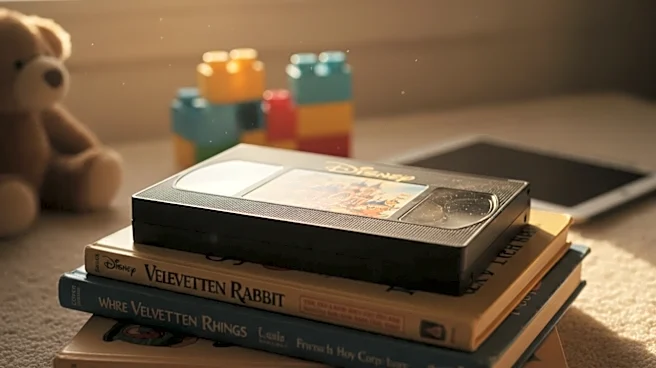
again, to see beloved characters in a new light, and to recapture a flicker of the magic that defined Saturday morning viewings and wore-out VHS tapes. Psychology calls this the power of nostalgia—a potent emotional force that can make us feel connected and comforted. Disney's strategy hinges on the knowledge that this generation, now in their prime parenting years, is the perfect audience for this offering. They aren't just selling a new movie; they're selling a bridge back to a simpler time, a curated memory that parents are eager to experience and, crucially, share.
Term #2: You Provide the Next Generation
In return for this hit of nostalgia, parents hold up their end of the bargain by providing Disney with its most valuable asset: a new generation of fans. This transaction is what makes the remake strategy so brilliant. It’s not just about getting a 30-something to watch “The Lion King” again; it’s about that 30-something bringing their seven-year-old, ensuring the story, the characters, and the brand live on. For parents, it’s a cultural shortcut—a way to bond with their children over shared stories. Explaining the 1990s is hard, but showing them “Aladdin” is easy. This act of sharing turns a simple movie night into a rite of passage, embedding these stories into a new family’s identity. The parent gets to say, “This was important to me, and now it can be important to us,” and Disney gets a customer for life, complete with future theme park visits and merchandise purchases.
The Fine Print: We Reserve the Right to Update
Like any contract, this one comes with fine print. While Disney promises to deliver nostalgia, it also reserves the right to make changes. These updates are often framed as modernizations: giving female characters more agency, diversifying casts, or tweaking plot points that haven't aged well. This is where the contract gets tricky. For some parents, these changes are a welcome improvement, allowing them to share a story that feels more aligned with today’s values. For others, it’s a breach of the nostalgia promise. The very act of changing the beloved original can feel like a violation, creating a tension between the comfort of the familiar and the reality of the new. The company is essentially betting that the power of the core story is strong enough to withstand these alterations.
Breach of Contract: When Nostalgia Isn't Enough
Sometimes, the contract is broken. This happens when a remake fails to deliver on its core promise of recapturing the magic, either through lackluster execution, soulless CGI, or changes that fundamentally miss the point of the original. Films like “Dumbo” or “Pinocchio” were met with a collective shrug, proving that brand recognition alone isn't always enough. When the new version feels like a hollow cash grab instead of a loving homage, the audience feels the difference. The emotional connection fizzles, and the parent feels less like they're sharing a treasured memory and more like they've been duped by a clever marketing ploy. This is the risk Disney takes with every remake. If the trust is broken too many times, parents may decide the contract isn't worth signing anymore, and look for new stories to share instead of simply re-living old ones.