
The Twilight of the 'It' Item
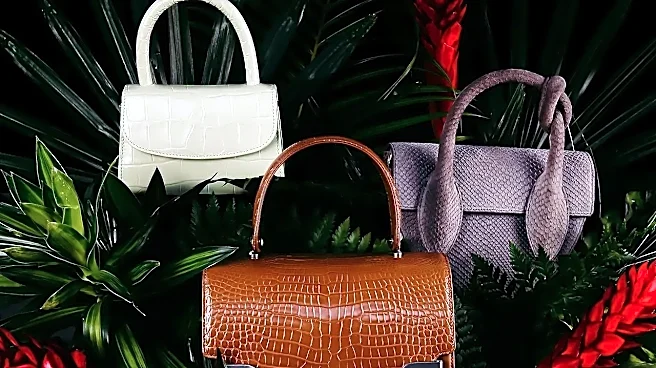
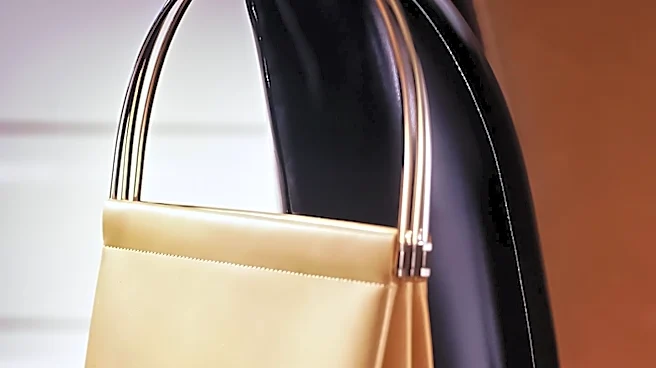
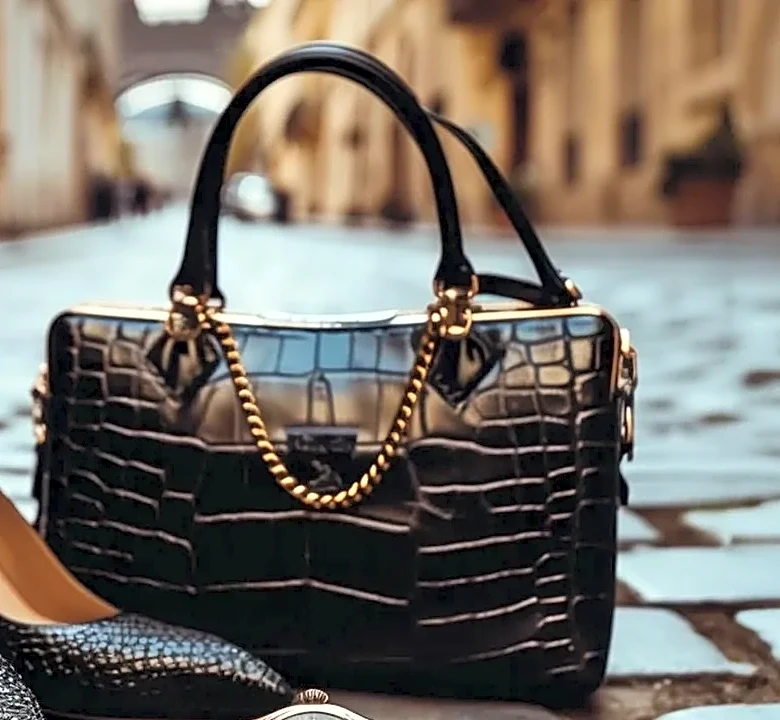
For decades, a specific rhythm dictated high fashion's influence on the masses. A designer would debut a hero product—a Fendi Baguette, a Chloé Paddington, a Dior Saddle Bag—and a frenzy would follow. Celebrities were photographed with it, magazines anointed
it, and a cultural consensus was formed: this was the item to own. This top-down model thrived on scarcity and status. But in recent years, the spell has been broken. The very forces that once amplified an item's desirability, like social media, have now led to its decline. Ubiquity, once a sign of success, now signals overexposure. When everyone has it, do you still want it? For a growing number of consumers, the answer is no. Add to that a fatigue with the relentless speed of trend cycles and rising economic uncertainty, and the appeal of a single, expensive, and potentially short-lived item has dramatically waned.
The Rise of the Personal Uniform
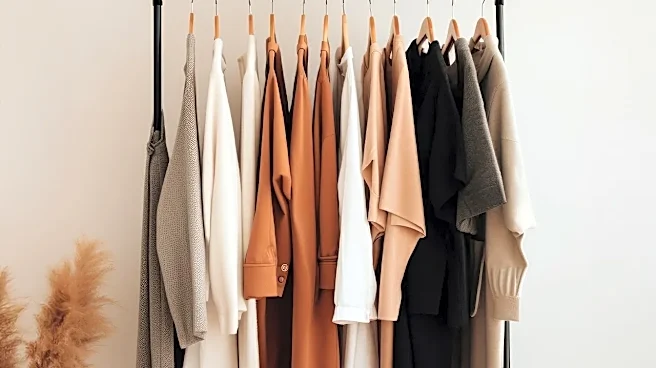
In place of the 'It' item, a more introspective concept is taking root: the wardrobe system. Often called a 'capsule wardrobe' or a 'personal uniform', it’s a curated collection of versatile, high-quality pieces that work together seamlessly. This isn't about restriction; it's about liberation. Proponents argue it saves time, reduces decision fatigue, and fosters a more authentic personal style. The idea itself isn't new—designer Donna Karan championed a 'Seven Easy Pieces' concept in 1985—but its modern resurgence is tied to powerful cultural shifts. The philosophy of 'quiet luxury', which prioritizes craftsmanship and subtle sophistication over flashy logos, perfectly aligns with the wardrobe system ethos. It’s a move away from 'What's next?' toward 'What’s me?,' focusing on longevity and pieces that quietly do the heavy lifting.
More Method, Less Madness
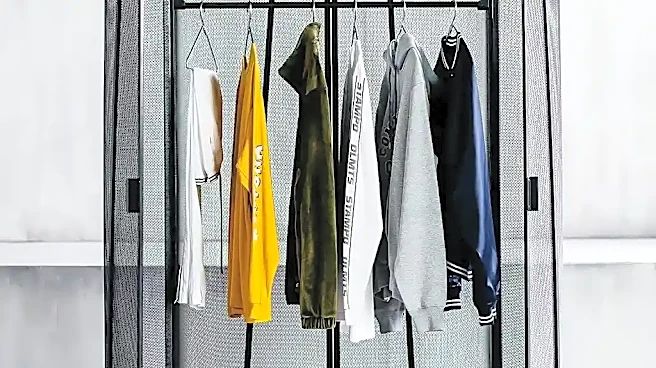
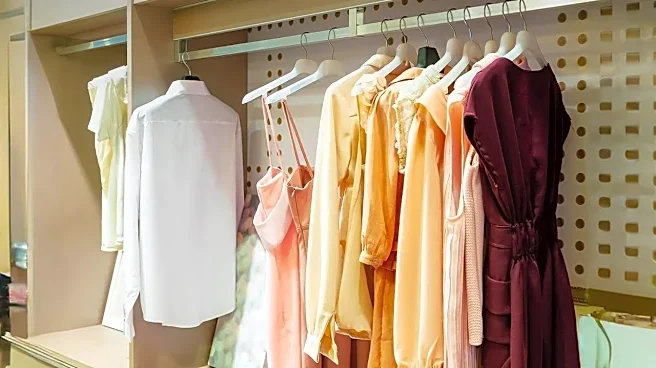
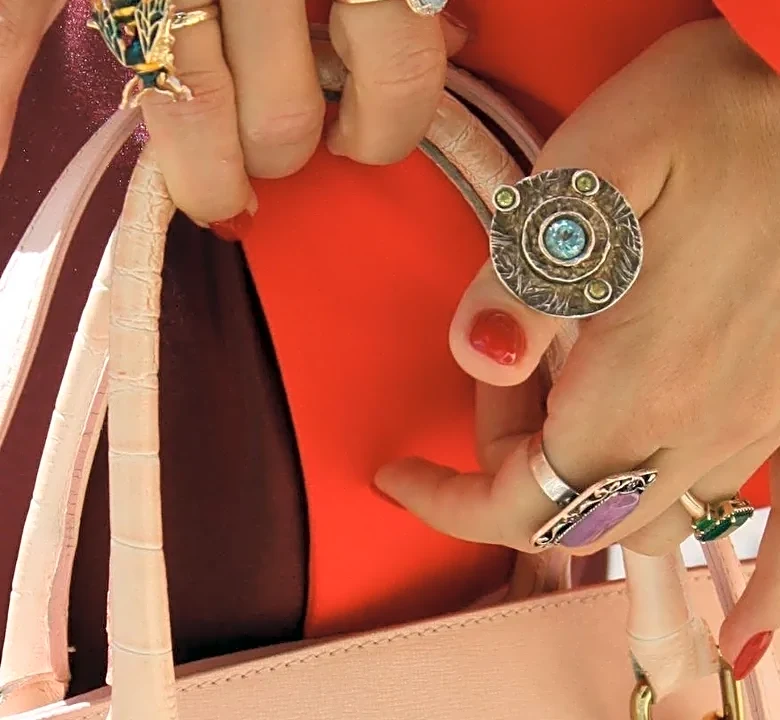
So what does a wardrobe system look like in practice? It's not a sterile collection of beige basics, but a thoughtfully assembled toolkit for self-expression. The process starts by identifying your lifestyle and the clothes you genuinely love and wear. Many stylists use frameworks to help people find their way, such as the popular 'three-word method', where you define your style with three adjectives to guide your choices. The core of the system is built on versatile staples: a great pair of jeans, a timeless coat, a perfectly cut shirt. These items are chosen for their quality and ability to mix and match. From there, you can layer in personality with accessories, color, or a few select seasonal pieces. The goal is an optimized wardrobe where nearly every top works with every bottom, creating dozens of outfits from a limited number of items. It turns getting dressed from a daily challenge into an act of creative, effortless expression.
A Smarter, More Sustainable Future
This movement from item-chasing to system-building is more than a fleeting trend; it reflects a deeper change in consumer values. With growing awareness of fashion's environmental impact, shoppers are increasingly rejecting the disposable nature of fast fashion. Investing in durable, versatile pieces that will be worn for years aligns with a desire for a more sustainable lifestyle. By consciously buying less but choosing better, consumers reduce waste and lessen their environmental footprint. This shift also represents a reclaiming of control. In a world of algorithmic suggestions and constant trend churn, building a personal wardrobe system is a deliberate act of curating one's own identity. It’s a declaration that style comes from within, not from a must-have list dictated by others.