


The pressure was immense. Adapting one of Broadway's most iconic soundtracks is a thankless task. With 'Wicked' finally on the big screen, the question isn't just about the film, but its sound. Can this new album ever defy the gravity of its predecessor?
The Shadow of an Icon
Before we even get to the new, let's talk about the original. For millions, the 2003 Original Broadway Cast Recording of 'Wicked' isn't just an album; it's a cultural touchstone. It's the sound of a generation's discovery of musical theater, belted out in bedrooms and cars by fans who knew every single one of Idina Menzel's powerful Elphaba riffs and Kristin Chenoweth's crystalline Glinda trills. That recording captured a lightning-in-a-bottle chemistry and a raw, theatrical energy that felt immediate and electric. Any movie adaptation was therefore saddled with an impossible task: recreate magic. The 'Wicked: For Good' soundtrack doesn't try to be a carbon copy, and that's its first, and wisest, decision. Instead, it aims to be a cinematic reinterpretation, trading some stage-born bombast for a different kind of grandeur.
A New Elphaba, A Pop-Infused Glinda
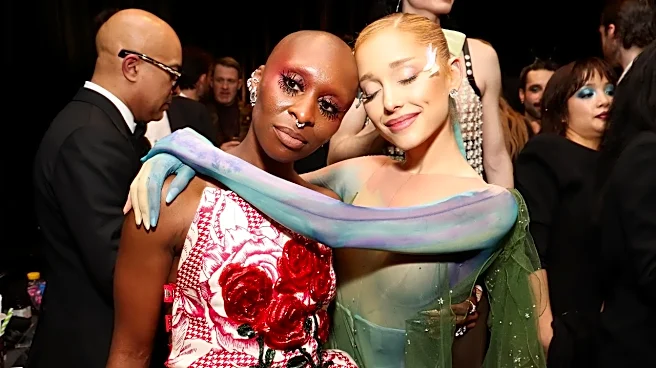
The conversation inevitably starts with the witches. Cynthia Erivo, a Tony-winning powerhouse, brings a rich, velvety vocal texture to Elphaba. Her performance feels grounded and deeply emotional, delivering powerhouse notes with a control that is nothing short of masterful. Where Menzel's Elphaba was a raw force of nature, Erivo's is a masterclass in nuanced strength. Then there's Ariana Grande's Glinda. While some listeners note her voice can feel light or 'opera pop' compared to Chenoweth's more classical approach, it's a deliberate choice that serves the character. Grande, a vocal chameleon, perfectly captures Glinda's journey from bubbly and superficial to a woman of substance, using her pop sensibilities and impressive range to craft a different but equally valid take on the 'Good Witch'. The chemistry between the two leads, especially in duets like 'What Is This Feeling?' and the titular 'For Good,' is palpable and forms the emotional core of the entire album.
From Broadway to the Big Screen
The most significant departure from the original is the sound itself. Film scores operate on a different scale than pit orchestras. The movie soundtrack boasts a massive orchestra, adding layers of percussion and strings that give songs like 'No One Mourns the Wicked' a fuller, more cinematic oomph. This grander scope, a collaboration between original composer Stephen Schwartz and film composer John Powell, was designed to fill the 'huge, magical world' director Jon M. Chu created on screen. However, this expansion is a double-edged sword. Some fans feel the polished, often more restrained studio mix lacks the raw energy of the stage version. Numbers are sometimes stretched to accommodate on-screen action, which can occasionally dull the punch of a song like 'Defying Gravity'. Yet, it also allows for more subtlety and new instrumental sections that deepen the storytelling, creating an experience that's distinct from its theatrical counterpart.
More Than Just the Power Ballads
Beyond the tentpole numbers, the soundtrack offers fresh discoveries. The movie includes all the songs from the musical's first act, but with variations. 'One Short Day,' for instance, features a new section that expands on the Wizard's propaganda, with a delightful cameo from the original Elphaba and Glinda, Idina Menzel and Kristin Chenoweth. The album for the second film, 'Wicked: For Good,' introduces entirely new songs, such as 'No Place Like Home' and 'The Girl in the Bubble,' written to flesh out the characters' emotional journeys. While some of the new material has received mixed reactions for its lyrical simplicity, it's part of a clear effort to add new depth to the narrative for the screen. Even a song previously performed on stage but never officially recorded, 'The Wicked Witch of the East,' finally gets its moment on the soundtrack.