
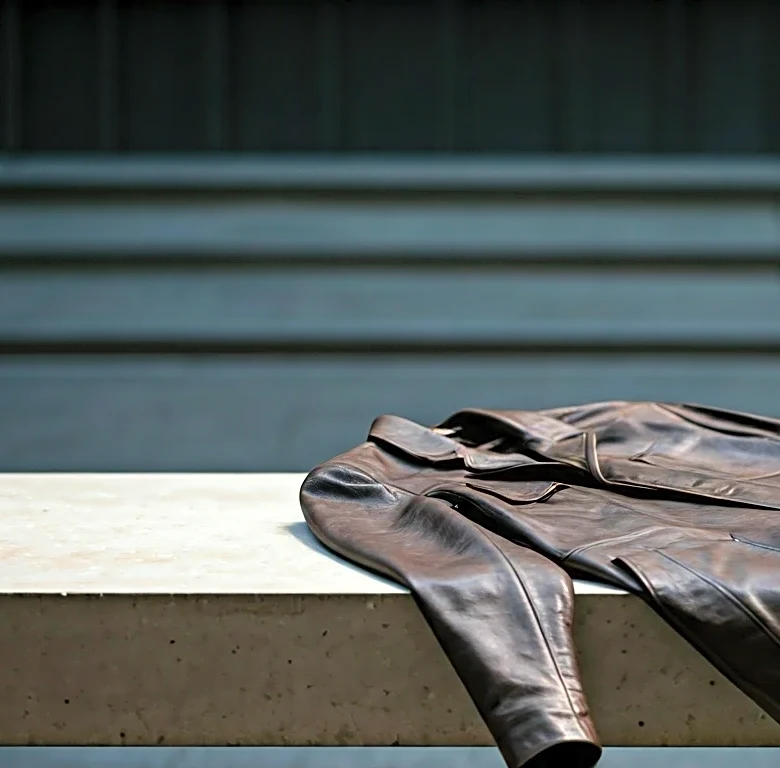





The Uniform of Contemplation
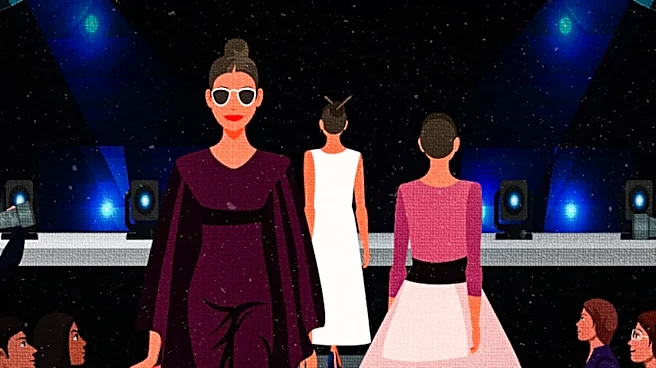
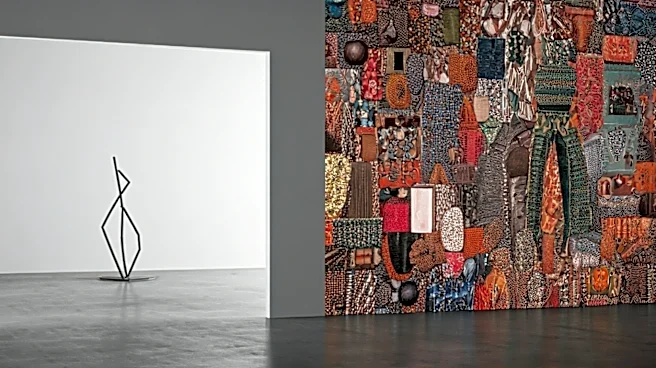
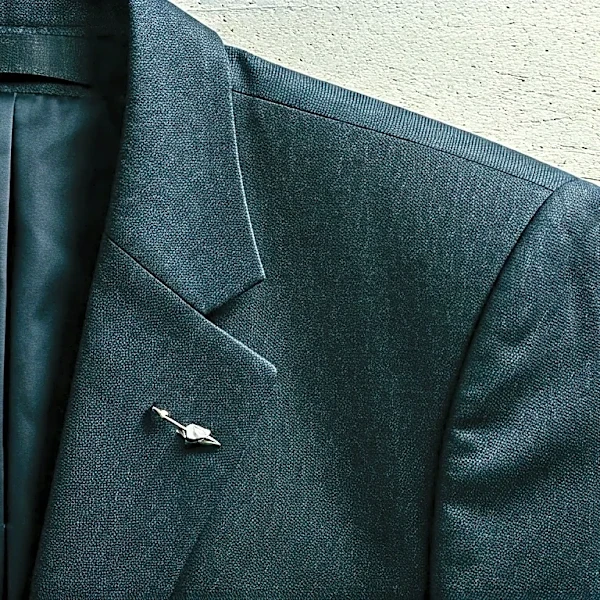
First, let’s picture the gallery minimalist. You know the look: a crisp, oversized blazer in bone or charcoal, wide-leg trousers that pool just so, a slicked-back bun, and maybe one piece of sculptural silver jewelry. The palette is relentlessly neutral.
The brands are iykyk (if you know, you know) status symbols like The Row, Jil Sander, or Totême—expensive, but without a logo in sight. This isn't just an outfit; it's a statement of intent. In the quiet, white-walled sanctuary of an art gallery, the environment dictates the dress code. The goal is not to be the center of attention, but to signal that you belong in a space dedicated to appreciating what’s on the walls. The clothing is architectural, intellectual, and serious. It says, “I am here to think, not to be looked at.” It’s a performance of taste rooted in restraint, where the ultimate flex is looking like you spent a fortune to be invisible.
The Performance of Personality
Now, pivot to the TikTok maximalist. The screen flashes to life with a fit that defies all traditional rules. A neon green faux-fur bucket hat sits atop hair dyed two different colors. A vintage floral dress is layered over a striped long-sleeve tee, paired with chunky platform boots and a dozen plastic rings. It’s a joyful, chaotic collage of textures, eras, and aesthetics, from Y2K revival to “weird girl” eclecticism. This style, often called “dopamine dressing,” is engineered for a completely different environment: the infinitely scrolling, attention-starved digital feed. On TikTok, you have approximately two seconds to make someone stop scrolling. Subtlety is death. Maximalism is a survival tactic. It’s a visual shout that communicates personality, creativity, and cultural fluency at lightning speed. It says, “Look at me, understand me, and engage with me—all before you swipe away.”
Environment is Everything
The core difference between these two tribes isn't just taste—it's their arena. The art world is built on exclusivity, context, and quiet authority. Its physical spaces are designed to remove distraction. A minimalist uniform complements this; it respects the art and signals an insider's understanding of the unspoken rules. Your quiet confidence is the accessory. The digital world, particularly TikTok, is the exact opposite. It's a hyper-democratic, noisy, and context-free-for-all. There are no walls, only an endless stream of content. To succeed, you must become the main event. A maximalist outfit is optimized for the front-facing camera. It’s designed to be legible on a tiny screen, to pop against a messy bedroom background, and to tell a complete story about its wearer in a 15-second clip. The clothing isn't an accessory to an experience; it *is* the experience.
Investment vs. Experiment
This split also reveals a fundamental difference in philosophy and economics. Gallery minimalism is rooted in the idea of the “investment piece.” It champions timelessness, quality craftsmanship, and a capsule wardrobe of items that will last for decades. It’s a slow, deliberate approach to consumption that often requires significant financial means. TikTok maximalism, by contrast, is a playground of rapid-fire experimentation. It thrives on thrift store hauls, fast-fashion finds, and DIY customization. The barrier to entry is low, and the emphasis is on creativity, not cost. An outfit might be worn once for a viral video and never again. While minimalism whispers about sustainable, long-term value, maximalism shouts about the accessible, fleeting joy of self-expression right now. One is about building a permanent collection; the other is about creating a temporary collage.