



The Power of FOMO and Limited Print Runs
First, let's define our terms. A variant cover is simply an alternative cover artwork for a standard comic issue. A convention-exclusive variant, however, is a comic that can only be purchased on-site during the four-day event. Publishers and retailers
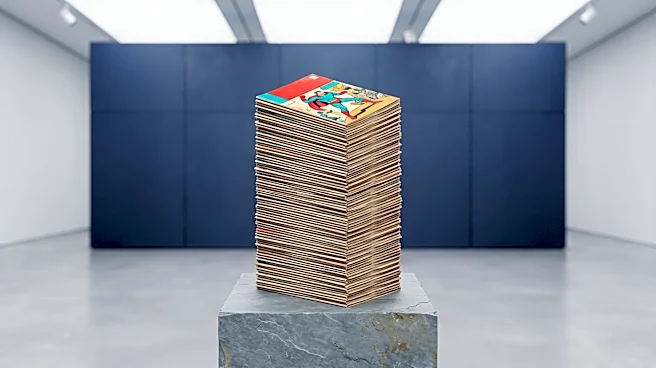
create these with deliberately limited print runs, sometimes as low as a few hundred copies. For NYCC 2026, exclusives for titles like 'Absolute Batman' were capped at just 1,000 copies. This manufactured scarcity is the foundational pillar of their value. Unlike a regular comic you can pick up at your local shop, these exclusives have a built-in rarity from the moment they are printed. This taps directly into the collector's primal fear of missing out (FOMO). If you don't get it at the Javits Center during that specific October weekend, your only other option is the much pricier secondary market.
From Con Floor to Online Marketplace in Minutes
The lifecycle of an NYCC exclusive is brutally fast. It's not uncommon for a comic bought for $30 at a publisher's booth to be listed on eBay for triple that price before the buyer has even left the convention hall. The secondary market has become an integral, real-time component of the convention experience. Pre-sales for sought-after exclusives even go live before the con doors open. For example, a 2026 NYCC exclusive variant for 'Absolute Batman' was already fetching around $100 in online resales before the event even began. This instant monetization transforms the comic from a piece of fan memorabilia into a tradable asset. The conversation shifts from "What's a cool cover?" to "What's my return on investment?" This phenomenon is fueled by a growing ecosystem of collectors who track market data with the seriousness of day traders, using services that analyze aftermarket sales to determine fair market value.
The Game-Changing Role of On-Site Grading
Perhaps the biggest factor professionalizing the variant market is on-site grading. Companies like CGC (Certified Guaranty Company), the official grading service for NYCC, have a massive presence at the show. Collectors can buy an exclusive comic, walk it over to the CGC booth, and have it graded and encapsulated in a protective plastic case—a process known as 'slabbing'. A comic's condition is graded on a 10-point scale, and a pristine 9.8 grade can exponentially increase its value. Some booths now even sell comics that are already graded and signed. This service formalizes the comic's value instantly. A raw, ungraded comic's condition is subjective; a slabbed 9.8 is a recognized standard. CGC has even started offering its own exclusive variants, free with a grading submission at the show, directly linking the act of collecting to the process of certification.
Big Two Buzz vs. Indie Breakouts
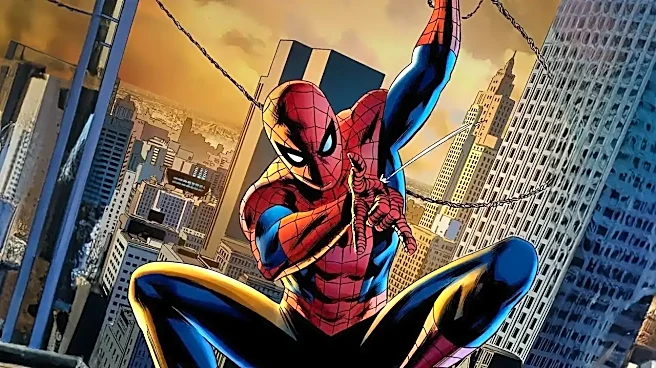
The strategy behind exclusives differs between publishing giants and independent creators. For Marvel and DC, variants for flagship characters like Spider-Man or Batman are marketing buzz, designed to dominate the convention's chatter. But for indie publishers like Image Comics or Boom! Studios, a hot exclusive can be a lifeline. A breakout hit, like 'Something is Killing the Children,' can use a series of compelling and rare NYCC variants to build a passionate fan base and generate market heat that rivals the Big Two. These indie exclusives often have even smaller print runs, creating intense demand. An exclusive for an indie title like 'Rascal Randy' might be limited to just 333 copies, making it an instant grail for dedicated fans and a high-risk, high-reward flip for speculators.