




The Spectacle Paradox
The mistake is a paradox: in an attempt to create a moment so huge it will dominate social media, producers and artists alike sometimes forget what made them compelling in the first place. The core error is when the production’s scale and complexity obscure
the artist’s unique charisma or the song's emotional weight. It's the difference between a performance that uses spectacle and a performance that is nothing but spectacle. We’re left remembering the flying rig, the army of holographic dancers, or theAR-generated monster, but the artist themselves becomes a small, replaceable part of their own multi-million dollar machine. The very thing designed to make them look larger-than-life ends up making them seem small.
Forgetting the Human Element
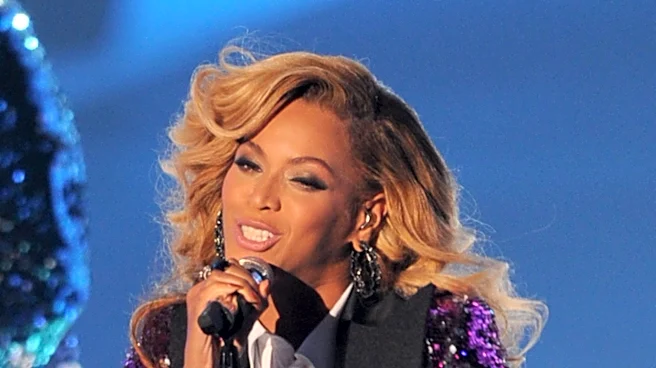
Iconic VMA moments are rarely about the size of the budget. They are about a raw, human connection that cuts through the screen. Think of Beyoncé’s 2011 performance of "Love On Top." The production was simple—a throwback, Motown-style stage and a sparkly tux jacket. The spectacle wasn’t in the set; it was in her flawless vocal delivery and the pure joy that culminated in her unbuttoning her jacket to announce her pregnancy. The moment was unforgettable because it was personal and human. Contrast that with performances where artists are tasked with navigating complex choreography across acres of LED-paneled floors while triggering visual effects. The focus shifts from expression to execution, and the audience can feel it. The performance becomes a technical marvel but an emotional vacuum.
Spectacle in Service of the Star
This isn't an argument against big productions. The VMA stage has always been a space for grand artistic statements. Michael Jackson's 15-minute medley in 1995 was a masterclass in spectacle, featuring intricate choreography and multiple costume changes. But every moonwalk, every costume change, and every guitar solo from Slash only served to amplify what was already there: Michael Jackson's unparalleled star power. Similarly, when Britney Spears performed "I'm a Slave 4 U" in 2001, the live tiger and the albino python were shocking accessories, not the main event. The focus remained squarely on Britney’s mesmerizing stage presence. The production enhanced her persona as a pop superstar who was both dangerous and in control. The mistake happens when this relationship inverts, and the artist is merely an accessory to their own production.
The Trap of 'Going Viral'
In the modern era, the pressure to create a meme-able, 'viral moment' is immense. This often leads to a philosophy where more is more: more dancers, more pyrotechnics, more set changes, more concepts crammed into three minutes. But this frenetic energy can backfire, resulting in a performance that feels disjointed and desperate. According to a former MTV executive, the show's mandate has always been to create chatter, putting "chaotic elements in the room" and letting go. Yet, there's a difference between organic chaos and meticulously planned spectacle that leaves no room for spontaneity. The performances that endure in pop culture memory—like Madonna’s controversial-for-its-time "Like a Virgin" in 1984 or Beyoncé’s epic "Lemonade" medley in 2016—weren’t just big; they were focused, thematically coherent, and deeply connected to the artist's narrative at that moment.