


On Thanksgiving Day 1976, The Band played their final concert. But it wasn't just a farewell show. With director Martin Scorsese, it became an event, a cinematic statement, and one of the greatest concert films ever made. Here’s how.
A Farewell Feast for the Ages
By 1976, The Band
was tired. After sixteen years on the road, first as a backing group for rockabilly singer Ronnie Hawkins and most famously for Bob Dylan, the wear was showing. Guitarist and principal songwriter Robbie Robertson, concerned about the toll of touring, proposed a grand final concert. The idea was to go out not with a whimper, but with a celebration. The chosen date was Thanksgiving, November 25, and the venue was San Francisco's Winterland Ballroom, where they had first performed as The Band years earlier. Promoter Bill Graham organized an actual Thanksgiving dinner for the 5,000 attendees, complete with turkey and all the trimmings, before the music even began. It was designed as an end-of-an-era party, but it would become something much more permanent.
Enter a Young, Ambitious Director
To simply record the show for posterity wasn't enough for Robertson. He wanted to capture it on film and had a specific director in mind: Martin Scorsese. Fresh off the success of 'Mean Streets' and 'Taxi Driver', Scorsese was known for his gritty style and his evocative use of rock music. Though he was busy and contractually obligated to another film, 'New York, New York', the allure of the project was too strong. The proposed guest list, which included legends like Muddy Waters, Van Morrison, and Bob Dylan, sealed the deal. Scorsese didn't just see a concert; he saw a movie. He began meticulously planning, creating a detailed 300-page shooting script that mapped out camera movements and lighting cues based on the song lyrics.
Shooting a Concert Like a Feature Film
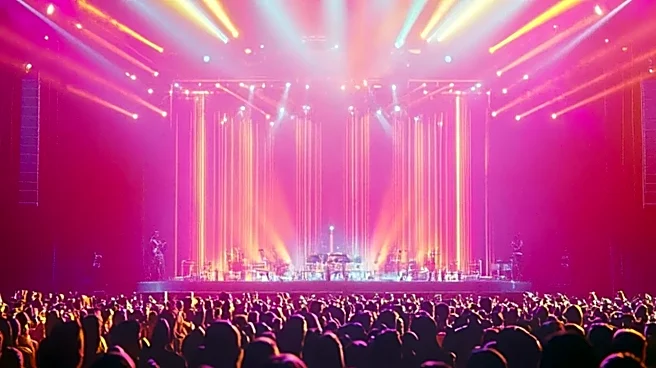
What set 'The Last Waltz' apart from other concert documentaries was Scorsese's cinematic approach. He rejected the grainy 16mm film typical of the genre and insisted on using pristine 35mm, the standard for Hollywood features. He assembled a dream team of seven accomplished cinematographers, including legends like Michael Chapman, László Kovács, and Vilmos Zsigmond. This wasn't a 'point-and-shoot' operation; it was a choreographed production. The stage at Winterland was dressed with chandeliers and sets from a San Francisco Opera production of 'La Traviata'. Scorsese’s cameras were choreographed, sweeping and moving to create a visual energy that compensated for the relatively static stage presence of the musicians. By largely keeping the audience out of frame, he created an intimate, immersive experience, placing the viewer right on stage with the performers.
An Unprecedented Gathering of Stars
The concert itself was a historic summit of 1970s rock royalty. The Band, masters of a roots-rock sound that stood in contrast to the era's psychedelic excess, served as the house band for their own farewell. They welcomed a parade of their heroes and peers to the stage, including Eric Clapton, Neil Young, Joni Mitchell, Ringo Starr, and the blues icon Muddy Waters. These weren't just cameos; they were full-throated collaborations that showcased The Band's versatility and the respect they commanded. Van Morrison delivered a famously energetic performance of 'Caravan', while Neil Young and Joni Mitchell joined forces for a haunting rendition of 'Helpless'. The night culminated in a jam session that featured Bob Dylan, their most iconic collaborator, cementing the event's legendary status.
Crafting the Legacy in the Edit
The concert was only the beginning. Scorsese interspersed the live footage with interviews he conducted with the band members, giving the film a narrative structure and a reflective, almost elegiac tone. He also filmed several performances on a studio soundstage after the event, allowing for more controlled, dynamic camera work. The stunning version of 'The Weight' featuring The Staple Singers, for instance, was captured on a soundstage, not at Winterland. This hybrid approach—part concert, part interview, part studio performance—is what elevates 'The Last Waltz'. It is not just a recording of an event; it is an interpretation of it, a story about the end of a musical journey. Released in 1978, the film set a new standard for what a concert movie could be: a work of art in its own right.