





The Powerful End of 'Toy Story 4'
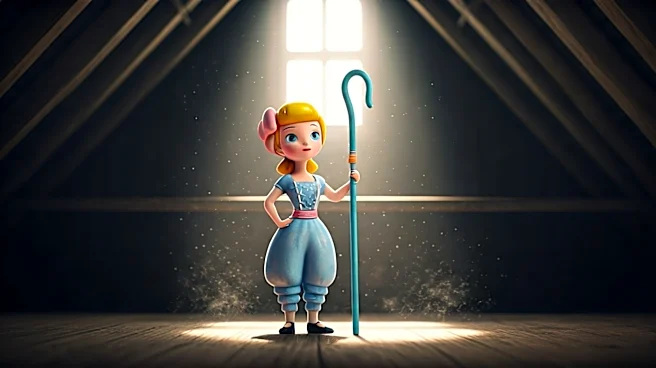
To understand the problem, we have to go back to the end of *Toy Story 4*. For many, it felt like a definitive conclusion. After being unceremoniously written out of *Toy Story 3* (sold in a yard sale, as Woody grimly recalled), Bo Peep returned not as a damsel
in distress, but as a hardened, independent survivor. She was a “lost toy,” and she embraced it. She wasn't waiting for a kid to give her purpose; she was making her own at a carnival, helping other toys find new homes. Her philosophy was a radical departure from the franchise's core ethos. For three movies, the highest calling for a toy was to be loved by a child. Bo Peep presented a compelling alternative: a life of freedom, self-determination, and community outside the confines of a kid’s bedroom. The film’s emotional climax wasn't just a reunion; it was Woody making a profound choice to leave his family—Buzz, Jessie, and the rest of the gang—to join Bo in this new life. It was a graduation, not a cliffhanger.
The Question Nobody's Asking
The announcement of *Toy Story 5* immediately sparks logistical questions: How do Woody and Bo get back to the main group? What threat could possibly reunite them? But the real, forgotten question is much deeper: *Why would Bo Peep ever want to go back?* Her entire arc in the fourth film was about moving beyond the very world Woody represents. She found happiness and purpose away from the anxieties of being owned, played with, and eventually outgrown. Forcing her back into a plot that revolves around Andy’s, or now Bonnie’s, toys would feel like a massive regression for her character. It risks betraying the powerful statement *Toy Story 4* made about finding your own path. Is she supposed to just abandon her mission of helping lost toys at the fairground because Buzz Lightyear calls with a new problem? It makes her look fickle and undermines the strength she spent an entire movie building.
It's Woody's Problem, Too
This isn't just about Bo. Woody’s choice to stay with her was arguably the most significant decision he’s ever made. For over two decades of screen time, Woody’s identity was inextricably linked to his owner and his role as the leader of the bedroom toys. His decision to become a “lost toy” himself was the culmination of his journey, finally prioritizing his own happiness over his perceived duty. If *Toy Story 5* begins with Woody and Bo simply rejoining the gang for another adventure, it cheapens that sacrifice. It reframes his life-altering decision as a temporary sabbatical rather than a new beginning. Are we to believe that after finally breaking free, his first instinct is to dive right back into the world he left behind? It creates a narrative trap where either his choice in *Toy Story 4* was meaningless, or his motivation for returning in *Toy Story 5* will feel flimsy and unearned. The emotional weight of the entire franchise hangs in the balance.
Pixar's High-Stakes Narrative Gamble
This puts Pixar's writers in an incredibly tough spot. They have a few difficult paths forward. They could create a story that primarily follows Buzz and the old gang, with Woody and Bo making a limited appearance. This might preserve the integrity of their ending but would surely disappoint fans who expect Woody to be the protagonist. Alternatively, they could invent a catastrophe so huge that it’s the only thing that could pull Woody and Bo back into their old lives. While possible, this approach often feels like a narrative cheat code, a plot device designed solely to force a reunion rather than letting one happen organically. The most challenging, and potentially most rewarding, route would be to craft a story that fully embraces Woody and Bo’s new reality as lost toys, making their independent world the central stage for the new conflict. This would respect the previous film's ending while still allowing for a fresh adventure, but it’s a delicate tightrope to walk.