


Feel the Fabric First
Before you even check the size, feel the denim. Quality jeans are made from fabric that feels substantial and dense. A higher fabric weight, often measured in ounces (oz), generally points to a more robust and durable material that will hold its shape
over time. While lightweight denim has its place, a premium pair often starts with a sturdy hand-feel. Some high-end jeans use selvedge denim, identifiable by the clean, finished edge on the inside of the outseam, often visible when you cuff the leg. This traditional weaving method produces a denser, more durable fabric that is less prone to fraying.
Examine the Stitching
The seams are a dead giveaway of construction quality. Look for tight, even, and consistent stitches. A higher number of stitches per inch (SPI), typically in the 7-11 range for well-made pairs, indicates a stronger, more resilient seam. Mass-produced jeans often use fewer stitches to save time, which can lead to weaker construction. Also, check for chain stitching, especially on the hem. This looping stitch, which looks like a chain on the underside, is prized by denim enthusiasts for the unique “roping” fade it creates as the jeans wear in. It's a subtle sign that the maker prioritized character over cutting costs.
Inspect the Hardware
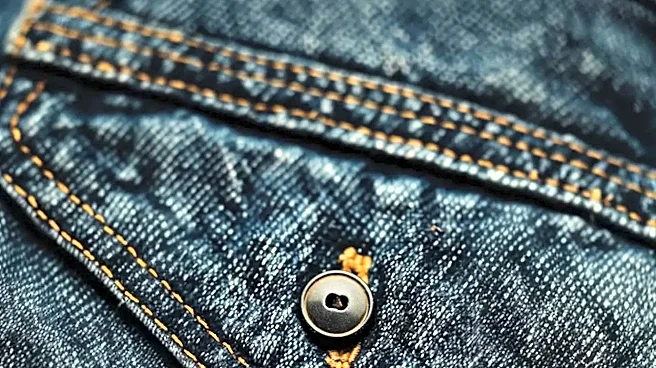
The buttons, rivets, and zippers on a pair of jeans are not just functional; they are critical stress-point reinforcements. Quality hardware should feel solid and be made from sturdy metals like copper or brass, not flimsy alloys. The main waistband button, often a “tack button,” should be firmly attached with no wobble. Rivets, the small metal studs on pocket corners, are a classic feature patented in 1873 to prevent tearing. On high-end pairs, you might even find “hidden rivets” on the back pockets, which are visible from the inside but covered by denim on the outside—a heritage detail that signals superior craftsmanship.
Look for Buried Reinforcements
Beyond the obvious rivets, look for smaller signs of reinforcement. One key detail is the bar tack, a tight group of zigzag stitches used to secure high-stress areas like belt loops and pocket corners. While rivets were the original solution, bar tacks are a modern, heavy-duty alternative used to anchor points that see a lot of pulling and strain. Also, well-made jeans often feature raised belt loops, which are folded and stitched to create a raised profile. This makes them significantly more durable and less likely to rip off than flat-sewn loops.
Check the Pockets and Seams Inside
The true quality of a garment is often revealed on the inside. Turn the jeans inside out and inspect the seams and pocket bags. High-quality jeans often use flat-felled seams on the inseam or yoke, where two rows of stitching encase the raw fabric edge. This creates a clean, incredibly strong seam that won't fray or irritate the skin. Also, reach into the front pockets. The pocket bags should be made of a sturdy, thick cotton twill or herringbone fabric. If the material feels thin, see-through, or synthetic, it's a corner that was cut, and it will likely be the first thing to tear.