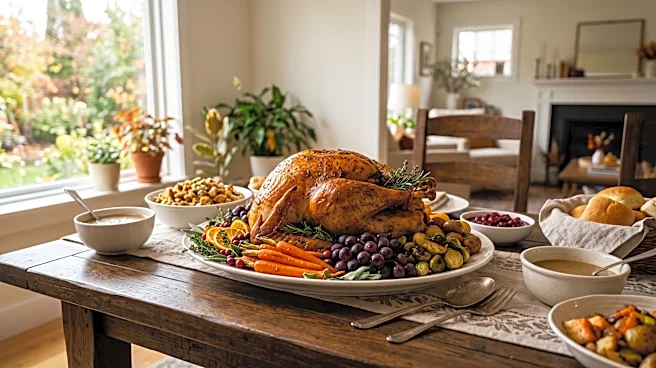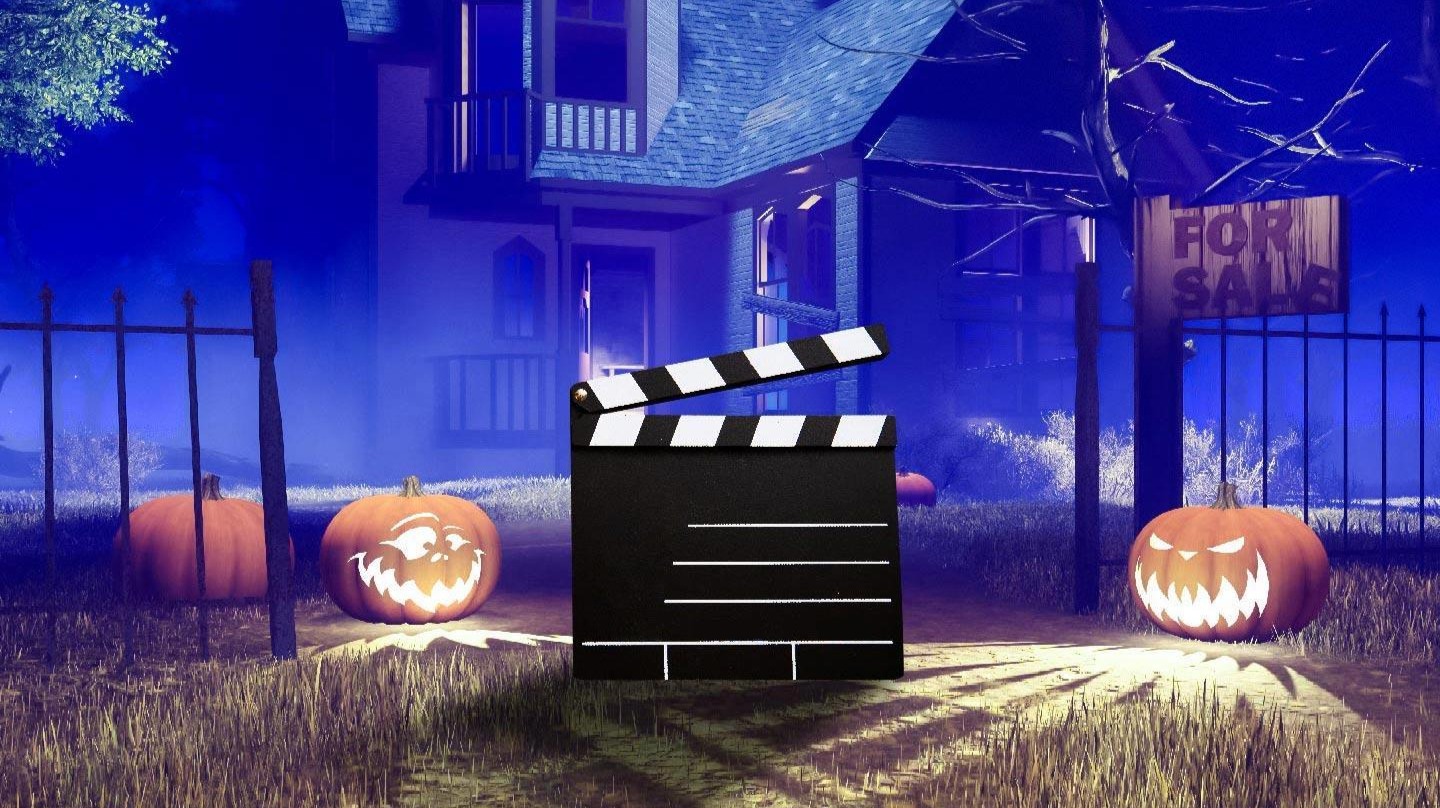



When you think of Thanksgiving, you probably picture turkey, family, and football—not a masked killer. Yet, a small but potent subgenre of horror films uses this holiday of gratitude as a surprisingly effective backdrop for terror and suspense.
Anxiety on the Menu
More than
any other holiday, Thanksgiving thrives on the illusion of perfect harmony. This forced cheerfulness creates a foundation of tension that horror filmmakers eagerly exploit. For many, the holiday is an annual exercise in emotional endurance, filled with resurrected family arguments, intrusive questions, and the pressure to perform happiness. Horror films simply take that simmering resentment and give it a physical form. The genre thrives on subverting settings of comfort and safety; by turning a symbol of family togetherness into a landscape of fear, these movies hit an uncomfortably familiar nerve. The holiday's focus on carving and consumption also provides a ready-made, grisly visual language for filmmakers to corrupt.
A Spectrum of Scares
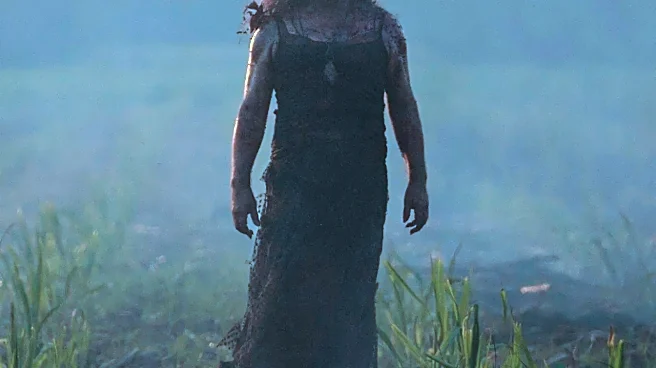
Thanksgiving horror operates on a sliding scale from ridiculous camp to genuine dread. On one end, you have 'ThanksKilling', a cult classic about a homicidal turkey that unleashes cheesy one-liners and gore in equal measure. It’s intentionally bad, designed for rowdy viewing with friends. On the other end are films that generate real suspense. 'Kristy' uses the eerie emptiness of a college campus during Thanksgiving break to create a tense and isolating cat-and-mouse thriller. Another slasher, 'Blood Rage,' finds its horror in deep-seated family dysfunction, as twin brothers—one wrongly institutionalized for a murder the other committed—reunite for a holiday dinner that descends into a bloodbath.
The Modern Thanksgiving Nightmare
More recently, Eli Roth’s 'Thanksgiving' updated the formula by shifting the focus from historical anxieties to modern ones. The film, which originated as a fake trailer in 2007's 'Grindhouse,' finds its inciting incident not in colonial history, but in the consumerist chaos of a Black Friday riot that turns deadly. A year later, a killer wearing a John Carver pilgrim mask begins exacting revenge on those involved in the tragedy. The film blends sharp, brutal kills with dark social satire, critiquing how the holiday has morphed from a moment of gratitude into a prelude for rabid consumption. By setting the story in Plymouth, Massachusetts, the birthplace of the holiday, Roth adds another layer of commentary on the corruption of American tradition.
Subverting Holiday Symbols
The core power of Thanksgiving horror lies in its ability to defile the sacred symbols of the holiday. The John Carver mask in 'Thanksgiving' turns a figure from national folklore into a terrifying omen. The feast itself becomes a grotesque spectacle, with one scene featuring an immaculately roasted human corpse presented like a turkey. Even something as mundane as a convenience store run becomes fraught with peril in 'Kristy'. This twisting of familiar, comforting icons is what makes holiday horror so effective. It takes the known and makes it menacing, transforming symbols of warmth and community into instruments of punishment and terror. The juxtaposition of festive cheer with shocking violence creates a uniquely unsettling experience.