

From Channel Surfing to Scroll Fatigue
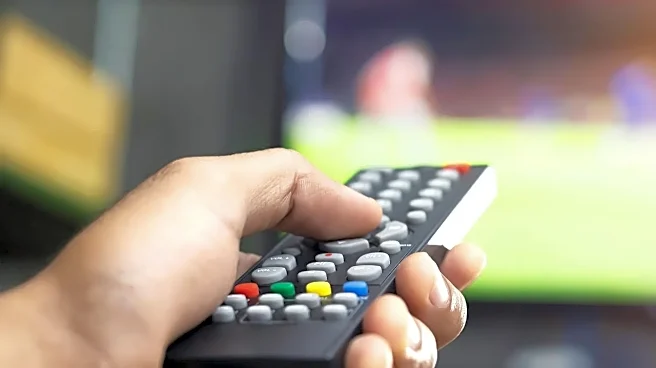
The original “nothing is on” was a problem of passive disappointment. You’d flip through a finite, professionally curated list of channels, hoping for serendipity. The modern version is an exhausting, active hunt. Instead of channels, we have infinite,
algorithm-driven libraries. This has given rise to “choice paralysis,” a well-documented phenomenon where an excess of options leads to decision-making fatigue. Some studies have found viewers spend over 10 minutes every session just trying to decide what to watch, a ritual that often ends in frustration or giving up entirely. The laid-back channel surf has been replaced by a high-stakes, scroll-induced anxiety. We’ve traded the mild boredom of a limited menu for the stress of an endless buffet where we feel responsible for finding the perfect meal.
Your Wallet Feels the Difference, Too
A decade ago, cutting the cord was a celebrated money-saving hack. In 2026, the math has flipped. To access the same breadth of content that a premium cable package once offered—prestige dramas, blockbuster movies, live sports, and network sitcoms—you now have to juggle multiple subscriptions. And their prices keep climbing. In the first half of 2026 alone, services like Netflix, YouTube Premium, and others have hiked their rates. A standard ad-free Netflix plan now pushes $20 a month, and many former cord-cutters find their collection of individual streaming bills easily surpasses the cost of their old cable bill. The complaint that “nothing is on” is now tinged with financial guilt; it’s one thing to be bored when it’s all included, but it’s infuriating to feel bored while paying for five separate services.
The Loss of a Shared Culture
The old cable model, for all its flaws, created a cultural commons. Even if you felt “nothing was on,” millions of others were watching the same big game, the same awards show, or the same season finale of a hit show. It fueled Monday morning conversations at the office water cooler. Today, our viewing habits are intensely personal and fragmented. The algorithm serves you a niche documentary while your coworker gets a Korean drama and your neighbor binges a reality competition. While event television still exists, it's spread across numerous platforms, diluting its impact. The complaint isn’t just that you can’t find something to watch, but that you can’t find the thing everyone is watching. The communal bonfire has been replaced by millions of individual candles, leaving our shared cultural landscape feeling darker and more isolated.
The Last Stand: Live Sports Gets Complicated
For years, the one thing keeping many subscribers tethered to cable was live sports. It was the industry’s moat against the streaming hordes. But by 2026, that moat has been drained and carved into a dozen different, expensive canals. Major sports leagues have sliced and diced their broadcast rights, scattering games across traditional networks, cable channels, and a dizzying array of streaming-only platforms. Want to follow your home team? You might need a cable login for one game, a Prime Video subscription for another, and a Peacock plan for a third. The simple act of turning on the game has become a research project, further cementing the feeling that even when something is on, it’s frustratingly out of reach.