


So, What Is a 'Cap'?
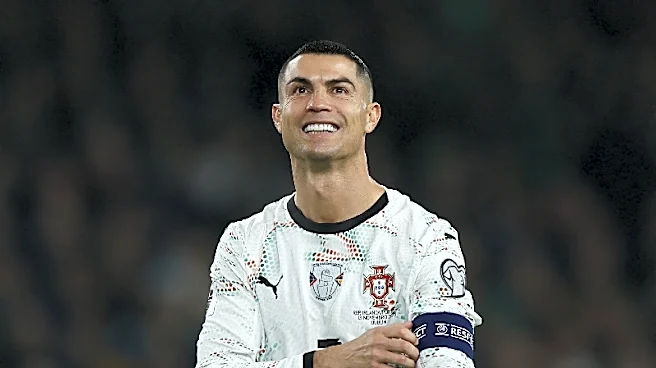
In the simplest terms, a “cap” is a player’s appearance in an international game for their country. When a player from the U.S. Women's National Team takes the field against Brazil, she earns one cap. If she plays again the next week, she earns another. The total number of caps a player accumulates becomes the standard measure of their international career. So, when you hear that Cristiano Ronaldo has over 200 caps for Portugal, it means he has represented his nation in more than 200 official matches—a staggering achievement that speaks to his longevity, consistency, and importance to the team. The term is most common in soccer and rugby, but it serves the same purpose everywhere: it’s a tally of honor.
It Started with a Literal Hat
The tradition is not just a metaphor; it began
with actual, physical headwear. The practice dates back to Great Britain in the late 19th century. On May 10, 1886, the founder of the famous amateur club Corinthian F.C., N.L. “Pa” Jackson, proposed at a Football Association (FA) meeting that all players who represented the English national soccer team should receive a tangible honor. His idea was simple and elegant: award each player a white silk cap embroidered with a red rose. The proposal was a hit. Players selected to play for England were literally given a cap to commemorate the achievement. It was a formal, physical memento of having reached the pinnacle of the sport in their country. Other British nations, like Scotland, Wales, and Ireland, quickly adopted their own versions, often with unique colors and emblems. The idea was so effective that it also took hold in the world of rugby, where the tradition remains just as strong.
From Physical to Figurative
Over time, as international sports became more professional and frequent, the administrative task of handing out a physical cap for every single appearance became impractical. While the tradition of awarding a special cap for a player's debut or for a major milestone (like a 50th or 100th appearance) continues in many nations, the term itself evolved. “Earning a cap” became the standard shorthand for playing in an international match. The physical object became a symbolic concept. It no longer mattered if a player had a room full of embroidered hats. What mattered was the number next to their name. This figurative meaning allowed the term to become a universal piece of sports language, understood from the fields of South America to the stadiums of Europe and beyond.
A Symbol of Ultimate Prestige
Why does this one word carry so much weight? Because it represents something club success, money, and individual awards can't buy: national honor. A player can be a superstar for a wealthy club like Real Madrid or Manchester City, but earning a cap means they were chosen as one of the very best to represent their entire country. It’s a validation that transcends team payrolls and league tables. For players, it’s a source of immense pride for themselves and their families. For fans and historians, it’s the ultimate benchmark of a player’s international legacy. The title of “most-capped player” is a revered record, signifying a career of incredible endurance and unwavering excellence at the highest level of the game. It’s a direct link to a nation’s sporting history, placing a player in the same lineage as the legends who came before them.