





The Critic vs. The Crowd
First, it helps to understand what you're looking at. The critic score, or Tomatometer, represents the percentage of positive reviews from professional critics. The Audience Score is the percentage of users who rated the film 3.5 stars or higher. While
critics are paid to analyze a film's artistic merit—its cinematography, writing, and direction—audiences are rating something far more personal: their enjoyment. And what constitutes an "enjoyable" experience changes dramatically depending on what you're signing up for.
Horror: A Visceral Report Card
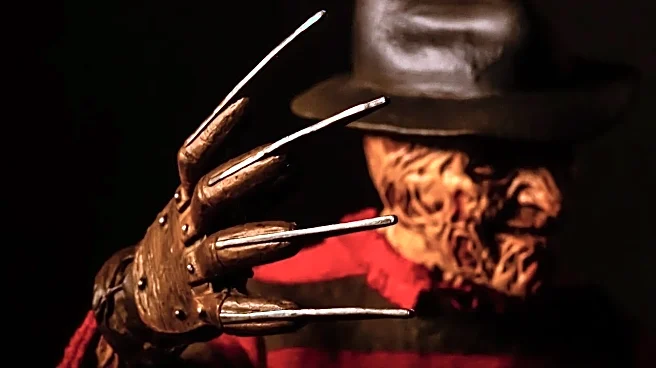
For horror fans, a movie's success is often measured by its visceral impact. Did it scare you? Was the gore effective? Did it create a lingering sense of dread? Horror is a genre built on a specific promise, and its loyal fanbase judges a film on its ability to deliver that thrill. This is why some horror films that critics dismiss as crude or poorly paced can earn high audience scores; they deliver the goods for the intended viewer. In fact, a film that critics call “unsettling” or “disturbing” can be a ringing endorsement for a horror aficionado seeking a potent experience. The audience score becomes less a measure of objective quality and more a badge of genre authenticity. A low score might simply mean the film was too intense for general audiences, a feature, not a bug, for dedicated fans.
Prestige Drama: The Weight of Expectation
Prestige dramas operate under a completely different set of expectations. These are the films and shows positioned as important works of art, often featuring A-list actors, auteur directors, and complex, serious themes. They are built to win awards and command cultural respect. The audience for these projects is often primed by critical buzz and expects a transcendent experience: powerful acting, profound storytelling, and emotional depth. Anything less can feel like a failure. Where a horror fan might forgive clunky dialogue if the scares land, a drama viewer is scrutinizing every element for perfection. A middling audience score for a prestige film suggests it failed to deliver on its lofty artistic promises, leaving viewers feeling that their time wasn't rewarded with the emotional or intellectual payoff they were sold.
The Passion of the Niche vs. The Mainstream
The gap between scores also reveals how different audiences engage with films. The horror community is a passionate, self-contained niche. They actively seek out films within their genre and champion them, sometimes leading to high audience scores for movies critics pan. Conversely, many critically-acclaimed dramas fail to connect with a broader viewership. A film like "The Witch" scored 90% with critics who praised its atmospheric tension and family drama elements, but it landed a 53% audience score from viewers who found it slow and boring. Audiences expected a straightforward scary movie and instead got a slow-burn historical piece. This disconnect between critical praise and mainstream taste shows that an audience score isn't just about whether a movie is "good," but whether it meets the expectations of the specific crowd that shows up to watch it.