
The Blueprint of Modern Terror
You can’t talk about possession movies without starting with the one that defined the genre for generations: The Exorcist. When it hit theaters in 1973, it wasn't just a film; it was a cultural event that left
audiences terrified and mesmerized. It masterfully blended the sacred and the profane, setting a template that filmmakers still follow today. The story of a desperate mother turning from science to faith to save her daughter created a powerful narrative crossroads. It positioned possession not just as a supernatural assault, but as a crisis of belief in a modern world that had begun to question everything. This fundamental conflict—medicine versus miracles, psychiatry versus prayer—is a core reason the subgenre endures. It provides a dramatic, high-stakes battleground for ideas that are as relevant today as they were 50 years ago.
Our Ultimate Fear: Losing Ourselves
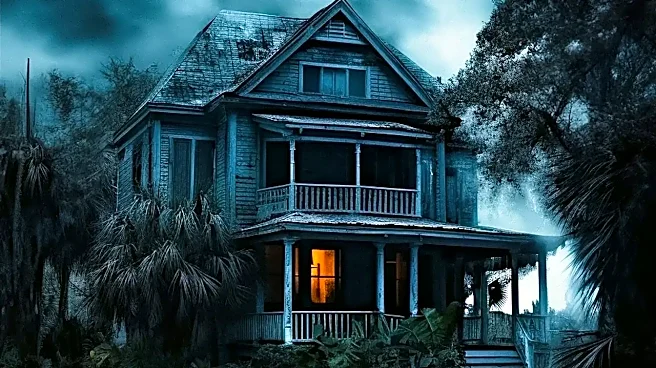
Beyond the religious iconography and jump scares, the true horror of possession lies in its exploration of a universal human fear: the loss of control. These stories are about more than just demons; they're about the terror of losing your own mind, your body, and your identity. The possessed person becomes a passenger in their own skin, their autonomy stripped away by an invading force. This taps into deep-seated anxieties about mental illness, addiction, and the fragility of our own consciousness. In a world filled with chaos we can't manage, the possession narrative offers a visceral, supernatural metaphor for that feeling of powerlessness. It dramatizes the ultimate hostile takeover, turning a person's body into a haunted house where the ghost is an external evil that has moved inside.
A Reliable and Terrifying Formula
There’s a narrative comfort in the possession formula, even as it terrifies us. The structure is almost ritualistic: a normal family, a strange initial incident, escalating paranormal events, the failure of conventional explanations, and finally, the climactic confrontation of an exorcism. This reliable framework allows audiences to know what they're getting into, building anticipation and dread along a familiar path. The films often focus on an innocent, usually a child, which heightens the stakes and the sense of violation. The recent wave of possession films, from The Conjuring universe to indie hits like When Evil Lurks, has proven how adaptable this formula is. Whether it's a slow-burn psychological horror or a frantic, effects-driven spectacle, the core journey from normalcy to supernatural warfare provides a consistently satisfying and scary experience for audiences.
A Mirror to Modern Anxieties
Horror genres often act as a mirror to the anxieties of their time. Just as 1950s monster movies reflected Cold War fears, the recurring popularity of possession films speaks to our contemporary worries. Some analysts suggest the genre resonates in an age where our identities feel fractured by technology, where our digital lives exist outside our physical control, almost as if our souls can be hacked. It also reflects a society grappling with a decline in traditional faith while still being fascinated by its symbols and moral battles. The imagery of crosses, holy water, and demonic figures remains potent even in a secular world. As long as we feel that external forces—be they economic, political, or technological—are encroaching on our sense of self, the idea of a literal demon taking control will remain a powerful and frighteningly relevant metaphor.