
First, What Is Aspect Ratio?
Think of it as the shape of the canvas a director paints on. Expressed as a ratio of width to height, it determines the dimensions of the image you see. For decades, choices were limited. Early cinema used a nearly square 4:3 (or 1.33:1) frame, now known
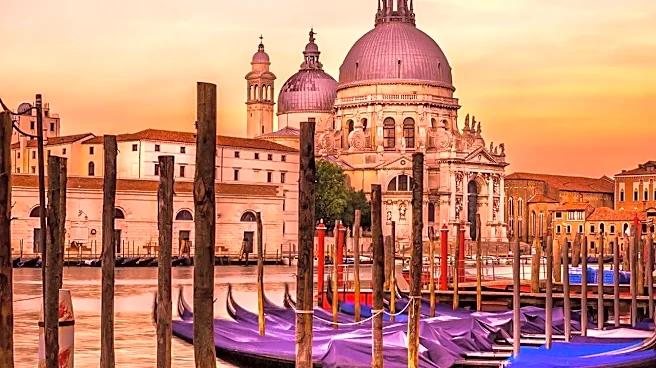
as the Academy ratio. To compete with television in the 1950s, Hollywood went wide, introducing formats like CinemaScope (around 2.39:1) to create epic, panoramic vistas that a TV set couldn't replicate. For a long time, a director simply chose one format and stuck with it. Today’s standard for your TV or monitor is 16:9, a widescreen format that balances cinematic and broadcast needs. But a new generation of filmmakers, the kind whose ambitious works grace festivals like Venice, are treating the frame as a dynamic tool, not a static box.
The Shrinking Frame as a Cage
One of the most powerful trends is the return of the boxy, old-fashioned 4:3 Academy ratio. But it’s not for nostalgia. In the hands of a modern director, this narrow frame can create intense feelings of claustrophobia and confinement. By limiting your peripheral vision, the filmmaker forces your focus onto a character's face, magnifying their emotional state. A character trapped in a difficult situation might literally be trapped in a tighter frame, making the audience feel their unease. It can also be used to signify a memory or a different time period, using the visual language of old television and home movies to transport the viewer into the past. Instead of feeling grand and cinematic, the effect is intimate, personal, and sometimes deeply uncomfortable—exactly as intended.
Expanding the Screen as Freedom
If a tight frame can represent confinement, then breaking out of it can signify liberation. Some of the most memorable uses of aspect ratio in recent cinema involve a dramatic shift within the film itself. A movie might spend its entire first act in a restrictive 4:3 frame, only to burst open into glorious widescreen at the exact moment a character experiences a breakthrough, falls in love, or arrives in a fantastical new world. Director Sam Raimi famously used this trick in Oz the Great and Powerful, where the black-and-white, 4:3 prologue expands into vibrant, widescreen color as the protagonist lands in Oz. It’s a powerful, visceral trick that directly connects the visual format to the character’s journey. The widening of the screen becomes a literal and metaphorical expansion of their world, generating a sense of awe and possibility that dialogue alone could never capture.
A New Language for a New Era
This deliberate manipulation of the frame has become a hallmark of the formally ambitious filmmaking celebrated at top-tier festivals. Directors are no longer just telling stories; they are actively controlling the very shape of the window through which we see them. Wes Anderson, a festival regular, uses meticulously composed, shifting ratios to organize his whimsical worlds and signal shifts in time. Other filmmakers use the technique to delineate between different perspectives or states of reality. It has become a sophisticated part of cinematic language, a way to guide the audience's emotional and psychological experience without a single word. As critics and audiences take in the latest offerings from Venice, this technique is undoubtedly at play, hiding in plain sight. The shape of the story is, quite literally, the shape of the screen.