



The Director as Visual Architect
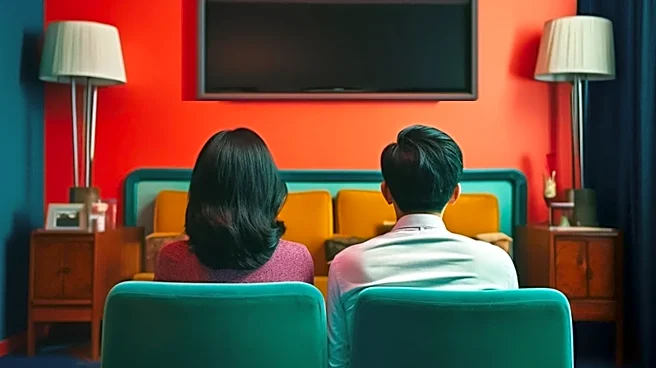
Think of the director of a pilot episode as the primary architect of a new world. Unlike a film director who tells a complete story in two hours, or an episodic TV director who works within an established system, the pilot director has a dual mandate.
First, they must make a compelling, standout episode that gets the series picked up. Second, and more importantly for the long run, they must create a durable and repeatable visual template that every subsequent director can follow. They are responsible for how the entire series will look and feel, establishing a 'visual bible' that dictates the rules of the show's universe. This task is pivotal; it sets the tone and style for what could be years of television.
The Language of the Lens
The core of a show's visual grammar lies in its 'cinematography'—a fancy term for everything the camera does. The pilot director makes foundational decisions that define this language. Will the camera be a restless, handheld observer, creating a sense of immediacy and realism like in Friday Night Lights? Or will it be elegant and locked down, giving a feeling of stately importance as seen in The Crown? The choice of lenses is equally crucial. Wide lenses can emphasize a character's isolation in a vast environment, while tight close-ups can create intimacy or claustrophobia. These choices, along with shot composition and framing, aren't just for making pretty pictures; they are storytelling tools that support the script's themes and character arcs.
A Masterclass in Color and Mood
Color and lighting are two of the most powerful tools for establishing mood. A veteran director works with the cinematographer and production designer to build a specific palette that becomes synonymous with the show. Think of the sickly, sodium-vapor yellow-greens of Breaking Bad's meth-fueled world, or the sun-bleached, hazy look of a California noir. These aren't happy accidents found on the day of shooting. The color palette is determined in pre-production and applied consistently in lighting, set design, wardrobe, and post-production color grading. Lighting shapes how we perceive characters and spaces—are they shrouded in menacing shadows or exposed in harsh, clinical light? This careful manipulation of tone is essential to the show's emotional impact.
Passing the Creative Baton
Once the pilot is complete, the director's visual rules must be passed on. This is where the 'show bible' or style guide becomes critical. This document, often featuring detailed notes, storyboards, and reference images, breaks down the established grammar for future directors. It might specify the types of lenses to use, rules about camera movement (e.g., "we only use dolly moves for moments of emotional revelation"), and the approved color palette. To ensure these rules are followed, many shows employ a 'producing director.' This is often a veteran director who stays with the series, guiding episodic directors and acting as the guardian of the show's visual consistency. They ensure that episode eight, directed by a newcomer, feels like it belongs in the same universe as the pilot.