





Philosophy: The Why Behind the Wear
The most significant difference isn't visual; it's philosophical. Quiet luxury, also known as 'stealth wealth,' is an intentional choice to wear exceptionally high-quality, unbranded clothing to signal taste and status to a select few. It's a form of
sartorial code-switching. The wearer knows their Loro Piana sweater is a piece of art, and they assume that people in their circle will recognize its quality without needing a logo. The value is in the anonymity and the insider knowledge. Just wearing beige, on the other hand, is often about something else entirely. It can be a choice of convenience, a desire for a simple and easy-to-match wardrobe, or an aesthetic preference for minimalism. There's no inherent signaling of wealth. It’s the sartorial equivalent of a blank canvas—functional, clean, and unassuming. The intent isn't to broadcast subtle opulence; it's simply to get dressed.
Material and Craftsmanship: The Feel Test
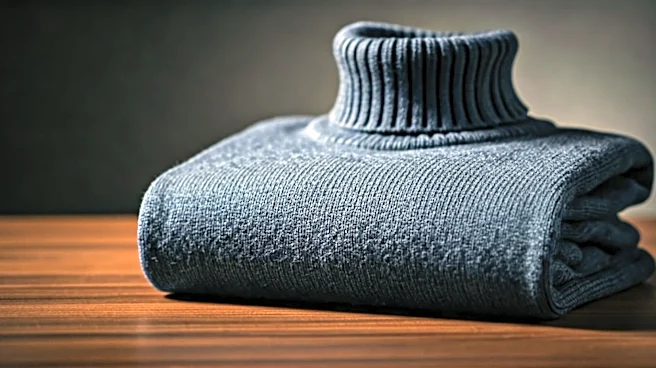
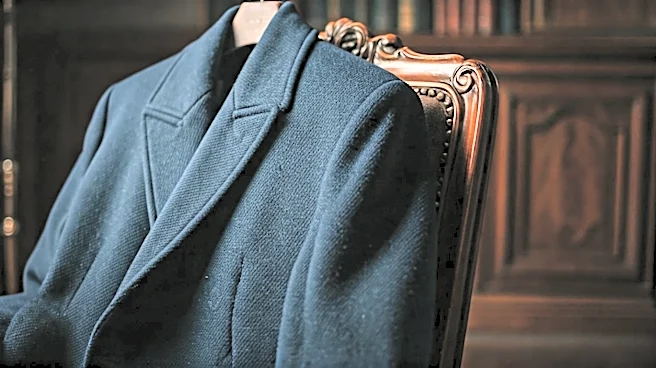
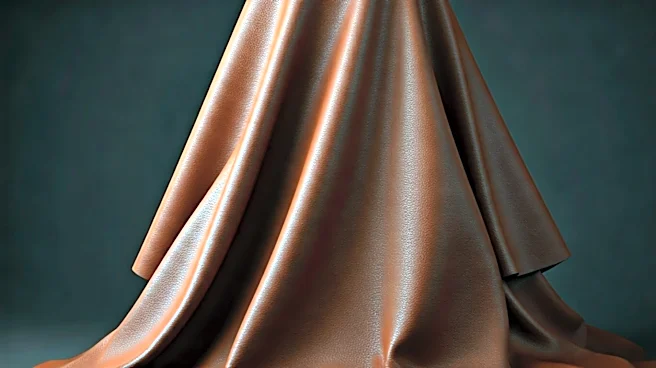
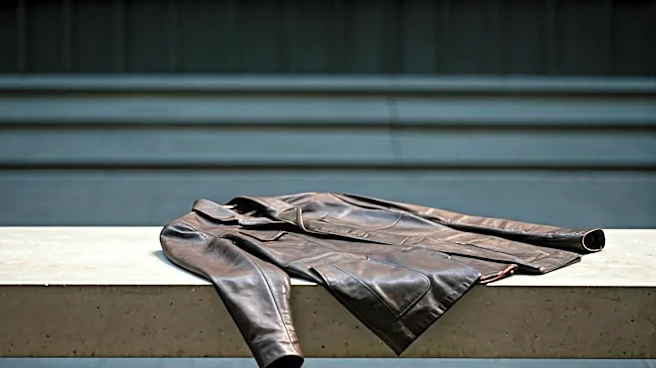
Here's where the difference becomes tangible. Quiet luxury is defined by its materials. Think of the softest cashmeres, heavy silks that drape perfectly, fine-gauge merino wool, and buttery-soft leathers. The focus is on fabrics that not only feel incredible against the skin but also hold their shape and age beautifully. Stitching is immaculate, seams are flawless, and the garment is constructed to last for decades, not just a season. It’s the difference between a coat that hangs perfectly off the shoulder and one that just… hangs.
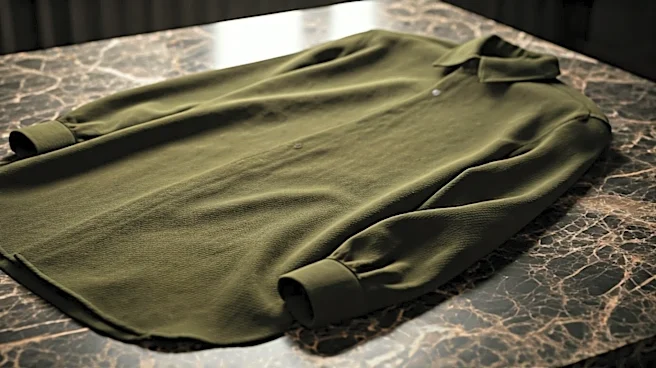
Beige basics from a mainstream or fast-fashion brand are typically made from standard materials like cotton, polyester blends, or acrylic. While functional, they lack the sensory richness and longevity. The fabric might be thinner, the knit looser, and the construction simpler. The goal is accessibility and trend-responsiveness, not heirloom quality. You can often feel the difference before you can even see it.
Silhouette and Fit: The Power of the Cut
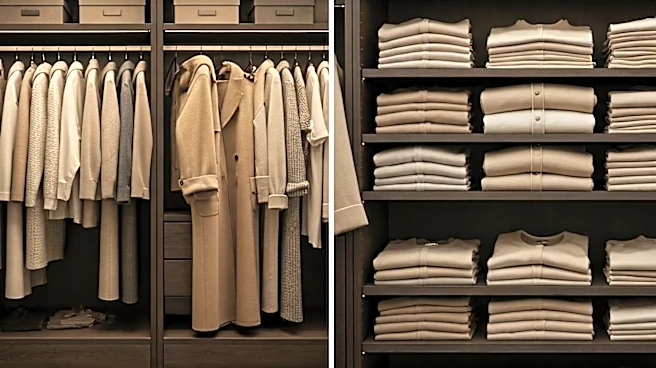
A key tenet of quiet luxury is timeless tailoring. The silhouette is classic and refined—a perfectly cut trouser, a structured-yet-relaxed blazer, a simple knit dress that follows the body's lines without clinging. The fit is paramount. These pieces aren't necessarily form-fitting; they often have a relaxed elegance, but every line is considered. The proportions are deliberate, creating an aura of effortless polish. It’s a look that feels both modern and immune to fleeting trends.
Conversely, a wardrobe of 'just beige' can often lack this focus on silhouette. The fit might be generic—a standard-issue crewneck sweatshirt, basic straight-leg khakis, or a simple t-shirt. While there's nothing wrong with these staples, they are designed for mass appeal, not for a specific, tailored effect. The shape might be more trend-driven (like an oversized beige hoodie) or simply utilitarian, without the architectural consideration that defines its luxurious counterpart.
The Logo: Shouting vs. Whispering
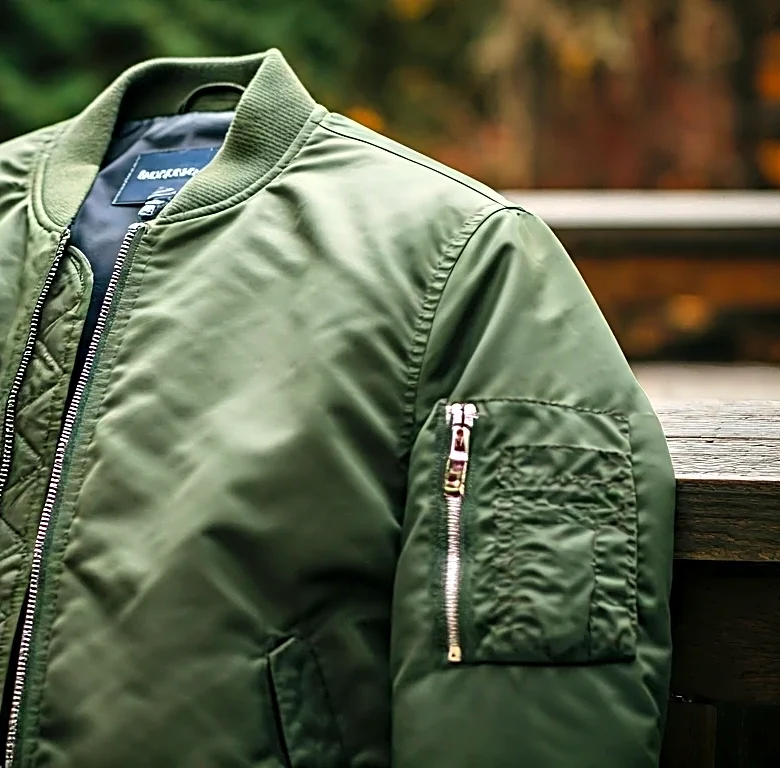
The most obvious giveaway is the branding. Quiet luxury is, by definition, quiet. It eschews logos, monograms, and any other overt signifiers of its brand. The brand's signature is in the cut, the specific knit, or a subtle design detail recognizable only to those in the know. Brands like The Row, Brunello Cucinelli, and Zegna are masters of this—their value is communicated through pure quality, making a logo redundant and even a bit vulgar in this context.
Beige clothing from other market tiers can go either way. A beige Nike sweatshirt still has a swoosh. A beige Polo shirt still has its pony. The logo confirms its brand identity. In the world of fast fashion, a beige item might have no logo at all, but this absence isn't a statement of exclusive luxury—it's just a blank. The lack of a logo on a $20 sweater doesn’t create an air of mystery; it simply confirms it’s a generic basic.