

It Starts with the Shoulders
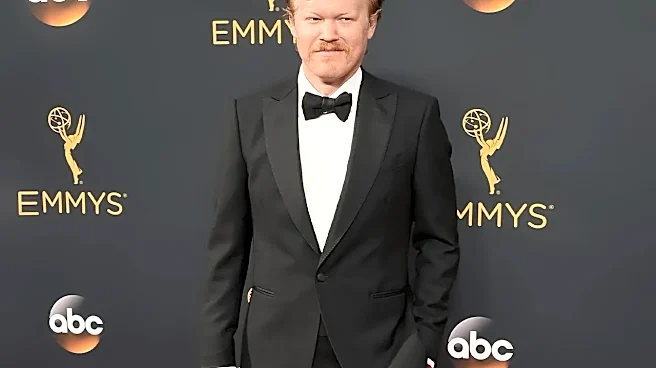
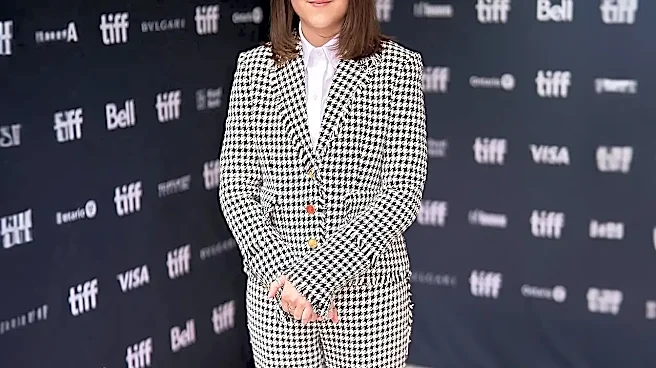
The first rule of faking a custom fit is getting the shoulders right from the start. For any suit jacket, blazer, or structured gown, the shoulder seam must sit perfectly at the edge of the natural shoulder. If it hangs over, the garment looks oversized;
if it’s too tight, it will pull and bunch. Altering shoulders is one of the most complex and expensive tailoring jobs, so stylists prioritize finding a garment that fits here first. Everything else—from the sleeve length to the waist—can be adjusted, but the shoulders provide the essential foundation for a polished silhouette.
The Art of Sculpting the Silhouette
A tailor's true artistry shines in their ability to reshape a garment’s silhouette. For gowns, this means expertly adding or adjusting darts in the bust and waist to follow the body's curves precisely. For suits, it involves tapering the jacket at the midsection to eliminate a boxy, store-bought look. A tailor can take in the side seams of a jacket or dress, creating a defined shape that feels intentional and high-end. These adjustments ensure the fabric drapes smoothly without pulling or sagging, transforming a standard size into a personal fit.
More Than Just a Simple Hem
Hemming a red-carpet gown is far more complex than just shortening a pair of pants. A master tailor considers the shoe height, the wearer's posture, and how the fabric moves. For gowns with multiple layers, like tulle or chiffon, each layer must be hemmed individually to ensure they fall correctly and create the intended shape. For suits, the goal is a clean “break” where the trouser leg meets the shoe. A pant that is too long and bunches at the ankle is a tell-tale sign of an untailored garment, while a perfect hem elongates the leg and completes the look.
The Inner Workings You Don't See
Much of a tailor's best work is invisible. They might add lightweight boning to a bodice for structure, sew in cups to provide support without a bra, or line a garment to help it hold its shape and slide on smoothly. This internal architecture is crucial for formalwear, ensuring a gown doesn't slip and a jacket maintains its crisp lines under bright lights and hours of wear. Even the choice of fasteners, from hidden hooks to reinforced buttons, is a deliberate decision that contributes to the flawless finish.
The Final, Red-Carpet-Ready Touches
The ultimate advantage for celebrities is the last-minute, on-site fitting. Stylists and tailors are often backstage or in a hotel room moments before the event, making final tweaks. This can involve using high-quality fashion tape to secure a plunging neckline, steaming out any final wrinkles, or even adding a few last-minute stitches to ensure everything stays perfectly in place for the cameras. One recent report noted that a stylist was on hand during the red-carpet photo call to perfectly adjust a star's train, a common practice to ensure every photo is perfect. This meticulous final pass is what truly separates everyday formalwear from an unforgettable Emmys red carpet moment.