








The Autumnal Shift in Spectacle
The movie release calendar has its own seasons. Summer is for world-ending threats and city-leveling punch-ups—high-energy escapism for when the days are long. The year-end holidays are reserved for prestige pictures chasing awards and four-quadrant family
fare. But October is different. It’s a fascinating middle ground, a post-blockbuster, pre-holiday corridor where studios are more willing to release films that don’t fit neatly into either box. These are often the movies with ambitious visuals but a more contemplative soul. They have blockbuster budgets but art-house hearts. This is the space where big ideas and quiet character moments are allowed to coexist, and it’s a perfect match for the season. As the nights draw in, audiences seem more receptive to stories that are less about saving the world and more about understanding one's place in it.
Case Study: The Lonely Replicant
Look no further than 'Blade Runner 2049'. Released in October 2017, Denis Villeneuve's stunning sequel is a prime example of an October sci-fi drama. While visually spectacular enough to fill any IMAX screen, its core narrative is a slow, melancholic neo-noir about a lonely man's search for identity. Ryan Gosling's Officer K moves through a vast, beautiful, and empty world, and his journey is almost entirely internal. The film’s deliberate pacing and philosophical questions about what makes a life real were hailed by critics, but it famously underperformed at the box office for a film of its scale. It wasn’t a crowd-pleasing summer ride; it was a somber, thought-provoking meditation that demanded patience—a perfect film for a cool autumn evening. Its legacy as a masterpiece grows every year, cementing its status as a film that was perhaps too introspective for mass-market appeal but perfectly suited for its October release.
Case Study: The Survivor's Journey
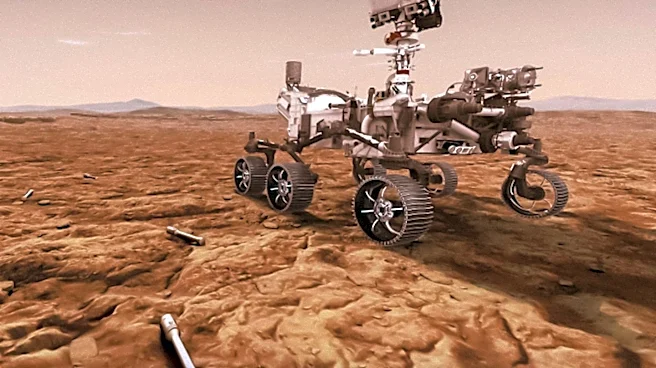
Three other major October releases prove the point: 'Gravity' (2013), 'The Martian' (2015), and 'First Man' (2018). On the surface, they are all high-stakes survival stories set against the unforgiving backdrop of space. But peel back the layers of dazzling special effects, and you’ll find deeply personal character dramas. 'Gravity' wasn't just about a stranded astronaut; it was a story of a woman confronting overwhelming grief and finding the will to live again. Critically acclaimed upon its October 4th release, its power came from being locked in Sandra Bullock's helmet, experiencing her terror and eventual rebirth. 'The Martian', released October 2nd, used the immense scale of Mars to tell a surprisingly funny and intimate story of one man's relentless optimism and ingenuity against impossible odds. And 'First Man' used the historic Apollo 11 mission as a framework to explore the quiet, internal burden of Neil Armstrong's personal grief and sacrifice. The spectacle served the character, not the other way around.
A Mood to Match the Season
So why does this formula work so well in October? The genre of science fiction has always been a vessel for our biggest questions about humanity, technology, and our future. When you strip away the laser battles and alien invasions, you are often left with stories about loneliness, hope, identity, and survival. These themes resonate more deeply during a season associated with change, reflection, and the approach of winter. The very act of watching a character grapple with their existence while floating alone in the cosmos mirrors the introspective mood that the fall season can inspire. The grand, cold emptiness of space becomes a metaphor for our own internal landscapes. A summer audience might crave an explosion, but an October audience seems ready for a conversation.