





The Instinct for an Epic
July 4, 2026, marks the Semiquincentennial of the Declaration of Independence, and the national stage is being set for a massive celebration. When Hollywood thinks about capturing a nation’s birthday, it tends to think big. The default mode is the epic:
sweeping battlefields, swelling orchestral scores, and a montage of historical figures striding purposefully toward destiny. We imagine a film that covers everything from the Boston Tea Party to the final flourish on the Constitution.
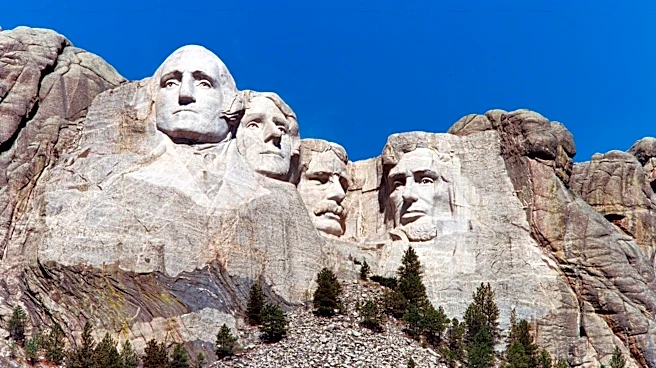
But this approach often sacrifices depth for breadth. By trying to show everything, these films risk saying very little. The American Revolution becomes a highlight reel, its key figures flattened into marble statues. The raw, messy, and terrifyingly uncertain process of nation-building gets lost in the spectacle. We get a story we already know, stripped of the very conflict that makes it compelling.
The Power of the Pressure Cooker
Now, consider the alternative: the political chamber drama. Think of films like 12 Angry Men or the cabinet battle scenes in Lincoln. These stories thrive in confinement. They lock a small group of characters in a room with opposing views and impossibly high stakes, forcing them to hash out a decision that will change everything. The drama comes not from explosions or sword fights, but from dialogue, persuasion, psychological maneuvering, and shifting alliances.
This format is uniquely suited to revealing character. When there’s nowhere to run, people’s true convictions, flaws, and fears come to the surface. It’s a pressure cooker that strips away pretense and reveals the human core of a historical moment. The tension is in the words, the silences, and the knowledge that the fate of millions hangs on the outcome of a single debate.
Philadelphia, Summer of 1776
The Second Continental Congress in the summer of 1776 is the perfect setting for this kind of drama. The delegates weren't a unified bloc of revolutionaries. They were a collection of deeply divided men from 13 different colonies, each with their own interests and fears. They met in a hot, stuffy room in Philadelphia, debating a resolution that amounted to a collective death sentence. Declaring independence was treason.
The story has a built-in antagonist who isn’t a villain but a principled opponent: John Dickinson of Pennsylvania. Known as the “Penman of the Revolution,” Dickinson was a patriot who had argued eloquently against British overreach. Yet he fiercely opposed independence at that moment, believing it was rash and would lead to ruin. He gave a powerful speech arguing for reconciliation just as momentum was building for a break. His refusal to sign the Declaration and his subsequent decision to join the militia anyway paint a portrait of profound internal conflict—the very essence of great drama.
Humanity Over Mythology
A chamber drama about the Declaration would force us to see the Founders not as mythical figures, but as brilliant, stressed, and often difficult politicians. We'd see John Adams, obnoxious but indispensable, relentlessly pushing for a vote. We’d see a quiet Thomas Jefferson, tasked with drafting the document. We'd witness the strategic maneuvering of Benjamin Franklin, trying to hold a fragile coalition together. The central conflict isn't with redcoats on a battlefield, but with each other in that room.
The drama would unfold through a series of intense votes. On July 1, 1776, the initial vote on independence was not unanimous; Pennsylvania and South Carolina voted no, Delaware was split, and New York abstained. The next 24 hours were a flurry of backroom politicking to sway minds and secure a unified front, culminating in the decisive vote on July 2. That political horse-trading, that last-minute drama, is where the real story lies. It's a tale of how consensus is forged from chaos, not handed down from on high.