






The Old Rules of the Game
For decades, writing for television meant writing for advertisers. A one-hour drama wasn't 60 minutes of story; it was a container for commercial breaks. This gave birth to the classic act structure: a short teaser to hook you, followed by four or five
acts, each ending on a mini-cliffhanger. That act break wasn't just a pause; it was a promise. It was the writer's job to make the story so compelling you wouldn't dare change the channel. Every 12-15 minutes, the plot had to escalate, a character had to make a choice, or a new question had to be raised. This structure forced an incredible discipline. Writers learned to be ruthlessly economical, ensuring every scene served a purpose and that momentum was always building. Shows like ER or The West Wing mastered this, delivering a satisfying rhythm of tension and release that became the default language of television.
Enter the Binge: Streaming's 'Freedom'
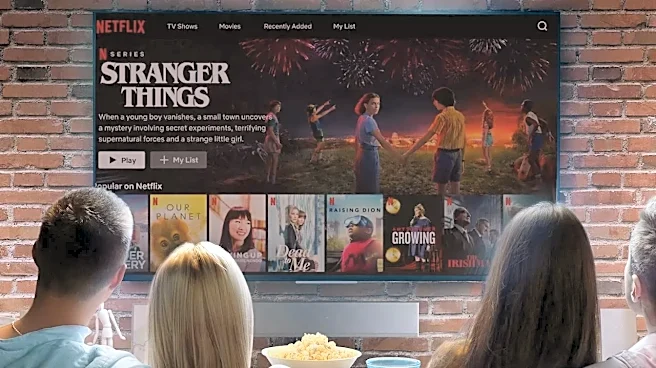
Then came streaming, and the rules evaporated overnight. With no ad breaks and no fixed runtimes, writers were suddenly free. Episodes could be 42 minutes or 72 minutes. An entire season could be dropped at once, encouraging viewers to consume stories in multi-hour blocks. For creatives, this felt like liberation. They could let scenes breathe, explore subplots deeply, and build worlds without the constant pressure of a commercial interruption. The result was the rise of the “eight-hour movie,” a format that allowed for more novelistic, complex storytelling than ever before. Initially, this produced groundbreaking television, as creators used the new canvas to tell stories that would have been impossible on network TV.
The Hidden Cost of Pacing Purgatory
But freedom has a hidden cost. For every tightly wound streaming masterpiece, there are a dozen shows suffering from what critics and viewers call “the mid-season slump” or “streaming bloat.” Without the forced discipline of act breaks, many series sag in the middle. Plots meander, characters spin their wheels, and entire episodes can feel like stylish filler. The pressure to simply keep the viewer from going to bed is a different, and often weaker, motivation than having to earn their attention back after a block of car commercials. The lack of structure doesn't always lead to creative freedom; sometimes, it leads to a lack of focus. A story that could have been a lean, thrilling six episodes gets stretched to ten, and the audience can feel it.
Discipline as a Creative Engine
The great paradox of creativity is that constraints are often an artist's best friend. Just as a poet finds power within the strictures of a sonnet, a screenwriter can find focus within a tight structure. The old act-break model wasn't just a commercial necessity; it was a narrative tool. It forced writers to constantly ask: Is this scene essential? Does it raise the stakes? What is the most dramatic question I can leave the audience with? This rigorous process often leads to stronger, more propulsive storytelling. Abundant resources and unlimited space can sometimes have a negative effect on creativity, leading to indulgence rather than innovation. The limitations of broadcast TV, while frustrating, provided a powerful creative filter.
Your Brain Still Wants an Act Break
Even if the technology has changed, our brains haven't. Decades of watching television have conditioned audiences to expect a certain narrative rhythm. We are wired for the rise and fall of tension that the act structure provides. Even without an explicit commercial break, our attention spans benefit from these built-in moments to pause, process, and anticipate. A well-placed act break functions like a chapter in a book, giving the story shape and making it more digestible. When a streaming show ignores this internal pacing, it can feel shapeless and exhausting, even if we can't quite put our finger on why. It’s not about the ads; it’s about the underlying architecture of satisfying storytelling.