






From Record Stores to Playlists
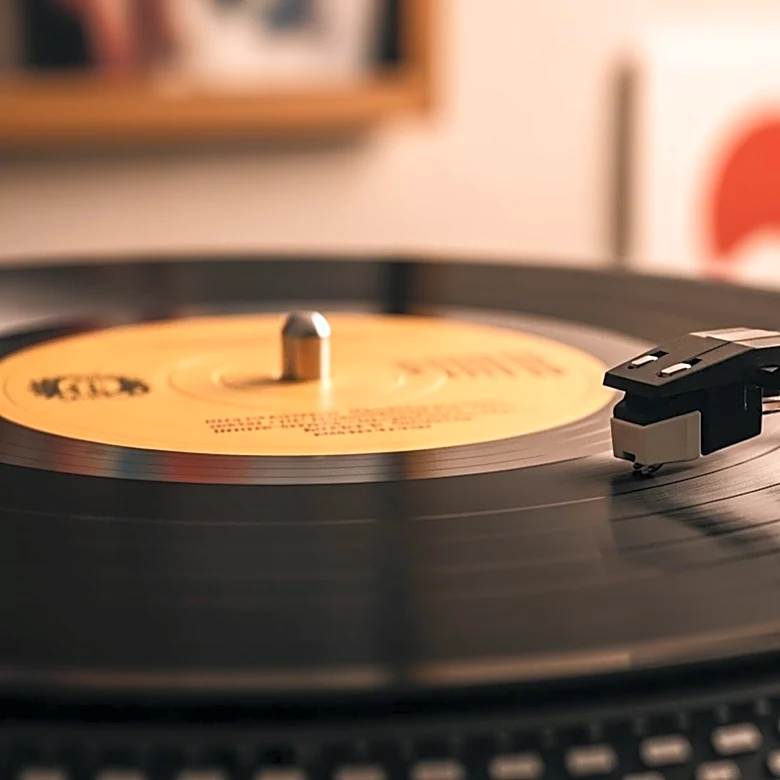
To understand what an American Music Award means now, you have to remember what it meant then. Created by Dick Clark in 1973 as a competitor to the Grammys, the AMAs were positioned as “the people’s choice.” For decades, that choice was measured in a straightforward, if slow, way: record sales and radio airplay. Nominations and wins reflected who was dominating the charts tracked by magazines like Billboard. A win signaled that an artist was not just critically acclaimed but commercially dominant, moving massive numbers of physical albums and cassettes from record store shelves. It was a tangible metric. You could see the gold and platinum records on the wall. The 'math' was simple addition—more sales meant more popularity, which translated
directly into AMA hardware.
The New Formula for Fame
The digital revolution didn't just change how we listen to music; it blew up the entire equation for measuring success. First came digital downloads via iTunes, which gave a more immediate, song-by-song pulse on popularity. But the real earthquake was streaming. Suddenly, every single play on Spotify, Apple Music, YouTube, and other platforms became a trackable data point. The AMAs, staying true to their 'people's choice' roots, leaned into this data deluge. Today, the nominations are no longer just about who sold the most albums. They’re based on a complex blend of fan interactions as tracked by Billboard and its data partner, MRC Data. This includes digital song sales, album sales, radio airplay, and, most importantly, streaming volume. An artist doesn’t get nominated by accident; they get nominated because the data shows a sustained, high level of consumption across multiple digital platforms. This fundamentally shifts the advantage to artists who command not just passive listeners but an active, digitally native audience.
Fan Armies and the Final Vote
While data determines the nominees, the winners are chosen through a different, equally modern mechanism: online fan voting. This two-step process is crucial. First, an artist must prove their commercial and streaming power to get in the door. Then, their fanbase must be organized, motivated, and digitally savvy enough to out-vote their competitors. This is where the 'math' becomes less about passive listening and more about active campaigning. A win is a testament to an artist’s ability to mobilize their community. This explains why artists with famously dedicated online 'armies'—like Taylor Swift’s Swifties, BTS’s ARMY, or Nicki Minaj’s Barbz—consistently perform so well at the AMAs. Their fans don’t just stream the music; they treat the voting period like a political campaign. It’s a show of force, proving that their favorite artist has the most engaged and loyal following in the industry. The award becomes a proxy for online cultural dominance.
What a Win Signals Today
So, what does an AMA trophy on the mantelpiece really signal in 2024? It's no longer just a certificate of commercial success in the traditional sense. Instead, it’s a powerful validation of an artist’s digital ecosystem. A win proves three things: massive streaming numbers, a broad multi-platform reach, and a highly mobilized online fanbase. It’s less a statement from the industry (like the peer-voted Grammys) and more a direct reflection of modern, on-demand fan culture. It signifies that an artist has mastered the new rules of fame, where a constant stream of content keeps an audience engaged and ready to act. Winning an AMA, especially a top prize like Artist of the Year, means you are not just popular; you are a phenomenon of the internet age. It’s a trophy awarded not for being the best in the eyes of critics, but for being the most-played and most-loved in the daily lives of millions of fans.