





A One-Time Party That Wouldn't End
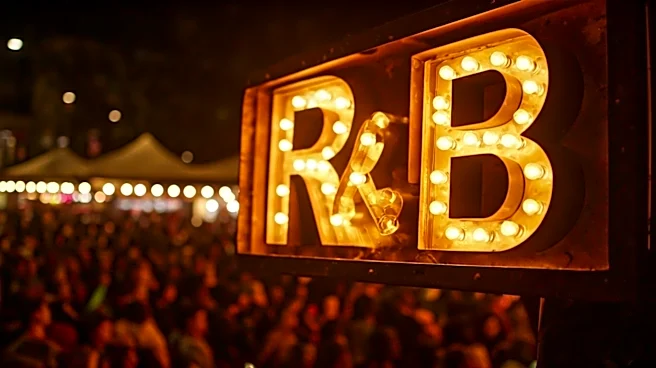
It all started as a one-time event in 1995 to celebrate the 25th anniversary of *Essence* magazine, a publication created to serve and uplift Black women. [9, 1] The idea was simple: create a live version of the magazine's mission. [9] With headliners
like Aretha Franklin, Luther Vandross, and Gladys Knight, the inaugural event was so successful that its organizers knew it couldn't be a one-off. [6, 12] It immediately established a unique space for celebrating Black culture and community, setting the stage for its evolution from a concert into something much more profound. [9, 13]
Becoming the 'Party with a Purpose'
The festival's enduring spirit comes from its famous moniker: "the party with a purpose." [2, 9] Early on, organizers integrated free daytime programming at the city's convention center, which became as central to the experience as the nightly concerts. [2, 14] These sessions focused on everything from entrepreneurship and financial literacy to health, wellness, and social justice, featuring influential speakers like Reverend Al Sharpton, Congresswoman Maxine Waters, and eventually, Michelle Obama and Barack Obama. [13, 17, 18] This dual focus on celebration and empowerment is the bedrock of the festival's identity, offering a space not just to be entertained, but to be inspired and equipped for personal and collective growth. [9, 14]
A Multi-Generational Soundtrack
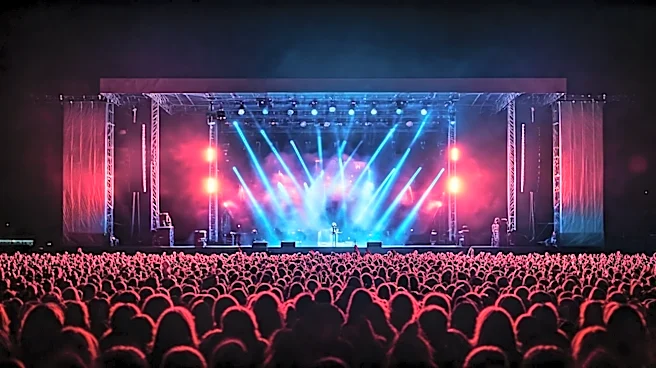
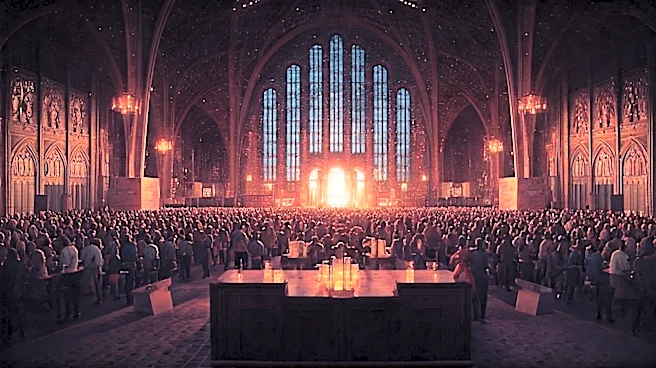
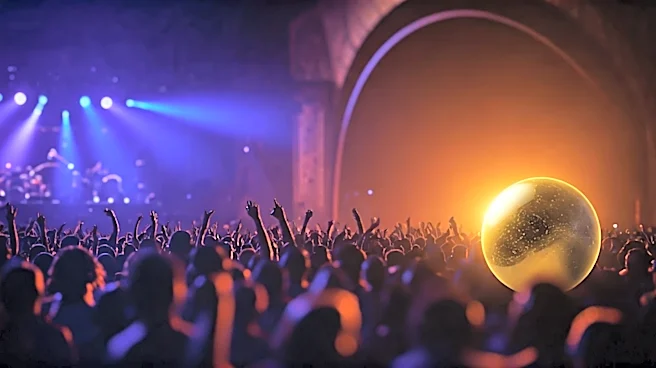
The music itself reinforces the family reunion theme. The stages in the Caesars Superdome intentionally bring together generations of artists. [3] A single weekend might feature a legend like Patti LaBelle, an icon like Janet Jackson, and a current chart-topper like Cardi B. [2, 4, 14] This creates a shared cultural experience where different generations can sing along to the same songs and celebrate a musical lineage. The festival has hosted tributes to late legends like Prince and Michael Jackson and seen historic reunions, all while anointing the next generation of stars. [17] It’s a living archive of Black music where elders and youth connect under one roof. [3]
New Orleans as the Family's Home
Hosting the festival in New Orleans was a deliberate choice. The city's deep African American cultural heritage and musical traditions made it the perfect backdrop. [6] Over the decades, the city has become synonymous with the event. The French Quarter, the Superdome, and the convention center transform into a sprawling campus for attendees. [2] The festival's massive economic impact is undeniable, but the cultural exchange is just as important. [9] The city’s own vibrant energy—the food, the second-line parades, the history—melds with the festival, making it feel less like a rented venue and more like the family's designated hometown for the annual get-together.
The Attendee-Driven Traditions
Beyond the official programming, the "family reunion" vibe is cemented by the attendees themselves. The 2017 film *Girls Trip*, filmed on location during the festival, perfectly captured the spirit of friendship and adventure that defines the weekend for many. [1] Unofficial traditions have become just as important as the main events: friend groups coordinate matching outfits, people attend all-white parties, and spontaneous meetups fill the streets and hotel lobbies. It’s a space where Black women in particular feel seen, celebrated, and safe, fostering a powerful sense of community and belonging that keeps them coming back year after year. [10, 11]