






The Illusion of Inevitability
Every four years, the global sports media machine whirs to life and produces the same predictable script. For the 2026 World Cup, the conversation was instantly framed around a handful of teams: defending champion Argentina, powerhouse France, and the eternal
contenders Brazil and England. This isn't journalism; it's marketing. Creating a dominant favorite simplifies the narrative for a casual audience and provides a focal point for betting markets. The problem is, it builds an illusion of inevitability that knockout soccer almost never validates. The focus on a select few ignores the rich complexity of a 48-team tournament and cheats the audience out of the drama before it even begins. It suggests a pre-ordained outcome in a sport defined by its glorious unpredictability, turning the group stage into a mere waiting game for the 'real' tournament to start. But the real tournament is already happening.
The Joy of a Giant Falling
Let's be honest: what's more memorable, a 3-0 group stage win by a favorite or a seismic upset? We remember these tournaments by their shocks. This very 2026 tournament gave us a perfect example when Paraguay stunned Germany in a penalty shootout. Those are the moments that create legends. Think back to 2022, when Saudi Arabia defeated an Argentina team that would go on to win the whole tournament. Or, for a classic, the 1950 World Cup when a team of American part-timers beat the mighty England. These aren't footnotes; they are the epic poems of the World Cup. The narrative of the favorite is a story about power retained. The narrative of the upset is a story about history being made. One is a press release, the other is a folk tale told for generations. The joy of watching a Goliath stumble is a universal human experience, and the World Cup is its grandest stage.
Finding the Tournament's True Heartbeat
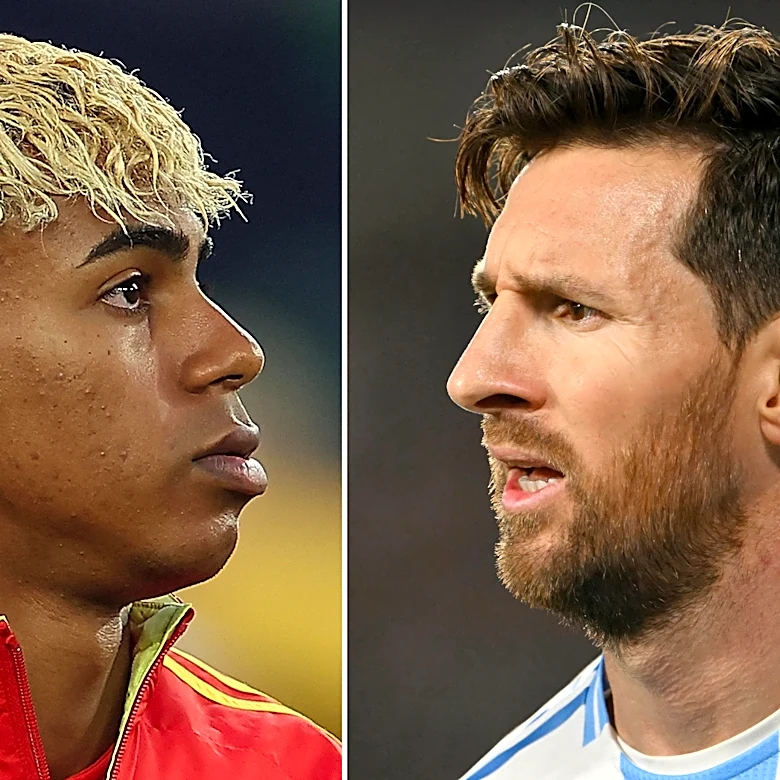
By obsessing over the handful of teams likely to lift the trophy, we miss the stories that give the tournament its soul. The defining story of the 2022 World Cup wasn't just Lionel Messi's eventual triumph; it was Morocco's breathtaking run to the semifinals. They became the first African and Arab nation to get that far, uniting millions of fans globally. They were dubbed the "Rocky Balboa of the World Cup," a team built on defensive grit, passionate support, and the talent of a diaspora of players born in other countries. Their journey, which included knocking out Spain and Portugal, was a far richer, more compelling narrative than simply asking if France could repeat as champions. These underdog runs, these tactical innovations from mid-tier teams, these last heroic stands from aging legends on smaller squads—this is the tournament's true heartbeat. It’s a global festival, not an invitational for the top five.
A Better, Smarter Way to Watch
So, how do you escape the narrative trap? You make a conscious choice to watch differently. Ignore the betting odds that anoint a winner before a ball is kicked. Instead, adopt a team from each continent and follow their journey. Pick a 'Group of Death' and immerse yourself in its specific dramas and tactical battles. Find a player outside the top tier of superstars who is having a breakout tournament and root for their success. It's about actively seeking out the stories that aren't being handed to you. This approach transforms you from a passive consumer of a pre-packaged product into an active participant in the global drama. You'll find more joy in a hard-fought draw between two mid-ranked nations than in another dominant but sterile victory for a team that was expected to win anyway.