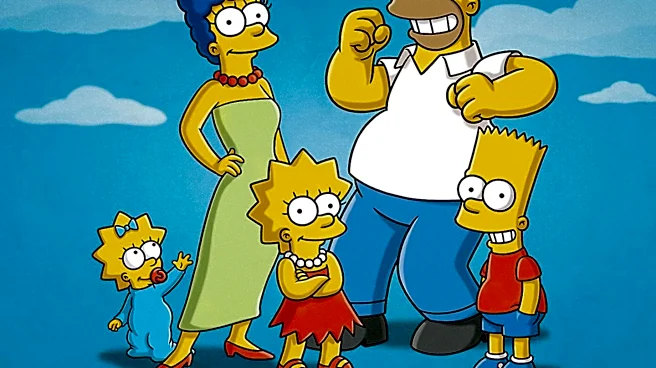

From Homer Simpson’s white polo to Steve Jobs’s black turtleneck, the signature outfit is a staple of pop culture. But why does this lack of variety, which is technically unrealistic, make characters feel
more authentic and memorable?
The Power of a Visual Signature
At its most basic level, a repeated costume is a form of branding. In animation, it’s a practical cheat code that simplifies the labor-intensive drawing process, saving time and money. This consistency ensures that characters are instantly recognizable, even in a quick glance or a crowded frame. Think of the cast of 'The Simpsons' or the crew in 'Scooby-Doo'; their outfits function like logos. This instant readability creates a strong visual identity that helps audiences connect with and remember them. It’s a technique that started out of practicality but evolved into a powerful tool for building iconic, marketable characters whose look is as famous as their catchphrases.
A Uniform for the Soul
A character’s signature outfit often serves as a window into their personality. It tells the audience who they are before they even speak. A character who wears the same thing every day isn't just a drawing; they are a person with defined priorities. Take Lieutenant Columbo's rumpled raincoat. Actor Peter Falk famously chose the coat from his own closet because he felt it perfectly captured the detective's essence: unassuming, persistent, and thoroughly unconcerned with appearances. Suspects constantly underestimate him because of his disheveled look, which becomes his greatest strategic advantage. Similarly, Steve Jobs adopted his black turtleneck, jeans, and sneakers as a personal uniform to reduce daily decision-making and convey a signature style, allowing him to focus his energy on his work. In these cases, the repeated outfit isn't a sign of a limited wardrobe; it's the uniform of a focused mind.
An Anchor of Authenticity
In long-running TV shows or sprawling film franchises, a consistent look provides an anchor for the audience. As plots twist and years pass, the character's core identity remains visually stable. This repetition can become a source of comfort and reliability. When Columbo was once forced into a new coat, he famously complained he couldn't think straight without his old one, a sentiment that resonated with viewers who also saw the coat as part of his identity. The outfit becomes more than just clothing; it’s an old friend, a tangible piece of their unchanging self. This effect builds a deep-seated familiarity, making the character feel like a dependable presence in the viewer's life.
The Paradox: Why Less Feels Like More
Herein lies the central paradox: seeing a character in the same clothes should, in theory, break the illusion of reality. After all, real people change their clothes. Yet, it often does the opposite. Most of us don't have the endlessly rotating, perfectly curated wardrobes seen on fashion-forward shows. We have a favorite pair of jeans, a go-to jacket, a sweater we wear all winter. We repeat outfits. By mirroring this real-world habit, costume repetition can make a character feel more grounded and relatable. It suggests a life lived outside the frame, one where clothes are practical tools rather than daily statements. This subtle choice sacrifices the fantasy of an infinite closet for something more valuable: a sense of lived-in authenticity that makes a fictional person feel surprisingly real.