


Anatomy of a High-Contrast Cut
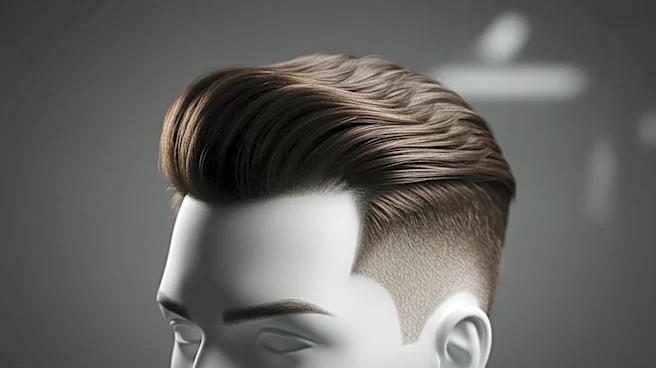
First, let's define our terms. The disconnected undercut is characterized by a stark, abrupt contrast between the hair on top of the head and the hair on the sides. Unlike a traditional fade, where the hair gradually tapers from long to short, this style
features a clean, sharp line with no blending. The back and sides are clipped extremely short—often down to the skin—while the hair on top is left significantly longer, allowing for a multitude of styling options like a pompadour, a textured crop, or a classic slick-back. This dramatic difference is the 'disconnection,' a deliberate choice that creates a bold, architectural look.
From Period Dramas to Main Street
While versions of the undercut have existed for over a century, its modern explosion can be traced directly to pop culture. The style gained massive popularity in the 2010s, largely thanks to the television series Peaky Blinders. Characters like Thomas Shelby, with his textured crop and severe undercut, brought a gritty, early 20th-century working-class aesthetic into the mainstream. Historically, this was a practical cut for men who couldn't afford skilled barbers, and its short sides also helped with hygiene. But when it reappeared on screen, it was reinterpreted as a symbol of confidence and rebellious style, and men flocked to barbershops with photos from the show in hand.
The Great Product Upheaval
This is where the haircut's true impact lies. The disconnected undercut is not a wash-and-go style; its maintenance demands specific products. To achieve the volume, texture, and hold required to style the longer top, the sticky, high-shine gels of the early 2000s were suddenly obsolete. Instead, a new generation of styling aids took over. Matte-finish products like hair clays, pastes, and wax-based pomades became essential. These products provided strong hold without the glossy, wet look, perfect for achieving the textured or slicked-back styles the undercut popularized. Hair clays, in particular, saw a surge in popularity because they absorb oil and add thickness, making fine hair appear fuller—a key requirement for a voluminous top. The market for men's grooming began to rapidly expand beyond basic necessities, with an increased focus on specialized styling solutions.
A New Era for the Barbershop
The technical precision required for a disconnected undercut also helped fuel the renaissance of the traditional barbershop. This isn't a simple buzzcut; it requires skill to create the sharp, clean lines and properly shape the top. The hairstyle’s popularity drove men to seek out skilled barbers who understood classic techniques, turning a routine haircut into an experience. This demand helped elevate the craft of barbering and solidified the barbershop as a modern cultural hub for men's grooming. Furthermore, the need for regular upkeep to maintain those sharp lines meant more frequent visits, strengthening the client-barber relationship. The cut itself became a gateway for men to become more engaged and experimental with their personal style and the products they used.