




The perfect belt can define a silhouette, but traditional leather and hardware aren't always the answer. Enter the scarf belt: a softer, more versatile option that adds color and texture, all while keeping you comfortable. Here's how to do it.
Why It Works So Well
Swapping
a traditional belt for a scarf is one of those simple style hacks that delivers major impact with minimal effort. It’s a solution for comfort, allowing you to cinch a dress or secure your jeans without a rigid buckle digging into your waist. Think of it as a belt, but lighter, smoother, and more fluid. This approach also allows you to introduce textures and prints into an outfit in a measured way. A splash of silk or a pop of color at the waist can transform a simple dress or a basic jeans-and-tee combo into a thoughtfully styled look. It’s also incredibly practical for creating a waistline on looser, more billowy garments like tunic-style tops or shirt dresses that don't have their own sash.
Choose the Right Scarf
Success hinges on selecting the right material and size. Chunky, heavy-knit wool scarves are cozy for your neck but will create exactly the bulk you’re trying to avoid at the waist. Instead, opt for long, relatively narrow scarves made from lightweight materials. Silk, lightweight cotton, linen, and synthetic blends that drape well are ideal. Silk twill is a fantastic choice because its diagonal weave provides a subtle texture that helps the knot hold securely without slipping. For length, a standard 90cm (about 35 inches) square scarf, folded on the diagonal, or a longer rectangular 'twilly' scarf works perfectly for threading through belt loops. The key is having enough length to tie a clean knot while ensuring the fabric is thin enough to lie flat.
The No-Bulk Tying Technique
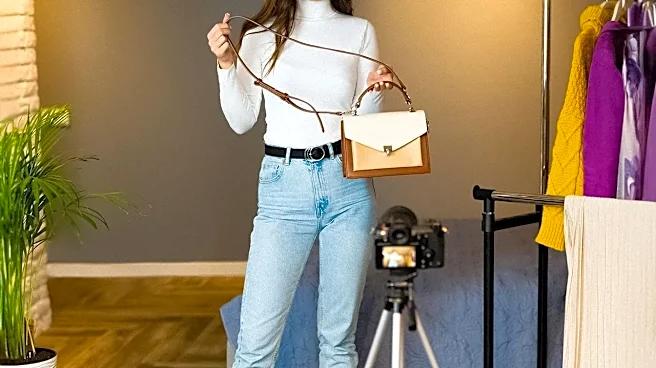
The goal is a flat, secure finish. This method works perfectly for jeans or trousers with belt loops. First, fold your scarf. If it's a square, fold it diagonally to make a triangle, then roll or fold it from the long edge into a band about two inches wide. If it's a long rectangle, simply fold it lengthwise until it’s the desired width. Start by threading the scarf through the belt loops, just as you would a regular belt. When you get to the front, instead of tying a large bow, opt for a simple, flat square knot—the same one you use to tie shoelaces. Cross one end over the other and pull it through, then repeat in the opposite direction. Pull the knot snug and adjust it to sit slightly off-center on your hip, which often provides a more modern, relaxed look than a dead-center knot. The ends can hang loose or be neatly tucked back into the adjacent belt loops for an even cleaner line.
Styling Your Scarf Belt
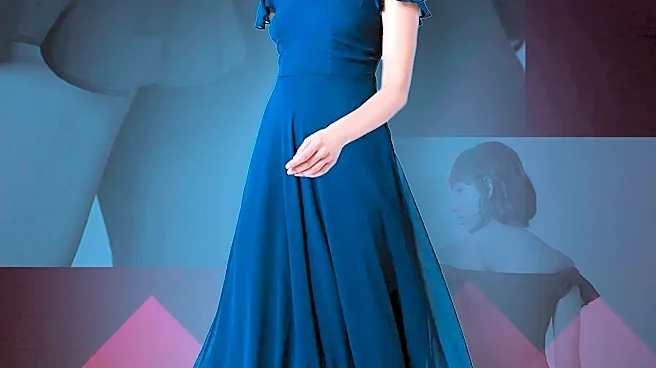
A scarf belt is a versatile accessory that can adapt to numerous outfits. For a classic look, thread a printed silk scarf through the loops of high-waisted denim or white trousers. It adds an instant touch of polish to a casual ensemble. Over a solid-colored dress—whether a flowing maxi or a structured shirt dress—a scarf belt can create definition and add a point of visual interest without the need for other accessories. Don't be afraid to play with contrast. A brightly colored scarf can bring a neutral outfit to life, while a scarf in a complementary shade can create a sophisticated, monochromatic look. For a bohemian vibe, try wrapping a longer scarf around your waist multiple times over a skirt or dress before tying it. This technique is about personalizing your look, so feel free to experiment with different patterns, knots, and placements to see what works best for you.