






The Practical Origins of a Sporting Staple
Before there were billion-dollar endorsement deals and high-tech air pockets, there was the plimsoll. This simple shoe, with its canvas upper bonded to a rubber sole, emerged in the 19th century as a revolutionary piece of athletic wear. Its lightweight
construction and flexible grip made it ideal for the recreational sports gaining popularity among the upper classes, including the new game of lawn tennis. First known as "sand shoes" for their use by Victorians at the seaside, they were eventually dubbed "sneakers" because their quiet rubber soles allowed one to, quite literally, sneak up on someone. This practicality and comfort made them the default footwear as tennis began to formalize.
A Perfect Match for the All-White Rule
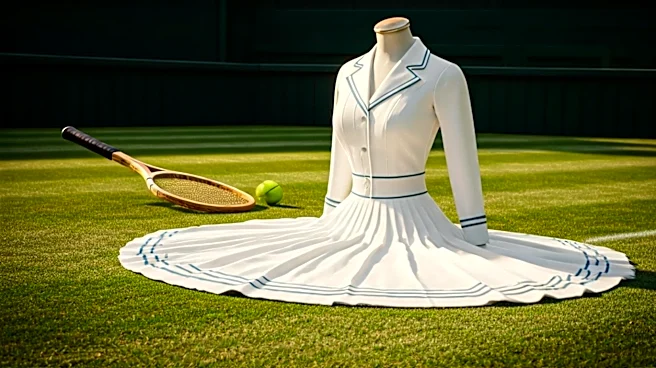
When the first Wimbledon Championships were held in 1877, a strict, all-white dress code was already the norm. This rule originated from the Victorian-era aversion to visible perspiration, which was considered unseemly, especially for women; white clothing simply hid sweat stains better. The simple, white canvas plimsoll fit this aesthetic perfectly. It was functional, unobtrusive, and, most importantly, white. While the official rules have tightened over the decades—today, even the soles of shoes must be completely white—the canvas sneaker was the original court-approved footwear, its simplicity setting a precedent that would last for a century.
Fred Perry and the Age of Effortless Cool
The canvas sneaker truly became an icon in the 1930s on the feet of a British champion. Fred Perry, the last British man to win Wimbledon for 77 years, wore Dunlop Green Flash plimsolls for each of his three consecutive victories from 1934 to 1936. This elevated the shoe from mere equipment to a symbol of victory and effortless British style. Perry himself would later launch his own eponymous brand in 1952, with the laurel wreath logo becoming a badge of honor for both athletes and subcultures. The classic canvas tennis shoe, whether a Dunlop or a Fred Perry, was no longer just about following the rules; it was about defining a particular kind of understated cool on the court.
A Statement of Understated Rebellion
By the late 1960s and 70s, the tennis shoe landscape began to change with the introduction of leather uppers, like the iconic Adidas Stan Smith. In the decades that followed, footwear technology exploded, leading to the chunky, colorful, and heavily branded sneakers common today. Yet, within Wimbledon’s unique ecosystem, the classic canvas sneaker has endured as a subtle statement. For exacting dressers, choosing a low-profile canvas plimsoll over a heavily engineered modern shoe is a nod to tradition and a rejection of flashiness. It’s a way to demonstrate style and knowledge of the sport’s history, proving that within the tightest constraints, true style finds a way to express itself quietly and confidently.
The Modern Legacy on and Off the Court
Today, the clean lines and minimalist design of the vintage canvas tennis shoe continue to influence fashion far beyond the grass courts of SW19. Brands like Fred Perry, Keds, and Converse maintain their status as wardrobe staples, prized for their versatility and timeless appeal. At Wimbledon, while most players now wear highly specialized shoes designed for grass, the aesthetic DNA of those original canvas sneakers remains. The requirement for an almost entirely white shoe, from laces to sole, forces designers to focus on silhouette and subtle texture—the very qualities that made the original canvas court shoe a quiet classic. It stands as a testament to the idea that sometimes, the simplest designs are the most enduring.