


The High-Stakes Festival Gauntlet
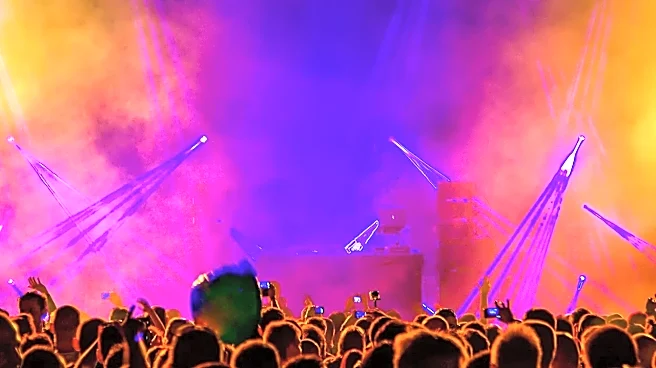
A headlining show at a private venue is a controlled environment. The audience is yours, the set time is generous, and the crowd is full of dedicated fans who already love you. A festival slot at Austin City Limits is the opposite. It’s a musical gauntlet.
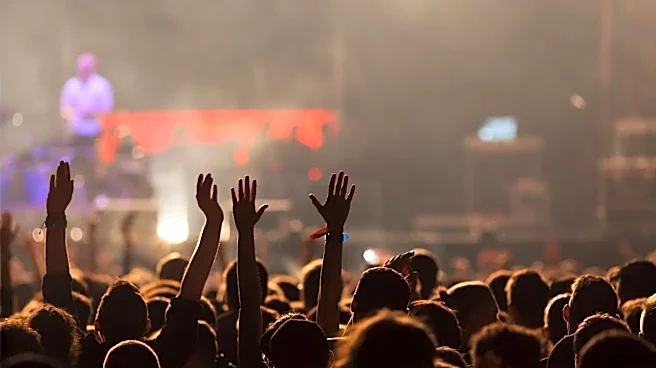
Set times are shorter, often ranging from 45 to 75 minutes, forcing artists to be ruthlessly efficient. The audience is a mixed bag of diehards, curious passersby, and people waiting for the next act. You're not just performing; you're competing for attention against dozens of other bands and the general festival buzz. In this high-pressure scenario, momentum is currency. An artist has a limited window to capture and hold a crowd's energy. Every second counts, and nothing kills momentum faster than dead air.
What a Weak Transition Sounds Like
A weak transition is more than just silence. It’s the sound of a spell being broken. It's the five seconds of awkward fumbling while a guitarist tunes, the clumsy stage banter that feels like nervous filler, or the jarring shift from a high-energy anthem to a slow ballad without any sonic bridge. This dead air gives the crowd a moment to check their phones, start a conversation, or wander off to another stage. In a focused club show, these moments are forgivable. At ACL, where distractions are everywhere, they are fatal. The best performers understand that a concert isn't a live playlist; it's a continuous experience. The gaps between songs are as much a part of the performance as the songs themselves. A clumsy transition tells the audience you haven't thought about their journey, only your setlist.
The Art of the Seamless Set
So, what does a strong transition look like? It can take many forms. Electronic artists and DJs are masters of this, using beat-matching and effects to create a continuous mix where one track flows into the next without interruption. Rock bands might use a lingering guitar riff, a rolling drum fill, or an instrumental jam to bridge two songs in the same key. Highly produced pop shows often use pre-planned interludes, soundscapes, or visual cues to guide the audience's mood from one song to the next. Even simple storytelling can be an effective tool if done with confidence and purpose. The goal is to avoid leaving the audience in silence, wondering what's next. It’s about creating a flow that feels intentional and respects the crowd's energy, making the entire set feel like a single, cohesive piece of art rather than a collection of individual tracks.
Building a Narrative, Not Just a Playlist
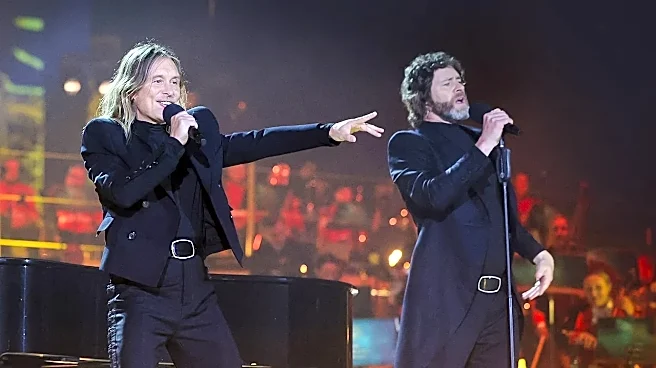
Ultimately, a well-executed setlist tells a story. It has an emotional arc, with peaks, valleys, and moments of reflection. The transitions are the narrative tissue connecting these moments, turning a series of songs into a compelling journey. When an artist nails their transitions, they’re showing a deeper level of showmanship. They’re not just playing songs at you; they are guiding you through an experience. They’re demonstrating an awareness of pacing, mood, and audience psychology. This is what separates seasoned professionals from garage bands. A festival like Austin City Limits, with its massive, diverse crowd and intense competition for attention, is the perfect stage to see this difference in real-time. It ruthlessly exposes the artists who have mastered their craft and those who are still just playing a list of songs.