








The Temptation of a Simple Narrative
The impulse to present a single, unified story for America’s Semiquincentennial is understandable. Organizers want a celebration, not a seminar on national controversies. The official mission for America250—the nonpartisan commission established by Congress—is
to inspire love of country and foster shared experiences. This often translates to broad, feel-good themes. We see it in plans for “America’s Block Party,” billed as the largest synchronized Fourth of July celebration in U.S. history, and star-studded benefit concerts in Los Angeles and New York. These events are designed for mass appeal, focusing on shared heritage and national pride. The problem is that this approach, while well-intentioned, risks creating a narrative so simple and sanitized that it becomes meaningless, ignoring the very complexities that define the nation.
A Tale of Two Celebrations
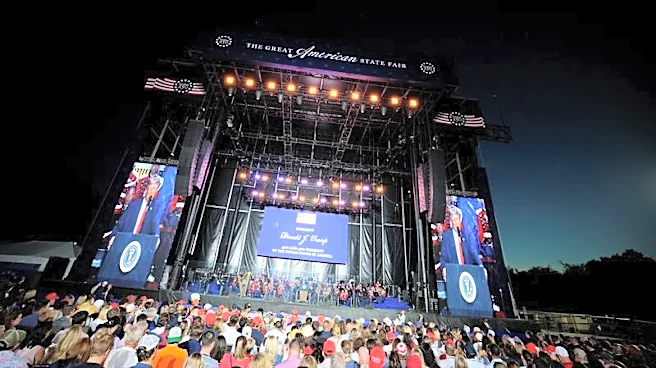
The pressure for a singular story has become more intense due to a stark politicization of the anniversary planning. In recent years, the White House established a separate body, “Freedom 250,” which has run parallel to the original bipartisan “America250” commission. A recent congressional report from House Democrats alleges that this newer entity has worked to divert funds and focus toward a more partisan, rally-style celebration, sidelining the original commission's plans for more civic-minded and locally-driven events. This has created immense confusion and public tension, with critics arguing the White House's approach promotes a specific ideological and often revisionist version of American history, one that minimizes difficult subjects like slavery. This conflict itself is a perfect example of the headline's warning: multiple factions are fighting to impose their single story as the only story.
What We Lose in a Monologue
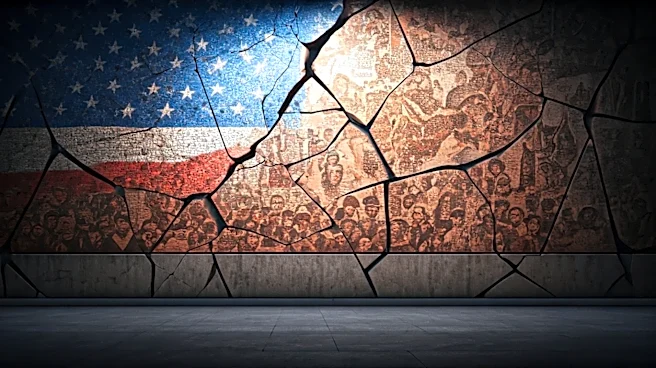
When we default to a monolithic story—one of uncomplicated patriotism and inevitable progress—we lose authenticity. America has never been one thing to all people, and our commemorations inevitably reflect that. A fireworks display set to a medley of pop hits is fun, but it doesn't tell the story of a nation still grappling with its founding ideals. A TV special that only shows beaming faces ignores the dissent, struggle, and sacrifice that have always been core to the American experience. By avoiding the difficult parts of our history, we don't unite people; we alienate those whose experiences don't fit the polished narrative. The goal should not be to make everyone agree on a single version of the past, but to create a space where multiple, often conflicting, truths can be heard and acknowledged.
A Better Path: A Festival of Stories
The most powerful way to celebrate America 250 is to embrace the messiness. Instead of one blockbuster concert with a uniform message, imagine a nationwide festival of stories. This is in the spirit of the original decentralized vision for America250, which encourages local communities to tell their own histories. Let's see federally supported documentary projects where filmmakers from different backgrounds explore what 250 years means to their communities. Let’s fund regional music festivals that celebrate the unique sounds of the Delta, Appalachia, and the borderlands. Let's create digital archives where everyday people can submit their family's American story. This approach replaces a single, top-down narrative with a vibrant, bottom-up mosaic. It's more honest, more inclusive, and ultimately, far more patriotic.