



The Undeniable Power of Movement
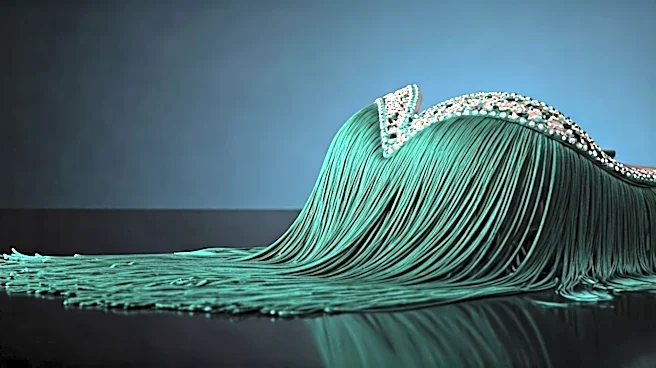
Before diving into history or symbolism, let’s start with the obvious: fringe moves. In the world of swimwear, where garments are often static, second-skin layers of Lycra, fringe adds an immediate dose of kinetic energy. As a model walks, the tassels,
strings, and strips of fabric dance and sway, creating a captivating visual effect that draws the eye and exaggerates every step. This movement does more than just look good; it transforms a simple bikini or one-piece into a piece of performance art. In the age of Instagram and TikTok, where a Boomerang or a slow-motion video is as important as the garment itself, that built-in motion is pure gold. It’s a feature designed to be seen, filmed, and shared, making any wearer the center of attention without them having to do a thing. Designers know that this visual dynamism is what separates a basic swimsuit from a resort-wear statement.
A Deep Well of Cultural Nostalgia
Fringe doesn't exist in a vacuum. Its return to the runway is always layered with decades of cultural meaning. For some, it evokes the wild, liberated energy of the 1920s flapper, whose fringed dresses were a symbol of rebellion and freedom on the dance floor. For others, it’s pure 1970s bohemian chic, conjuring images of Woodstock, Laurel Canyon, and a free-spirited, artisanal lifestyle. This Woodstock-era connection is particularly potent for swimwear, tying into the rise of festival culture and the desire for clothing that feels both relaxed and expressive. It whispers of a life less ordinary, one filled with music, travel, and sun-drenched afternoons. By adding a fringed hem to a bikini top or a knotted trim to a cover-up, a designer can instantly tap into this powerful, shared nostalgia for freedom and escapism, which is, after all, what vacation style is all about.
The Designer’s Versatile Toolkit
From a practical design standpoint, fringe is an incredibly versatile tool. It can be used to dramatically alter a silhouette, adding volume and length to a simple shape. A curtain of fringe along the bust can add dimension, while a sash of it at the waist can create an hourglass illusion. It also offers a clever way to provide coverage while still revealing hints of skin, striking a balance between modest and alluring. Want to make a simple triangle bikini feel more luxurious? Add a cascade of hand-knotted macramé fringe. Need to give a basic one-piece a high-fashion edge? Attach a dramatic, floor-sweeping fringe trim. It can be sleek and sophisticated when done in leather or beads, or rustic and crafty when made from cotton or suede. This adaptability allows designers to reinterpret fringe season after season, making it feel either radically new or comfortably familiar, depending on their vision.
Selling the 'Vacation Mode' Fantasy
Ultimately, high-fashion swimwear isn’t really designed for swimming laps. It’s designed to sell a fantasy—the fantasy of the perfect vacation. And nothing says “I am officially off the clock” quite like fringe. It’s impractical for everyday life. It can get tangled, it’s not great for a serious swim, and it requires a certain level of confidence to pull off. That’s precisely the point. Fringe is the sartorial opposite of a sensible work uniform. It is an embellishment of leisure, an accessory for the poolside cabana, the beachside bar, or the yacht deck. Wearing a fringed swimsuit is a declaration that your only job is to relax and look fabulous. For brands selling the dream of an endless summer, this makes fringe one of the most effective and enduring tools in their arsenal. It's not just a trim; it's a mood.