


The Shift from Billboard to Whisper
For years, fashion has been a shouting match. Big logos served as billboards, broadcasting status, affiliation, and taste—or a lack thereof. But a subtle revolution is underway. Style connoisseurs are trading overt branding for something more personal
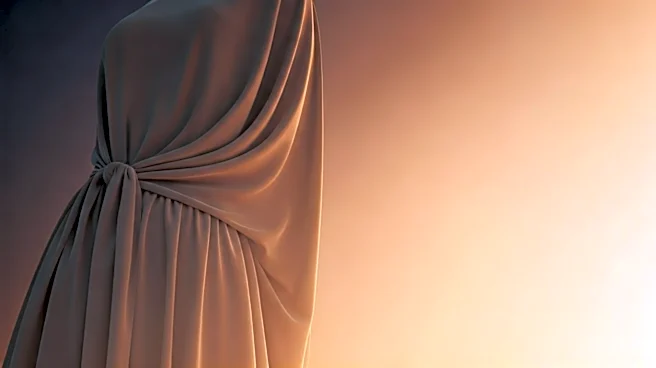
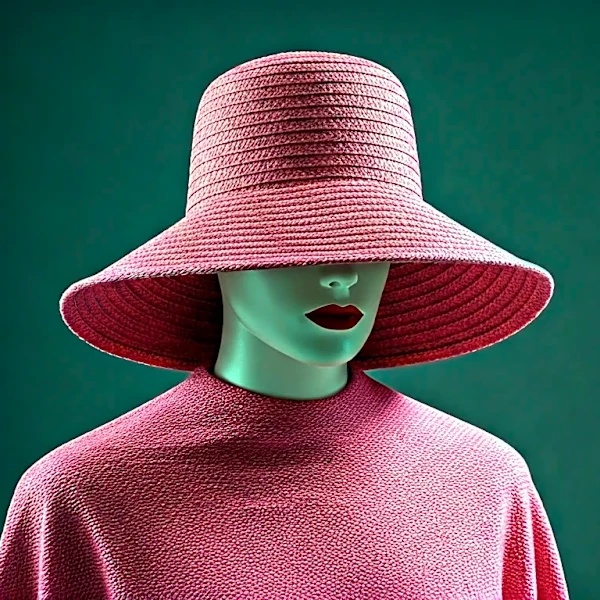
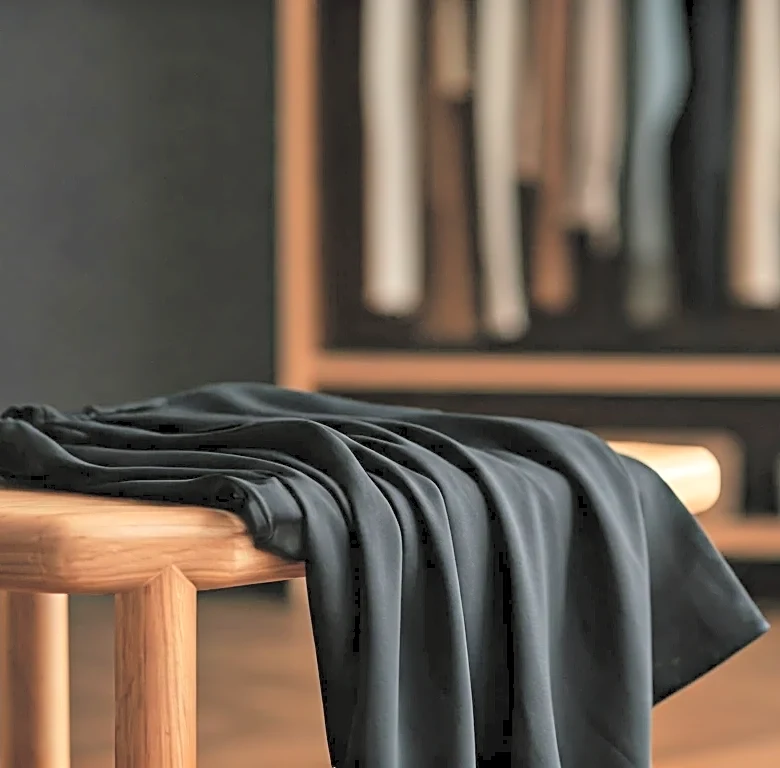
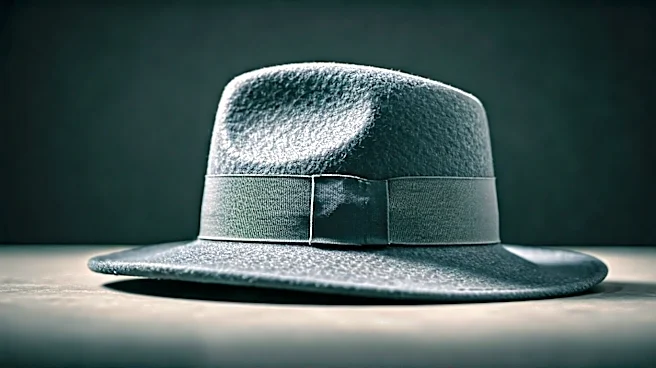
and profound: texture. Choosing texture over logos is about shifting your focus from 'What brand am I wearing?' to 'How does this make me feel?'. It's the difference between a coat that screams its price tag and one that whispers its quality through a rich, woolen weave. This approach isn't about being anti-brand; it's about being pro-substance. It’s a vote for clothes that offer a sensory experience—the soft embrace of cashmere, the crisp coolness of linen, the rugged charm of corduroy. It signals a quiet confidence that needs no external validation.
Your Foundational Textures
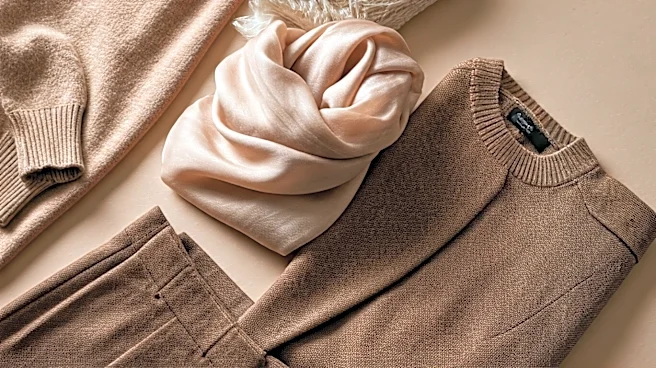
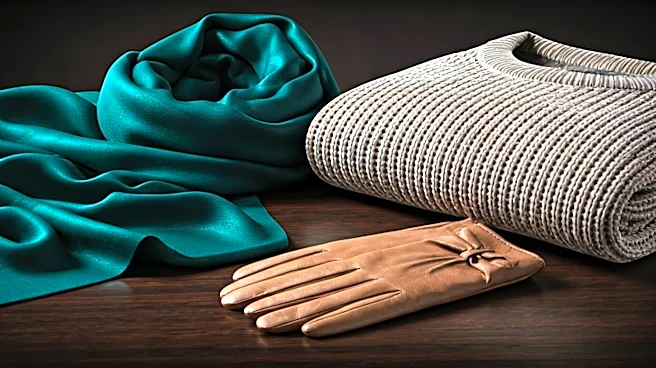
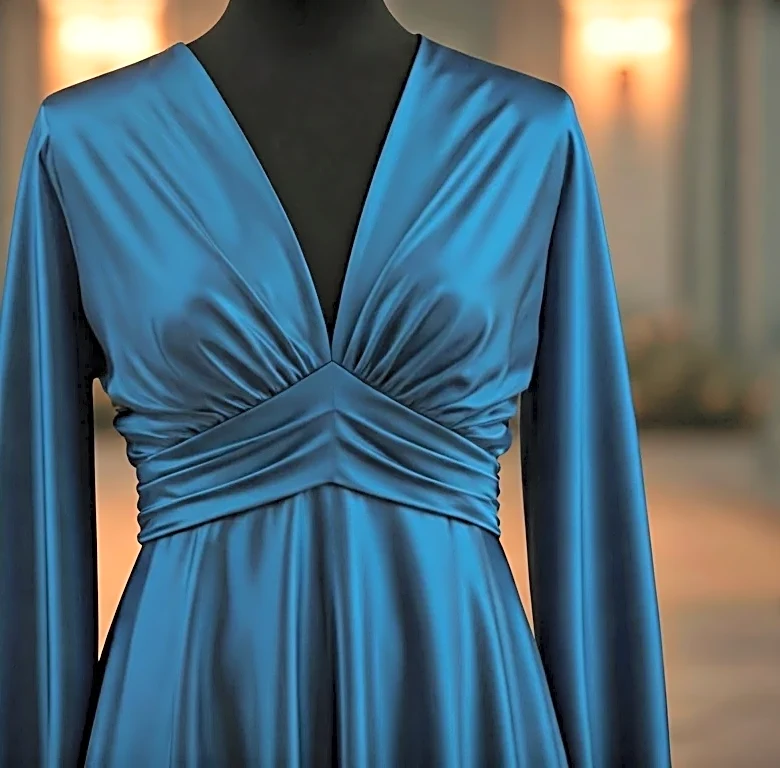
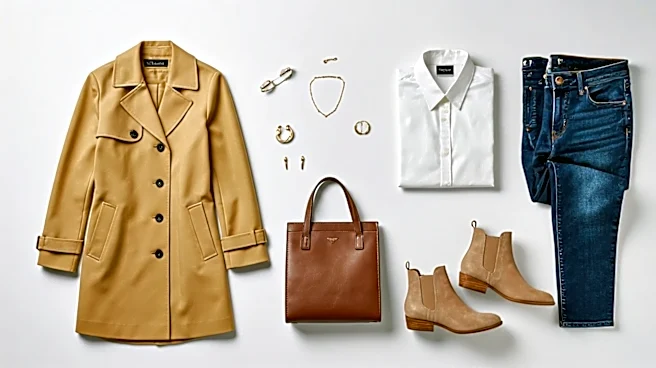
Building a textural wardrobe starts with knowing your materials. Think of them as your core cast of characters. You don't need dozens, just a few versatile players. **The Soft & Luxurious:** This is your comfort zone. Think merino wool for fine-gauge sweaters that layer without bulk, and cashmere for that unparalleled softness against the skin. A simple cashmere crewneck in a neutral color has more staying power and elegance than any trendy logo hoodie. **The Crisp & Structured:** These fabrics provide shape and a clean finish. High-quality poplin cotton for shirts gives you that satisfying, crisp feeling. Linen, with its natural wrinkles and breathable weave, is perfect for adding a relaxed, earthy texture to summer outfits. A great linen shirt paired with jeans is effortlessly chic. **The Rich & Complex:** This is where your wardrobe gets its personality. Consider tweed or herringbone for blazers and coats; their intricate weaves add visual depth. Corduroy brings a vintage, intellectual vibe to pants and jackets. And don’t forget silk or cupro for blouses and slips—their fluid, lustrous surface provides a beautiful contrast to rougher materials.
The Art of Textural Layering
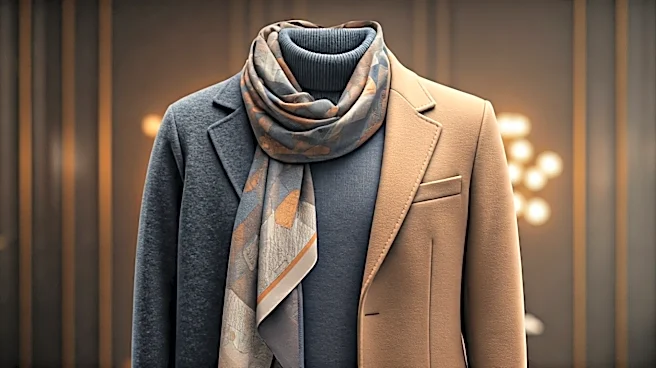
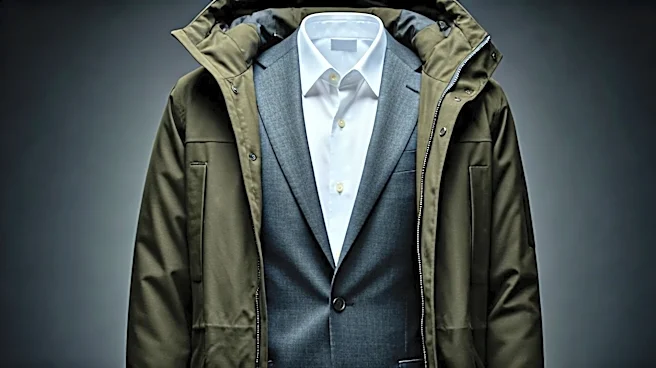
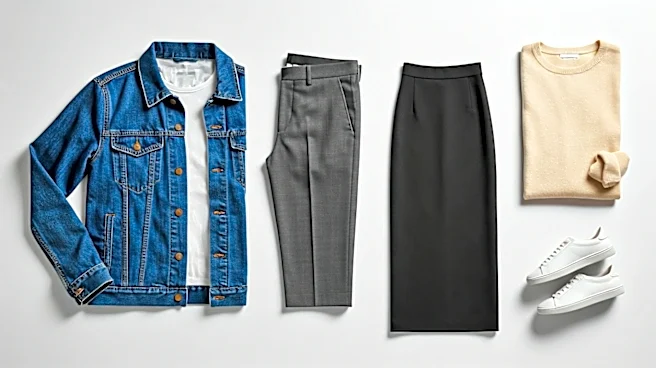
The magic happens when you start combining these textures. The core principle is contrast. Mixing different surfaces creates an outfit that is visually interesting and satisfying to the touch, even in a single color palette. A monochrome outfit in all-black, for instance, can be stunning if it involves shiny leather pants, a fine-knit merino sweater, and a matte wool coat. Here are some classic pairings to get you started: - **Smooth + Chunky:** Pair a slinky silk camisole or dress with a thick, chunky-knit cardigan. The contrast is both visually appealing and feels wonderful. - **Rough + Refined:** Combine rugged, textured denim with a soft cashmere sweater or a crisp cotton button-down. This high-low mix is the foundation of countless timeless looks. - **Structured + Soft:** Try a structured tweed blazer over a delicate silk blouse. The hard-edged tailoring of the blazer is softened by the fluid fabric underneath, creating a balanced and powerful silhouette.
How to Shop for Touch, Not Tags
Re-training your shopping brain is the final step. When you enter a store, make a conscious effort to ignore the brand displays and instead head to the racks to physically interact with the clothes. Let your hands lead the way. Does that sweater feel soft and substantial, or thin and scratchy? Is the weave of that blazer tight and resilient? Pick up the garment. Feel its weight. This sensory feedback is more valuable than any marketing campaign. Get in the habit of checking the fabric composition tag. A sweater that looks like wool might be 100% acrylic. Knowing the difference is key to buying pieces that will last and feel good. Look for natural fibers like wool, cotton, silk, and linen. A small percentage of synthetics for stretch or durability is fine, but when a garment is mostly polyester or acrylic, you're paying for a plastic-based fabric that won’t breathe or age as well. Your goal is to find hidden gems whose quality far exceeds their brand recognition.