



The Ghost of Radio Past
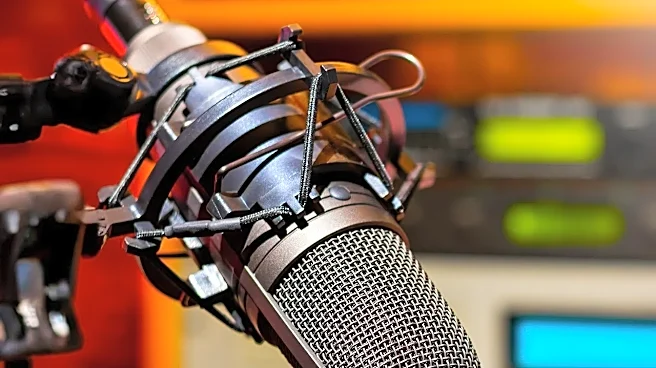
To understand the relationship between radio and podcasting, you have to rewind past the recent disruption. Long before television, radio was the theater of the mind. Its 'golden age' delivered serialized dramas, news, and talk that created a shared national
experience. Presidents delivered 'fireside chats' directly to the public, creating a powerful sense of intimacy. This was the original blueprint for audio storytelling: a host-driven, voice-led medium that could forge a direct, personal connection with the listener. However, over the decades, as media fragmented and music formats came to dominate the airwaves, this narrative DNA became less central to the commercial radio experience, which relied on fixed schedules and broad appeal.
Enter the On-Demand Disruptor
Podcasting emerged in the early 2000s, born from a simple tech innovation that allowed audio files to be distributed online via RSS feeds. At first, it was mainly used by radio stations to time-shift their existing shows for later listening. The real revolution came from its inherent freedom. Free from the constraints of broadcast schedules and regulatory oversight, creators could explore any topic, no matter how niche. Listeners could subscribe, download, and listen whenever they wanted. This on-demand nature was a seismic shift. Then, in 2014, a show called Serial packaged investigative journalism into a gripping, episodic narrative that hooked millions, demonstrating the massive potential for longform audio storytelling and kicking off a podcasting boom.
Radio's Countermove: Adapt and Adopt
Faced with an exodus of younger listeners to on-demand platforms, the radio industry didn't crumble; it adapted. Public radio, in particular, saw the opportunity early on. Legacy institutions like NPR and the BBC didn't just fight podcasting; they embraced it, becoming some of the biggest players in the space. They started by converting their vast archives of broadcast content into podcasts, giving classic shows a new, evergreen life. Soon, they were creating podcast-first shows, leveraging their high production values and trusted brand identities to attract a new generation of listeners who might never tune into a traditional broadcast. This symbiotic relationship expanded radio's reach, bringing younger, more diverse audiences into the public media fold.
A Two-Way Street of Innovation
The reinvention wasn't a one-way street. While radio was learning from podcasting's flexibility and niche focus, podcasting was borrowing from radio's playbook. The most successful podcasts often rely on the classic radio combination of a charismatic host and high-quality audio production. This cross-pollination has created a hybrid audio landscape where the lines are increasingly blurry. Many of the top-charting podcasts today are produced by public media organizations that also broadcast on the radio, like NPR's Up First or the BBC's Global News Podcast. At the same time, commercial radio has learned to think like a podcast network, using on-demand audio to complement live broadcasts and build deeper connections with listeners. It's no longer a battle of radio versus podcasts; it's a dynamic where each medium pushes the other to be better, creating a richer, more varied world of audio for everyone.