



The Red Carpet Evidence
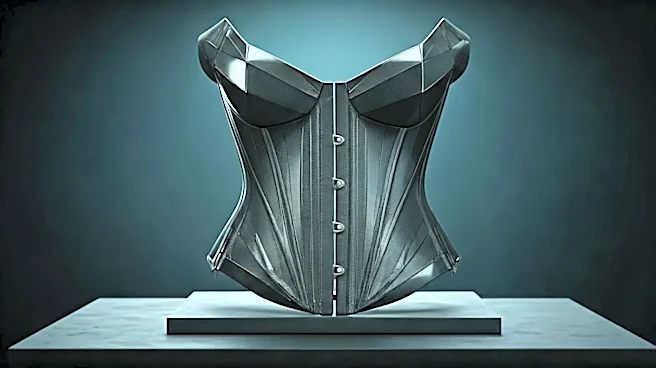
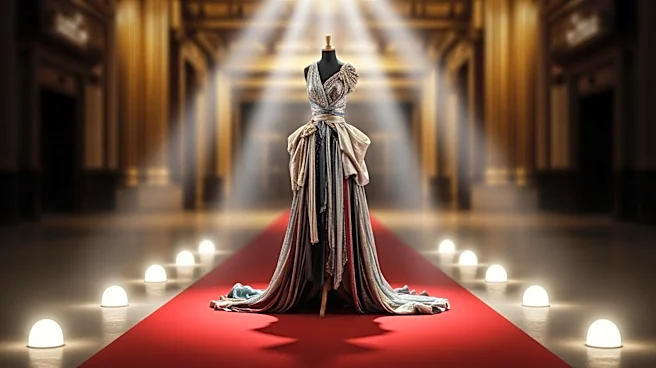
You couldn’t miss it. From Dove Cameron’s dramatic, padded-hip creation to Anitta’s surgically sharp Mugler look, structured bodices were the unofficial uniform for music’s biggest stars. These weren’t delicate pieces of lingerie hidden under gowns; they were the main event. Worn as outerwear, these modern corsets featured visible boning, architectural silhouettes, and a defiant sense of presence. The trend wasn't confined to a single style, either. It appeared in the form of deconstructed bustiers, full-on armored torsos, and elegantly integrated bodices, signaling a broad and intentional fashion movement. It was a visual declaration that after years of shapeless loungewear, the desire for definition has returned with a vengeance.
Not Your Ancestors’ Undergarment
When we hear
“corset,” our minds often jump to Victorian-era fainting couches and impossible beauty standards. For centuries, the corset was an undergarment designed to forcibly mold the female body into a socially acceptable—and often physically harmful—silhouette. But the 21st-century iteration seen on the AMAs red carpet is a different beast entirely. Today’s designers, like Thierry Mugler and Daniel Roseberry of Schiaparelli, have reclaimed the corset as a symbol of power, not oppression. They’ve moved it from underneath the clothes to the outside, turning a tool of concealment into a proud statement. The construction is celebrated, not hidden. The boning, once a secret framework, is now a graphic design element. This isn't about hiding a woman’s real shape, but about using architectural lines to celebrate it.
Fashion Armor for a Chaotic World
So, if it’s not about achieving a tiny waist, what is the appeal? The answer is in the headline: structure. In a world that feels increasingly unpredictable and fluid, structured clothing provides a psychological anchor. A well-constructed corset offers a sense of being held together, of being contained and powerful. It’s fashion armor. After the collective slouch of the pandemic, where boundaries between work and home, public and private, dissolved, putting on a piece of clothing with literal backbone is a powerful act. It’s a way of drawing a line around yourself and projecting an image of control and confidence. This physical sensation of support translates into an emotional one, making the wearer feel more poised, protected, and prepared to face the world—or in this case, a wall of paparazzi.
Redefining the Female Form
Ultimately, the modern corset is less about conforming to an ideal and more about constructing one for yourself. By externalizing the garment’s structure, stars and their stylists are playing with silhouette and subverting expectations. Instead of being used to shrink the body, today's corsets can be used to exaggerate it—creating powerful shoulders, impossibly angular hips, or a superhero-like torso. This isn’t about making the body smaller; it’s about making its presence bigger and more intentional. The focus shifts from the measurement of the waist to the artistry of the garment and the confidence of the person wearing it. It’s a tool for self-expression that uses the language of historical restriction to speak a new truth about strength and autonomy.