


The Unstoppable Commercial Juggernaut
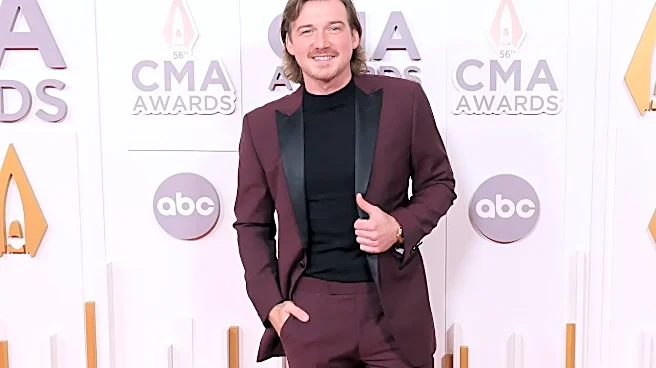
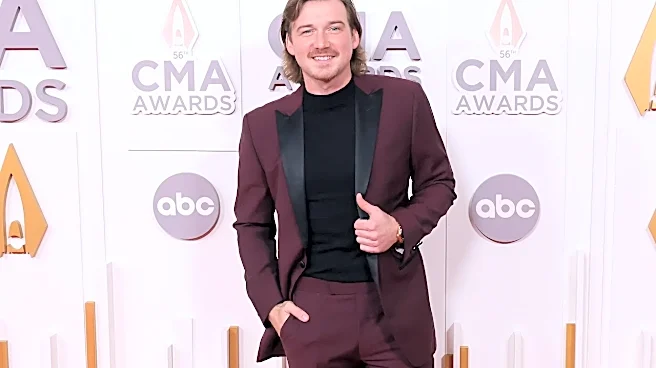
You can't argue with numbers, and right now, no one in music puts up bigger numbers than the titans of stadium country. Artists like Morgan Wallen and Luke Combs have become dominant commercial forces, shattering streaming records and selling out football
stadiums. This year's nominations reflected that reality, though not without controversy. Wallen, arguably the biggest star on the planet based on metrics, was shut out of all solo categories, receiving nods only for collaborations with Ella Langley and HARDY. This snub felt significant, pointing to a disconnect between the industry's peer-voted awards and what the mainstream public is consuming voraciously. While fans decried the decision, it underscores a fundamental question: Should the biggest awards simply reflect the biggest sales, or should they aim for something more?
The Rise of the Crossover Phenom
Then there's Ella Langley, the artist who defined 2026. Langley arrived at the CMAs with a staggering nine nominations, a feat that signaled her arrival as a true superstar. With her record-breaking hit 'Choosin' Texas', she managed to do what few can: dominate the charts while earning widespread critical respect. Her success isn't just about a catchy melody; it's rooted in sharp songwriting and an ability to connect with listeners on a personal level, blending classic country themes with a modern sensibility. Langley represents a potential middle ground, an artist who proves that immense popularity doesn't have to come at the expense of artistry. Her big night, which many predicted, shows that the industry is eager to crown a leader who can bridge the gap between the old guard and the new school.
The Outsiders and the Authenticity Debate
For years, a separate lane has been carved out by artists who operate outside the polished Nashville system. Figures like Zach Bryan, Tyler Childers, and Sturgill Simpson command fiercely loyal followings and are often lauded by critics for their raw, unflinching songwriting. Yet, they are frequently underrepresented, if not entirely absent, from major awards shows. Bryan has even publicly stated he does not wish to be considered for CMA awards, viewing the establishment as something he doesn't want to be a part of. This sentiment is echoed by a growing portion of the audience that feels the CMAs overlook the genre's more 'authentic' voices in favor of radio-friendly hits. The ongoing controversy around veteran artists like Sammy Kershaw allegedly being denied red carpet access only fuels the perception that the institution is out of touch with its roots.
So, What Are the Awards For?
This all leads to an identity crisis for Country Music's Biggest Night™. Are the CMAs meant to be a popularity contest, a coronation for the artists who sold the most tickets and topped the most charts? Or are they supposed to be a marker of artistic excellence, rewarding the craft of songwriting and storytelling, regardless of commercial performance? This year's host, Lainey Wilson—herself a two-time Entertainer of the Year winner who masterfully balances both worlds—embodies this very tension. The 2026 awards didn't provide a clear answer. Instead, they showed a genre pulling in multiple directions at once: toward global pop dominance, toward traditionalist storytelling, and toward a hybrid future. The friction between chart position and creative merit isn't a flaw; it's becoming the defining story of modern country music.