









More Than a Name, a Legacy
Why does a piece of jewelry from the French maison founded in 1847 command such authority? It begins with a reputation built on serving royalty and cultural icons for generations. This history isn't just trivia; it's the foundation of the brand's immense
equity. When you buy a Cartier piece, you're acquiring a slice of a legacy that has been synonymous with the pinnacle of luxury and craftsmanship. This long-standing prestige ensures that demand remains consistently high, insulating the pieces from the dramatic value drops that affect other luxury goods. It’s a level of brand security that few others can claim, making it a cornerstone of its investment appeal.
The Icons: Love, Tank, and Panthère
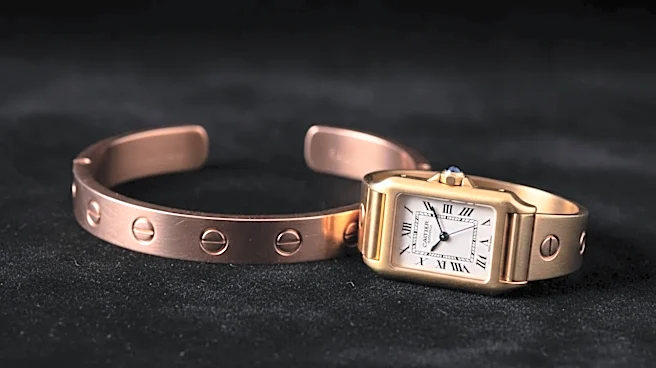
Certain designs transcend time, and Cartier is home to some of the most recognizable in the world. The Love bracelet, conceived in 1969, is so sought-after that it’s one of the most Googled jewelry pieces globally. Its genius lies in its story—a symbol of commitment locked onto the wrist. Similarly, the Tank watch, first designed in 1917, has been a staple for style icons from Jacqueline Kennedy Onassis to Princess Diana. These pieces, along with the fierce Panthère and the elegant Trinity, aren't just popular; they are cultural fixtures. Their timeless, unisex appeal ensures they never go out of style, which is a critical factor in their ability to retain, and often grow, their value.
The Power of Materials and Craft
Beyond the design, there's tangible, intrinsic value. Cartier overwhelmingly uses 18k gold or platinum for its most famous collections. This reliance on high-quality precious metals provides a built-in price floor. While brand perception is key, the sheer material worth of a Love bracelet or a Tank watch gives it a stability that items made of leather or less precious materials lack. This is coupled with meticulous craftsmanship that ensures durability. The maison also strategically controls supply, sometimes even buying back and destroying vintage pieces to prevent market saturation and maintain exclusivity, which further bolsters the value of the pieces in circulation.
Decoding the Resale Market
This is where the investment thesis truly shines. Unlike most luxury goods that lose a significant portion of their value the moment they leave the store, iconic Cartier pieces perform more like assets. The classic Love bracelet, for example, retains approximately 95% of its retail value on the secondary market. The Juste un Clou collection can retain up to 97%. Certain watches, like the Tank, can preserve anywhere from 75% to over 100% of their original retail price, with vintage models from the 1970s often trading for multiples of what they initially cost. This remarkable performance is due to a combination of regular price increases by Cartier, strong and liquid demand, and the enduring appeal of the designs.